
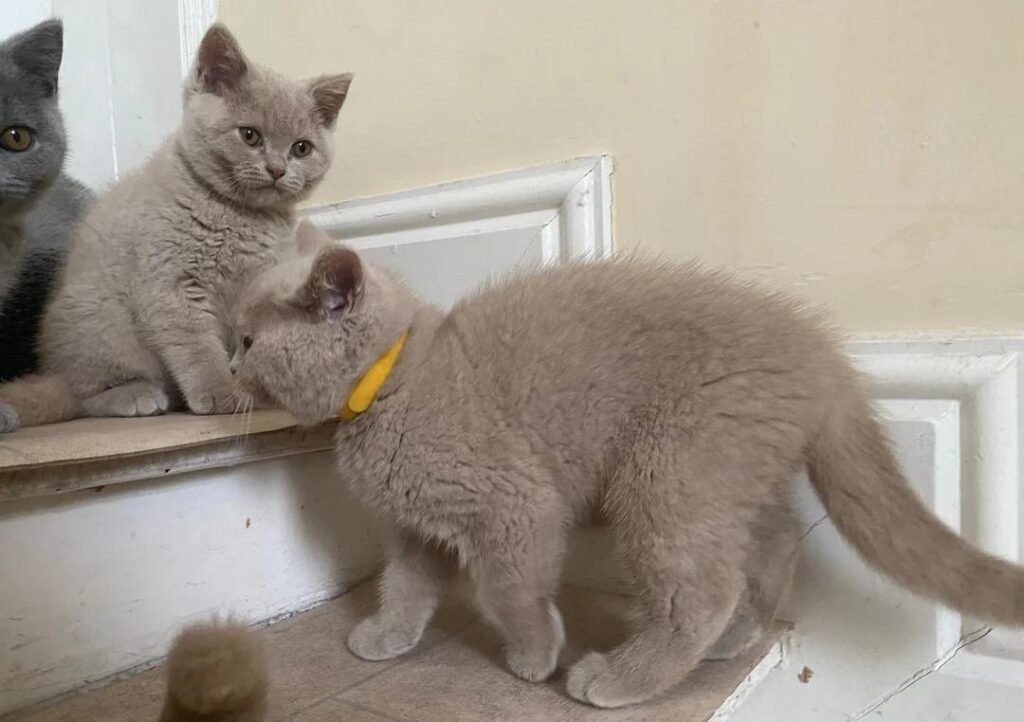
Bringing home a British Shorthair kitten can be an exciting and rewarding experience, but choosing the right one requires careful consideration. Known for their charming personalities, sturdy builds, and plush coats, British Shorthairs are a beloved breed among cat enthusiasts. However, purchasing a healthy kitten from a reputable source is crucial to ensure your new furry friend has the best start in life. This guide will walk you through the essential steps to find and select a healthy British Shorthair kitten locally, covering everything from understanding the breed to ensuring your home is ready for its newest member.
Understanding the British Shorthair Breed
History and Origin
The British Shorthair has a history as rich as a cream tea! These charming felines can trace their roots back to ancient Rome when they were brought to Britain to keep vermin at bay. Over the years, they’ve morphed from streetwise hunters to the cuddly companions we adore today. Their stocky build and plush coats make them a favorite in households, and they’ve even strutted their stuff at cat shows since the 19th century!
Physical Characteristics
British Shorthairs are like the teddy bears of the cat world—round faces, big, expressive eyes, and a sturdy build that just begs for a hug. Their short, dense fur comes in a variety of colors, but that classic blue (a.k.a. solid gray) will always have a special place in our hearts. With thick, muscular bodies and a broad chest, they’re built for both comfort and cuteness, making them the perfect lap warmer on a chilly night.
Temperament and Behavior
These cats are often described as laid-back and easygoing, akin to your favorite couch potato—but with the occasional burst of playful energy! British Shorthairs are known for being affectionate without being clingy, enjoying a good cuddle but also valuing their independence. They tend to get along well with children and other pets, making them fantastic family members. Just don’t be surprised if they give you the side-eye when you try to move them from their sunbeam!
Key Characteristics of a Healthy Kitten
Signs of a Healthy Kitten
When you’re on the hunt for a healthy British Shorthair kitten, there are a few signs you should keep an eye out for. Look for bright, clear eyes, a shiny coat (not a dull one that resembles a mop), and a playful demeanor. Healthy kittens will have a solid body weight and be full of energy. Trust your instincts—if the little fluffball seems alert and curious about the world, you’ve likely found a winner!
Common Health Issues
Like all breeds, British Shorthairs have their fair share of health quirks. One of the most common is hypertrophic cardiomyopathy (HCM), a heart condition that can affect their well-being. Other issues to watch for include obesity (they love their food, don’t we all?) and dental problems. Regular vet check-ups and keeping an eye on their diet will go a long way in ensuring they stay healthy and happy!
Vaccination and Health Records
Before bringing your new kitten home, ensure you get their vaccination records. Kittens should be vaccinated against common illnesses like feline leukemia and rabies. A responsible breeder will provide you with complete health records and should also be transparent about any health guarantees. These records will be your ticket to keeping your kitten healthy and avoiding any surprise vet visits—and we all know how much those can cost!
Where to Find Local Breeders
Researching Reputable Breeders
Finding a reputable breeder is like finding a needle in a haystack—if the needle were fluffy and adorable! Start by doing your homework—read reviews, visit breeder websites, and check out their affiliations with cat breeding associations. A good breeder will be happy to show you their kittens’ living conditions and offer you loads of information about the breed.
Online Resources and Directories
The internet is a treasure trove of information and a great place to find reputable breeders. Websites like The International Cat Association (TICA) or Cat Fanciers’ Association (CFA) have directories that can guide you in your quest. Just make sure to do your due diligence—cross-check contacts, read reviews, and maybe even join cat-related forums to gather insights from fellow feline enthusiasts.
Local Cat Shows and Events
Attending local cat shows and events can be a fun way to meet breeders and see British Shorthairs in person. Plus, it’s a great way to ask questions and learn more about the breed while being surrounded by like-minded cat lovers. You might even stumble upon a breeder showcasing their kittens, and let’s be honest, who wouldn’t want to cuddle a bunch of fluffy cuties?
Questions to Ask a Breeder
Breeding Practices and Ethics
When you meet a breeder, don’t be shy—ask them plenty of questions! Inquire about their breeding practices: how many litters do they have per year, and what steps do they take to ensure the health and happiness of their cats? A responsible breeder will prioritize the welfare of their animals and be happy to share their methods. If they hesitate or seem defensive, it might be time to give them the ol’ heave-ho.
Socialization and Environment
A kitten’s socialization is crucial for its development. Ask the breeder about how they socialize their kittens—do they expose them to different environments, people, and other pets? A well-socialized kitten will be more adaptable and less likely to develop behavioral issues. If you hear terms like “playtime with children” and “introductions to dogs,” you might have struck gold!
Health Guarantees and Contracts
Before you whisk any kitten home, make sure you discuss health guarantees and contracts. A reputable breeder should be willing to provide a written health guarantee that covers common issues for a certain period. This shows that they stand by their cats and are committed to ensuring you have a healthy companion. If a breeder doesn’t offer this, it’s a red flag—like finding that your pizza has pineapple on it when you ordered plain cheese!
Evaluating the Kitten’s Health and Behavior
Physical Examination Checklist
Before you decide to bring a fluffy bundle of joy home, you’ll want to ensure they’re in tip-top shape. Check the kitten’s eyes—clear and bright is the way to go. Ears should be clean, not brew-pub dirty. Look for a shiny coat, free from bald patches or excessive scratching. And don’t forget their little nose; it should be moist, not crusty. Finally, gently press on their belly—no hard lumps or abnormal swelling, please!
Behavioral Observations
A kitten with a little pizzazz is what you want! Observe how they react to your presence. Do they approach with curiosity or retreat like you’re the grim reaper? Playful behavior, like chasing a feather toy or pouncing on imaginary prey, indicates a healthy spirit. If they seem overly shy or lethargic, consider that a red flag. Keeping the energy up is key—unless they’re napping, which is done for a solid 75% of the day.
Interactions with Littermates
Watch how your potential new family member interacts with their littermates. Kittens that engage in play-fighting and grooming usually have good social skills and self-confidence. Look for playful nudges and gentle swats—that’s how they learn boundaries! If one kitten seems to shy away or gets constantly picked on, it might not be the right fit. You want a future feline that can hold their own at the family table.
Preparing Your Home for a New Kitten
Creating a Safe Space
Every kitten needs a cozy nook to call their own—think of it as their tiny kingdom. Designate a quiet corner with a comfy bed, litter box, and toys. Keep this space away from foot traffic and loud noises. Add a few scratching posts to defend their turf; those claws need a workout! This safe space will help them adjust, allowing them to explore at their own pace.
Essential Kitten-Proofing Tips
A curious kitten is like a tiny tornado—prepare for chaos! Hide electrical cords, remove breakables, and secure windows. Toss out any plants that could be toxic (goodbye, pretty but lethal lilies). Remember, anything left on a table is fair game for a pouncing kitten! Secure loose items and relocate anything you cherish to an inconveniently high shelf. You know, like that vase from your great-aunt Edna.
Introducing the Kitten to Your Home
Now for the big reveal! When you bring your kitten home, allow them to explore their new space without overwhelming them. Introduce them to one room at a time; think of it as a guided tour. Use treats and a calm voice to entice them out from hiding spots. Keep everything low-key on day one, so they don’t think you’re hosting a wild party. Allow them to come to you—when they’re ready, they’ll make their grand entrance, just like a star!
Essential Supplies and Nutrition
Must-Have Supplies
Before you welcome your new fluffball, you’ll need a shopping list. Essential supplies include a litter box, scratching post, food and water dishes, and, of course, a range of toys. Opt for a cozy bed—not too big, not too small, just right for diving in for a nap. Look for a carrier for vet visits and a brush to keep that fur silky smooth. Don’t forget the all-important ‘cat cave,’ a box where adventures are born!
Choosing the Right Food
Your kitten’s diet is vital for their growth and energy. Look for high-quality kitten food packed with protein and essential nutrients. Read the labels like a fine wine connoisseur—real meat should be the first ingredient. Consult your vet if you’re unsure about dry versus wet food or if your kitten has specific dietary needs (yes, they have opinions too). Just remember, “kitten” is different from “cat” when it comes to food!
Feeding Schedule and Portion Control
Kittens have small stomachs but big appetites (why is that?). Start with several small meals throughout the day—three to four should do the trick! Use measuring cups to avoid the temptation of free-feeding, which could turn your kitten into a fluffball quicker than you can say “I can’t resist that face!” Adjust portion sizes as they grow, and keep an eye on their weight. A healthy kitten can’t be a couch potato, after all!
The Importance of Regular Veterinary Care
Initial Vet Visit and Checkup
As soon as you adopt your kitten, schedule that first vet visit like it’s a hot date! This checkup is vital for ensuring your new fur friend is healthy and up-to-date on vaccinations. Ask the vet about their health history, any needed tests, and preventative measures. This is a relationship worth nurturing—just like any great romance, it’s best when both sides are committed!
Routine Vaccinations and Preventive Care
Keep your kitty protected from pesky pests and diseases with regular vaccinations. Flu shots for cats might not be common, but trust us; it’s a thing! Discuss a vaccination schedule with your vet, and make sure to follow it diligently. Preventive care, including flea treatments and spaying/neutering options, is also crucial for ensuring your furry friend lives a long, healthy life.
Monitoring Health and Behavior Changes
As you get to know your kitten, close attention to their behavior and health is essential. Changes in appetite, energy levels, or litter box habits can signal a problem. Cats are masters of disguise and often hide discomfort. Learning their usual quirks will make you a Sherlock Holmes of kitty health! If anything seems off, don’t hesitate to reach out to your vet—better safe than sorry. In conclusion, finding a healthy British Shorthair kitten is a journey that requires patience, research, and attention to detail. By understanding the breed, asking the right questions, and preparing your home, you can ensure a smooth transition for both you and your new companion. With the right care and love, your British Shorthair will bring joy and companionship for many years to come. Happy kitten hunting!
Frequently Asked Questions
What is the average price of a British Shorthair kitten?
The price of a British Shorthair kitten can vary widely depending on the breeder, location, and the kitten’s lineage. Typically, you can expect to pay between $1,000 to $2,500.
How can I tell if a breeder is reputable?
A reputable breeder will provide health guarantees, allow you to visit their breeding facility, show you the kitten’s health records, and answer your questions honestly. Look for reviews and testimonials from previous buyers as well.
What should I feed my British Shorthair kitten?
High-quality kitten food that is rich in protein and essential nutrients is recommended. Consult your veterinarian for specific dietary recommendations based on your kitten’s age and health needs.
Are British Shorthairs good with children and other pets?
Yes, British Shorthairs are generally known for their friendly and adaptable nature, making them good companions for children and other pets. However, early socialization is key to ensuring positive interactions.