
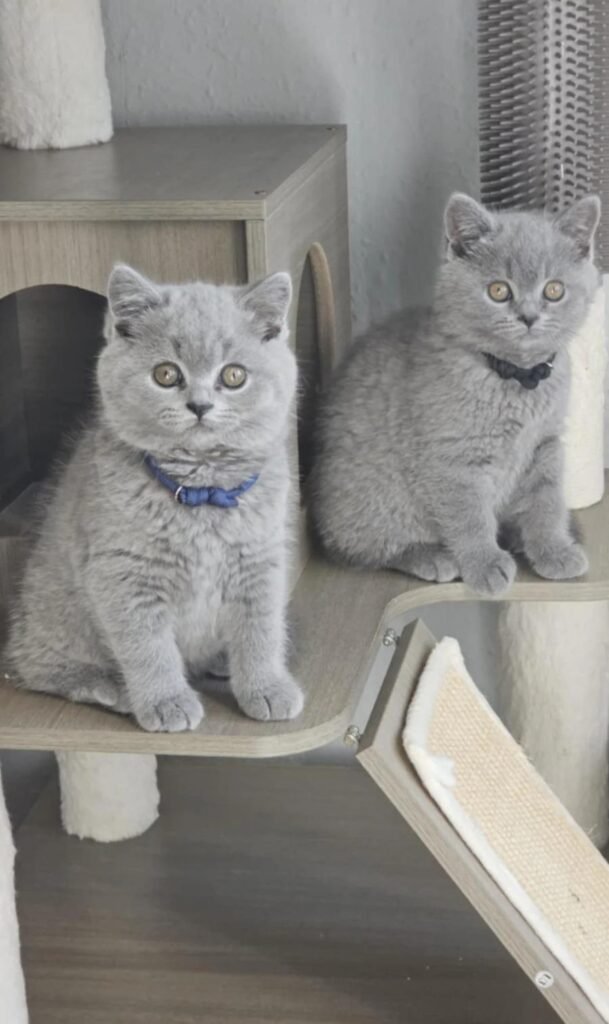
Are you ready to welcome a charming new addition to your family? The British Shorthair kittens, known for their striking appearance and affectionate nature, are capturing the hearts of pet lovers everywhere. With their plush coats, round faces, and easygoing personalities, these adorable felines make excellent companions. In this exclusive alert, we’ll explore the unique characteristics of British Shorthairs, guide you on how to find these rare kittens in your area, and provide essential tips for prospective owners. Whether you’re a first-time cat parent or a seasoned feline enthusiast, this article will help you navigate the exciting journey of bringing home a British Shorthair kitten.
The Allure of British Shorthair Kittens
History and Origin
The British Shorthair’s story is as rich as a good cup of Earl Grey. These cuddly companions trace their lineage back to the Roman Empire, where they were cherished for their rat-catching prowess. Over centuries, they’ve blended with local feline breeds, resulting in the plush, stocky cats we adore today. Despite their ancient roots, the British Shorthair has remained a favorite in the modern age—proudly strutting their stuff in homes around the globe.
Popular Traits and Unique Features
British Shorthairs are like that friend who shows up to the party with a delightful dessert and knows everyone’s name. They’re charming, easygoing, and known for their distinctively round faces and dense coats that feel like a warm hug. Their large, expressive eyes can range from copper to blue, and they often sport a strong build that screams, “I may be a kitty, but I’m also a tiny tank!” These traits make them instantly lovable and impossible to resist.
Why They Make Great Pets
If you’re looking for a feline friend who isn’t a drama queen, the British Shorthair is your go-to. Known for their adaptable nature, they fit seamlessly into various lifestyles, whether you’re a busy bee or a cozy couch potato. Their calm demeanor and affectionate personalities make them perfect for families, singles, and everyone in between. Plus, they’re independent enough to let you binge-watch your favorite show without constantly demanding attention—paws up for that!
Characteristics of British Shorthairs
Physical Appearance
These cats boast a look that could make even the toughest feline skeptics swoon. With their broad heads, chunky cheeks, and muscular bodies, British Shorthairs embody the term “adorably robust.” Their short, plush coats come in a variety of colors and patterns that make them even more eye-catching. Imagine a fluffy ball of cuteness walking around like it owns the place—that’s your British Shorthair.
Temperament and Behavior
British Shorthairs have temperaments as steady as a well-brewed cup of tea. They’re known for being gentle, friendly, and quite laid-back, making them ideal companions for kids and other pets. Their playful nature will keep you entertained, but they also have a knack for lounging around, reminding you that sometimes doing absolutely nothing is perfectly acceptable. Just don’t be surprised if your lap becomes their favorite throne!
Common Colorations and Patterns
When it comes to color, British Shorthairs are like a box of chocolates—you never really know which delightful surprise you’re going to get! The classic blue-gray is a staple, but they also come in striking shades like cream, black, and even a patterned tabby. They can flaunt solid coats, classic stripes, or a dapple of color that gives them an air of feline royalty. Whatever their hue, they’re sure to steal the spotlight.
Finding Rare Kittens in Your Area
Local Adoption Centers and Shelters
First things first: if you’re on the hunt for a British Shorthair kitten, local adoption centers and shelters are a great place to start. Many adorable furry friends are waiting for their forever homes, and some may just be the British Shorthair of your dreams. Don’t forget to check back regularly—those kittens don’t stay available for long!
Online Resources and Listings
The internet is a treasure trove of information and resources. Websites like Petfinder, Adopt-a-Pet, and local Facebook groups can keep you in the loop about available British Shorthair kittens in your area. Be vigilant; with a few clicks, you might just uncover the purrfect match. Just remember: the early bird (or cat lover) gets the kitten!
Networking with Other Cat Enthusiasts
Sometimes, it’s not what you know but who you know! Connecting with fellow cat enthusiasts can lead to precious leads on rare kittens. Join local cat clubs, attend pet fairs, or even participate in online forums dedicated to cats. Fellow aficionados often share their experiences and recommendations, making it easier to find that elusive British Shorthair kitten you’re so eager to welcome into your heart (and home).
Tips for Potential Owners
Choosing the Right Kitten
When it comes to selecting a British Shorthair kitten, consider the personality you desire. Are you looking for a playful bundle of energy, or a laid-back lap cuddler? It’s also wise to observe their interactions with fellow kittens and humans. Look for a little one whose charm captures your heart—trust your instinct; they’ll likely choose you right back!
Preparing Your Home
Before you bring your new kitten home, make sure your space is kitten-proofed. Hide cables, secure fragile items, and create a cozy corner filled with toys, a scratching post, and a comfy bed. The goal is to ensure your kitten feels safe and at home. Plus, stock up on essentials like food, litter, and a litter box—you’ll be the hero of your new furry friend’s world!
Understanding Their Needs
Every kitten comes with their own set of needs, and British Shorthairs are no exception. These affectionate furballs thrive on attention and companionship but also appreciate some alone time. Regular vet visits, a balanced diet, and mental stimulation through playtime and toys are essential for their well-being. So, get ready to be the best pet parent you can be—your British Shorthair will thank you with snuggles and purring!
Caring for Your British Shorthair
Feeding and Nutrition
Feeding your British Shorthair is all about balance. These plush little loafs require a diet rich in protein to maintain their hefty, yet adorable figure. High-quality dry or wet food is key, preferably one formulated for their age and size. Be cautious with treats, as those big, round eyes can be quite persuasive! Aim for two meals a day to keep their metabolism in check and avoid turning your kitty into a snuggly, sleepy ball.
Grooming and Maintenance
With their dense, plush coat, British Shorthairs might seem like they need extensive grooming, but fear not! A good brush once a week will keep their fur looking fabulous and reduce shedding. Regularly checking their ears, teeth, and nails will also ensure they stay healthy and dapper. If their purrs are a little louder during grooming, don’t worry; it’s just their way of saying, “You’re doing great, keep it up!”
Training and Socialization
British Shorthairs are like the cool kids in school—they prefer to be involved in everything but don’t need to be the center of attention. Start training early to instill good manners, and be patient; they can be a bit stubborn (just like anyone who’s ever been asked to put away their toys). Use positive reinforcement and socialization techniques to help them feel comfortable with new experiences, whether that’s meeting new humans or playing with a vacuum cleaner. Yes, that’s a thing!
Health Considerations and Veterinary Care
Common Health Issues
While British Shorthairs are generally robust little creatures, they can be prone to certain health issues, like hypertrophic cardiomyopathy (an adorable-sounding but serious heart condition) and obesity (because, let’s face it, who doesn’t love a good snack?). Regular check-ups can help catch any potential problems before they become, well, a “cat-astrophe.”
Routine Check-ups and Vaccinations
Just like we humans need our annual check-ups, your furry friend should see the vet regularly for vaccinations and health screenings. This will help ensure your British Shorthair stays in tip-top shape and free from pesky parasites. Remember, prevention is better than cure, so keep that cat carrier handy!
Signs of Illness to Watch For
Pay attention to your British Shorthair’s behavior—if they suddenly decide that chasing their favorite toy isn’t for them or they’re using the litter box more than usual, it could be a sign that something’s up. Other red flags include changes in appetite, excessive grooming, or unusual vocalizations (beyond the typical “feed me” meows). Being a vigilant kitty parent will keep your feline family member happy and healthy.
Connecting with Responsible Breeders
Identifying Reputable Breeders
Finding a reputable breeder is like searching for a needle in a haystack—except the needle is a fluffy ball of cuteness, and the haystack is full of questionable practices. Look for breeders who prioritize the health and temperament of their cats, provide health clearances, and welcome visits to meet the kittens’ parents. Good breeders are proud to show off their work—no shady dealings here!
Questions to Ask When Choosing a Breeder
When you find a potential breeder, don’t be shy! Ask them about their breeding practices, health screenings, and how they socialize their kittens. Inquire about the parents and their temperaments—after all, you want a little buddy who’s as charming as they are cuddly. A good breeder will gladly discuss their cats’ lineage and share tips on caring for your future furball.
Understanding the Adoption Process
The adoption journey can feel overwhelming, but it doesn’t have to be! Make sure you get a clear understanding of the costs involved, what paperwork is needed, and how long it typically takes to bring your new British Shorthair home. Some breeders may even have a “kitten contract” to ensure that both parties are committed to providing a loving environment for the little one. Trust the process—your purr-fect companion is worth the wait!
Conclusion: Bringing Home Your New Companion
Embracing Life with a British Shorthair
Congratulations! You’re about to embark on a journey filled with adorable antics and endless cuddles. Embrace the quirks of your British Shorthair and allow their unique personality to shine. Whether they’re sprawled out like a fluffy pancake or demanding your attention by your side, every moment is sure to be a delight.
Building a Lasting Bond
Building a lasting bond with your new British Shorthair means spending time together—play, cuddle, and talk to them (yes, even if it feels a bit one-sided). Create a nurturing environment that fosters trust, and soon you’ll find your kitty will be your loyal companion. Remember, a little patience and love go a long way in turning your new fur friend into a cherished family member. Now, go ahead, get that kitten, and start the adventure! In conclusion, bringing a British Shorthair kitten into your home can be a rewarding and joyful experience. Their unique charm and loving nature make them a wonderful addition to any family. By understanding their needs, connecting with responsible breeders, and preparing your home for their arrival, you can ensure a happy and fulfilling life with your new feline friend. Embrace the love and companionship that a British Shorthair can offer, and enjoy the delightful journey ahead!
FAQ
1. What is the average price of a British Shorthair kitten?
The average price of a British Shorthair kitten can range from $1,200 to $3,000, depending on factors such as breeder reputation, lineage, and geographical location.
2. Are British Shorthairs good with children and other pets?
Yes, British Shorthairs are known for their gentle and calm demeanor, making them great companions for children and other pets. They tend to be friendly and social, adapting well to various family dynamics.
3. How much grooming do British Shorthair cats require?
British Shorthairs have dense coats that require regular grooming, ideally once a week, to minimize shedding and prevent matting. During seasonal changes, more frequent grooming may be necessary.
4. Are British Shorthairs prone to any specific health issues?
While generally healthy, British Shorthairs can be predisposed to certain health issues, such as hypertrophic cardiomyopathy (HCM) and obesity. Regular veterinary check-ups and a balanced diet can help mitigate these risks.