
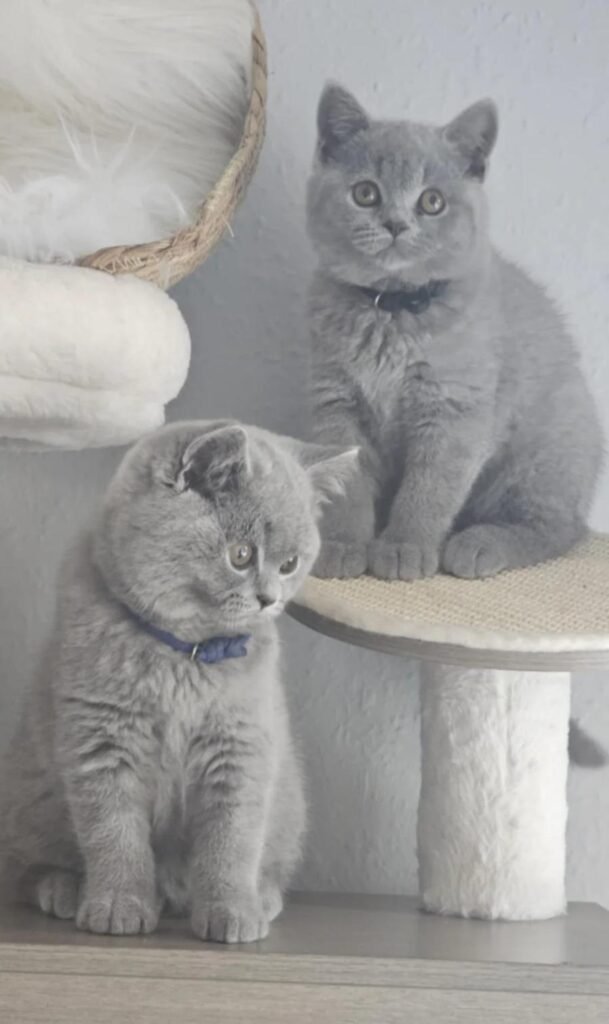
Buying a British Shorthair can be an exciting endeavor for cat enthusiasts, but understanding the factors that influence their price is crucial for potential owners. Known for their distinctive appearance, charming personality, and gentle demeanor, British Shorthairs are among the most sought-after feline companions. However, the price of these cats can vary significantly based on a range of elements, including breeding practices, health guarantees, and geographic location. This article explores the key factors that contribute to the pricing of British Shorthairs, helping prospective buyers make informed decisions as they embark on their journey to welcome one of these adorable cats into their home.
Overview of British Shorthairs
British Shorthairs are basically the cool cats of the feline world. With their round faces, chubby cheeks, and plush fur, they look like living teddy bears that have magically developed a love for napping in sunbeams. These cats come in a variety of colors and patterns, but the classic blue-gray coat is arguably their most iconic look. They also possess a sturdy, muscular build that makes them resemble little furry tanks, which is just another reason to adore them.
Physical Characteristics
British Shorthairs are a feast for the eyes—or at least, a delicious snack! They typically sport a dense, plush coat that feels like a cloud, along with large, round eyes that often come in shades of copper or gold. Their chunky, rounded bodies are complemented by short, thick legs and a tail that’s as round at the base as it is at the tip. Think of them as the cats who skip leg day yet still manage to look fabulous—no gym required!
Temperament and Personality Traits
Known for their calm and easygoing nature, British Shorthairs are the life of the party—if the party involves lounging on the couch and swapping naps. They’re affectionate without being clingy, making them the perfect companion for both introverts and extroverts alike. These felines are often described as good-natured and adaptable, which means they can handle anything from a busy family home to a quiet apartment. Just don’t expect them to chase after laser pointers all day; they prefer to observe the chaos from the comfort of their chosen sun spot.
Factors Affecting the Price of British Shorthairs
When it comes to the price tag on a British Shorthair, it’s a bit of a mixed bag. Think of it as buying a fancy cup of coffee: you can go for an instant brew or splurge on a handcrafted artisanal blend. Several key factors influence how much you’ll shell out for your new feline friend, from market demand to the intricacies of breeding practices.
Market Demand and Popularity
British Shorthairs are like the celebrities of the cat world—everyone wants one! Their undeniable charm and plush appearance have skyrocketed their popularity, which in turn drives up their price. Just like the latest smartphone, if everyone’s clamoring for it, expect to pay a premium. If you’re thinking of snagging one of these furry fashion icons, keep an eye on the current trends—because the more popular they are, the more you’ll likely be forking over for your future cuddle buddy.
Breeding Practices and Standards
Not all breeders are created equal, and this is where things can get a bit dicey. Responsible breeding practices that prioritize health and temperament can significantly increase the price of British Shorthairs. Breeders who invest in quality genetics, health screening, and a nurturing environment tend to charge more for their kittens. While you could find a bargain basement kitty, remember that a lower price might come with hidden costs. Choose wisely—your future feline deserves the best!
Breeder Reputation and Experience
When it comes to purchasing a British Shorthair, finding a reputable breeder is key. Think of them as the cat equivalent of a fine dining restaurant—do your research to ensure you’re not ending up in a catnip diner instead. A good breeder not only produces healthy and well-socialized kittens but also builds a solid reputation in the cat community. A little legwork here can save you a lot of heartache later.
How to Identify a Responsible Breeder
Look for breeders who are transparent about their practices and can provide health clearances for their kittens. They should happily introduce you to the kitten’s parents and show off their living conditions—clean, comfortable, and filled with toys. A responsible breeder will also have a contract and a return policy in case things don’t work out (because, let’s be honest, things happen). If they’re evasive or pushy, it might be best to take your cat-loving heart elsewhere.
Questions to Ask Potential Breeders
When interviewing potential breeders, don’t be shy! Ask about their breeding practices, health testing, and the socialization efforts they make with their kittens. Get the scoop on the kitten’s personality and any potential health issues specific to the breed that you should know about. Also, inquire about their support after the sale; a good breeder will be willing to help you navigate any cat-related dilemmas that may arise. Plus, it never hurts to ask about their favorite snacks—cats, after all, have a discerning palate!
Pedigree and Bloodline Significance
In the world of British Shorthairs, pedigree is not just a fancy term; it’s a significant aspect that can heavily impact the price of your future feline. Think of it as the cat’s CV—showing off where they came from and what they’re made of. Higher pedigree cats often come with a higher price tag, but they also bring a sense of assurance regarding health and temperament.
Understanding Pedigree Documentation
Pedigree documentation is like a family reunion for cats, showcasing their lineage and proving their ancestry. When you buy a British Shorthair, a pedigree certificate will outline the kitty’s family tree and may even highlight any show champions or notable ancestors. This documentation is crucial; it acts as a badge of honor for the cat and tells you a lot about their genetic background. Just be sure to examine it closely—because a little piece of paper can carry quite the weight when it comes to pricing.
The Impact of Champion Bloodlines on Price
If your potential British Shorthair has champion bloodlines, get ready to open your wallet a bit wider. Cats with prestigious ancestors often command higher prices due to their desirable traits and the breeder’s investment in their lineage. Think of it as the equivalent of paying extra for a VIP ticket to a concert—sure, you might be spending a bit more, but the show is guaranteed to be spectacular! Just remember that while champion bloodlines can bring some benefits, a good cat is a good cat, no matter their ancestry.
Health Guarantees and Vaccination Records
Common Health Issues in British Shorthairs
British Shorthairs are generally robust, but they aren’t invincible. They can be prone to certain hereditary conditions, such as hypertrophic cardiomyopathy (HCM), a fancy term for a heart issue that can lead to serious complications. Additionally, they may experience joint problems or obesity if their diet is unmonitored (I mean, who doesn’t enjoy a good snack?). When considering a purchase, it’s crucial to ask breeders about health guarantees and the genetic history of the kittens. After all, you want your future feline friend to be as healthy as they are fluffy!
Importance of Vaccination and Health Checks
Vaccination is like insurance for your cat’s health; essential but often overlooked. Ensuring your British Shorthair is up-to-date on vaccinations can protect them from common viruses and health issues. A reputable breeder should provide you with a vaccination record, which is invaluable for keeping track of those shots. Regular health checks are also key. The last thing you want is to bring home a ball of fur who’s got a hidden health issue waiting to surprise you like a cat on a hot tin roof!
Geographic Location and Market Trends
Variations in Pricing Across Regions
Just like real estate, the price of British Shorthairs can vary wildly depending on where you’re looking. In urban areas, prices may skyrocket due to the demand for cute companions in high-density living situations. Conversely, in rural areas, you might stumble upon a more budget-friendly feline. Keep in mind that prices can also fluctuate depending on the cost of living in the region. So, whether you’re in London or Luton, do a little price comparison before making a decision—because even your cat deserves a good deal!
Impact of Local Demand on Prices
When it comes to pets, popularity can drive prices up faster than a British Shorthair can chase a laser pointer. In regions where British Shorthairs are particularly coveted, you might find those adorable furballs come with a hefty price tag. Local trends, including breed popularity and cultural preferences, can also influence demand. If British Shorthairs are all the rage in your neighborhood, be prepared to pay a premium. Or embrace your inner hipster and opt for a less trendy breed—it could save you a pretty penny!
Kitten Age and Availability
Optimal Age for Bringing Home a Kitten
The ideal time to bring home a British Shorthair kitten is usually around 12 weeks of age. By this age, they’ve had enough time with their mother and littermates, learning the all-important skills of pouncing and how to ignore their human. Buying too young can lead to behavioral issues down the line, as they may miss out on vital socialization. Plus, older kittens often come with a slightly lower price tag, giving you a little extra cash for those cat toys they’ll just ignore!
Effects of Seasonal Breeding on Availability
British Shorthairs tend to be seasonal breeders, meaning you might find more kittens available in the spring and early summer. This seasonal influx can lead to a drop in prices, as breeders might have more stock to sell. However, if you’re looking to adopt during the off-season, you might face longer wait times and potentially higher prices. So, if you’re set on a fluffy companion, plan accordingly—or prepare to bribe friends with baked goods for a tip on an upcoming litter!
Additional Costs of Ownership
Initial Setup Costs: Supplies and Equipment
When it comes to welcoming a British Shorthair into your home, the expenses start piling up faster than cat hair on your favorite sweater. Initial setup costs can include essentials like a litter box, scratching post, cozy bed, and an assortment of enticing toys (because you’ll need to entertain the adorably lazy overlord). Don’t forget about food and water bowls, as well as perhaps a fancy cat tree that makes your home look like a feline palace. Budgeting for these costs upfront will save you from a surprise cat-astrophe later!
Ongoing Expenses: Food, Health Care, and Grooming
After the initial setup, the costs of maintaining your British Shorthair won’t exactly be negligible. Quality food is essential to keep your kitty healthy and looking sharp, though it might feel like you’re feeding a tiny, furry astronaut with the amount some brands cost! Regular vet visits for check-ups and vaccinations are a must, along with grooming supplies to keep that plush coat looking majestic. Factor in the occasional “treat yo’ self” purchases for toys and you’ll find that the love and laughter they bring is well worth it—but your wallet may disagree!In conclusion, purchasing a British Shorthair involves more than just selecting a cute kitten; it requires careful consideration of various factors that influence their price..
Frequently Asked Questions
What is the average price range for a British Shorthair?
The average price for a British Shorthair can vary widely, typically ranging from $1,000 to $2,500, depending on factors like pedigree and breeder reputation.
Are British Shorthairs prone to any specific health issues?
Yes, British Shorthairs can be prone to certain health issues, such as hypertrophic cardiomyopathy (HCM) and obesity, which emphasizes the importance of obtaining health guarantees from breeders.
How can I find a reputable breeder for a British Shorthair?
To find a reputable breeder, research online, read reviews, ask for recommendations from veterinarians or local cat clubs, and ensure the breeder is transparent about their breeding practices and health screenings.
What additional costs should I consider when owning a British Shorthair?
In addition to the initial purchase price, consider ongoing costs such as high-quality food, regular veterinary check-ups, grooming, and supplies like litter boxes, toys, and scratching posts.