
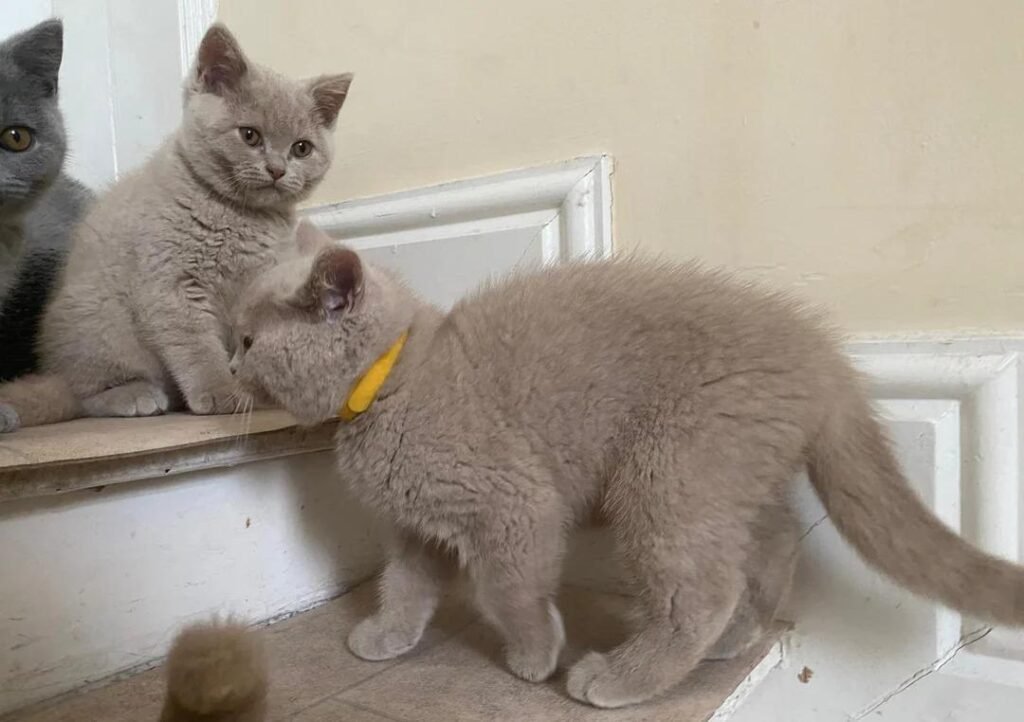
Bringing a British Shorthair kitten into your home can be a rewarding experience, filled with joy and companionship. Known for their charming personalities and striking appearance, these kittens have become a favorite among cat enthusiasts. However, the journey to adopting a British Shorthair goes beyond simply selecting a pretty face; it involves understanding the breed’s unique traits, preparing your home, and ensuring that you are ready for the responsibilities of pet ownership. In this article, we will reveal essential secrets to successfully adopt a British Shorthair kitten, covering everything from where to find your perfect match to long-term care strategies, ensuring you and your new furry friend embark on a happy, fulfilling journey together.
Understanding the British Shorthair Breed
History and Origins
The British Shorthair is like the quintessential British gentleman of the cat world—sturdy, dignified, and with a hint of mystery. They trace their roots back to Roman times, when they roamed freely, helping to keep vermin at bay. Over the centuries, this breed went through various phases of popularity, but it wasn’t until the late 19th century that they began to steal the show at cat shows, thanks to their round faces and plush coats. Think of them as the stars of the feline world—always in vogue and never going out of style!
Common Color Patterns
British Shorthairs come in a rainbow of colors, but they’re perhaps best known for their stunning blue-gray coat. However, don’t let that fool you—these kitties sport a vibrant palette that includes everything from creamy reds to deep blacks, stripes, spots, and even color points. Each hue adds its own charm, making every kitten a unique masterpiece. Just remember, if you’re looking for a kitty to match your interior décor, the British Shorthair has you covered (and may even end up being the best accessory you never knew you needed).
Temperament and Personality Traits
Imagine a cat that could easily be both your companion and your personal security guard—meet the British Shorthair! These felines are known for their easygoing nature and confident demeanor. They’re affectionate but not overly needy, making them excellent companions for those who appreciate a bit of independence. While they enjoy cuddling sessions and playtime, they also know how to entertain themselves—probably plotting world domination… or at least a cozy spot on your lap.
Key Characteristics of British Shorthair Kittens
Physical Features
British Shorthair kittens are adorable little fluff balls with chunky cheeks and round heads that make you want to squish them! Their bodies are stocky and muscular, with a plush double coat that feels like a cloud. Their large, round eyes—ranging from copper to blue—are the perfect windows to their inquisitive souls. Plus, those short, thick legs? They’re built for stability, not speed—so don’t expect your kitten to win any races, but they’ll definitely win your heart.
Growth and Development Stages
As your British Shorthair kitten grows, you’ll witness quite the transformation! They start as tiny furballs that fit in the palm of your hand, but soon they’re tumbling around your living room, causing adorable chaos. The first few months are jam-packed with milestones, from discovering their paws to mastering the art of the pounce. Typically, they reach their full size around 3 to 5 years—so savor every fleeting moment of those kitten antics because soon enough, they’ll be hefty lap rulers!
Common Health Issues
While British Shorthairs are generally a healthy breed, they come with a few quirks that might require some extra attention. Common health concerns include hypertrophic cardiomyopathy (HCM), which affects heart muscle, and obesity (just like their human counterparts!). Regular vet check-ups can help catch any issues early—after all, we want our furry overlords to live long, happy lives filled with naps and tuna treats. Keep an eye on their diet and ensure they get enough playtime to stay fit and fabulous.
The Adoption Process: Where to Find Your Kitten
Reputable Breeders vs. Shelters
The choice between adopting from a reputable breeder or a shelter can be a tough one, much like choosing between tea or coffee. Reputable breeders often have specific breeding practices and can provide kittens that meet breed standards, but shelters are overflowing with lovable cats (and sometimes purebreds!). Each option has its pros and cons, so consider what matters most to you: a specific lineage or saving a life. Spoiler alert: you can’t go wrong with either choice, as long as you do your homework first!
Questions to Ask Before Adopting
Before you whisk away your new furball, arm yourself with questions! Inquire about the kitten’s health history, socialization practices, and any special needs they might have. Ask about the parents’ temperament to gauge what your future cuddle buddy might be like. Don’t forget to ask about their favorite toys—this is crucial information for your future playdates! The right questions can save you from future surprises and help ensure you’re adopting the right kitten for your lifestyle.
Understanding Adoption Fees
Ah, the dreaded adoption fees—those little financial hurdles that come with expanding your furry family! While fees can vary widely ($50 at a shelter to several hundred from a breeder), they typically cover essential costs like vaccinations and spaying/neutering. Think of it as an investment in your new best friend’s well-being. Plus, it’s a small price to pay for the endless joy and snuggles that come your way. Just make sure your wallet is ready for some major kitty love!
Assessing Health and Temperament Before Adoption
Signs of a Healthy Kitten
Before bringing home your British Shorthair, perform a little health check! Look for bright, clear eyes, a shiny coat, and a playful demeanor. A healthy kitten should be energetic and curious, not lethargic or hiding in corners—unless they’re plotting their next nap spot! Also, check for good appetite and firm stools. If you’re unsure, ask the shelter or breeder about any medical records; it’s always better to be safe than sorry.
Behavioral Assessments
Observing a kitten’s behavior can be quite revealing. Look for playful antics—after all, you want a lively companion, not a secret agent who’s too stealthy for your liking! Interact with the kitten to see how they respond to you and their environment. A friendly, curious kitten that’s ready to engage is usually a good sign. If they’re distant or overly skittish, they might need a little more socialization before finding their forever home.
Importance of Vaccinations and Check-ups
When it comes to your British Shorthair’s health, vaccinations and regular vet check-ups are non-negotiable. Vaccinations protect against illnesses that can affect even the fluffiest of felines, while check-ups help catch any potential health issues early on. Think of it as a way to ensure your kitty remains in top-notch condition so they can terrorize your home (the fun kind of terror, of course) for years to come. Trust us, your future self—and your kitten—will thank you!
Preparing Your Home for a British Shorthair Kitten
Creating a Safe Environment
Before you bring home your fluffy bundle of joy, it’s essential to ensure your home is a safe haven. Start by removing any hazardous items—think cables, small objects, and anything that looks like it could be a chew toy (especially your favorite pairs of shoes). Cover electrical outlets and secure heavy furniture that could topple over. Remember, you’re not just welcoming a kitten; you’re inviting in a tiny tornado of curiosity!
Kitten-Proofing Your Space
Kitten-proofing is an art worthy of a Picasso. Begin by tucking away delicate items and breakables, and consider using child-proof locks on cabinets that house cleaning supplies. Plants can be sneaky offenders, too—some are toxic to cats, so make sure your indoor jungle is safe for your new feline friend. Lastly, ensure windows and balconies are secure because even the most pampered kitten might fancy themselves an aerialist!
Designating a Comfortable Area
Every kitten needs a cozy corner to call their own. Set up a designated space filled with a soft bed, blankets, and a few toys. This spot will serve as their sanctuary when the world feels overwhelming (read: when the vacuum cleaner comes out). Add a scratching post nearby to help them stretch their little paws and keep those claws in check. Your British Shorthair will love having their very own chill zone!
Essential Supplies for New Kitten Owners
Food and Water Bowls
Investing in sturdy, non-tip food and water bowls is a must—especially if you have a particularly rambunctious little furball. Look for easy-to-clean options, ideally ceramic or stainless steel, to avoid any chemicals found in plastic. Remember, hydration is key! Cats can be picky drinkers, so consider adding a cat fountain for a splash of fun. Meow-velous hydration awaits!
Litter Box and Supplies
A litter box is to a kitten what a throne is to royalty—a necessary establishment! Opt for a large, low-entry box that’s easy for your British Shorthair to access. Use clumping, unscented litter for the ultimate comfort and easier clean-up. Remember, cleanliness is next to cat-liness; scoop daily to keep the royal bathroom in tip-top shape!
Toys and Enrichment Activities
Kittens thrive on playtime and mental stimulation. Stock up on a variety of toys, from feather wands to crinkly balls. Rotate the toys regularly to keep things exciting—kittens can get bored faster than a toddler with a broken toy. Additionally, consider puzzle feeders to challenge their minds and slow down their eating. Your British Shorthair will thank you with snuggles and purrs!
Tips for Bonding with Your New Kitten
Understanding Kitten Body Language
Understanding your kitten’s unique body language is crucial. Watch for the classic slow blink—this is their way of saying, “You’re my favorite human!” Perk up your kitty radar for tail positions (a raised tail is a confident kitty), and ear angles (forward-facing ears mean they’re curious). It’s like learning a new language—just with more purring!
Interactive Play and Engagement
Interactive play is a must! Spend some quality time with your kitten playing with toys that mimic prey, like feather wands or laser pointers. These activities not only keep them entertained but also help you build a solid bond. Plus, who doesn’t love a good game that involves a little cardio for both you and your kitten? It’s a win-win situation!
Establishing Routines
Kittens thrive on routine, so set a schedule for feeding, playtime, and litter box cleaning. This predictability helps them feel secure in their new environment. Soon, you’ll have a purring partner who knows when it’s time for dinner and when to expect plenty of cuddles. Establishing routines may be helpful for you too—who wouldn’t want a mini life coach in their corner?
Long-term Care and Maintenance of British Shorthairs
Nutrition and Dietary Needs
Feeding your British Shorthair a balanced diet is essential for their well-being. Look for high-quality cat food that lists meat as the first ingredient, and adjust their portions based on their age and activity level. Remember, a healthy kitty is a happy kitty! Consider consulting your vet for personalized dietary recommendations because nobody wants a chubby tabby on their hands.
Regular Veterinary Care
Regular vet visits are a must for keeping your feline friend healthy. Schedule vaccinations, spaying/neutering, and routine check-ups to catch any potential health issues before they escalate. Think of your vet as your cat’s personal trainer—helping them stay fit and fabulous! Plus, those little wellness visits often come with treats—everyone loves a good bribe!
Grooming and Coat Maintenance
British Shorthairs sport a dense, plush coat that deserves pampering. Regular brushing keeps their fur looking fabulous and reduces shedding. Plus, it’s a great way to bond with your kitty while also making them feel like royalty. Just remember, a little grooming goes a long way—pro tip: start this habit early to get them used to it, or you may end up with a kitten who thinks grooming is a new form of torture!Adopting a British Shorthair kitten is a delightful journey that comes with its own set of responsibilities and joys. By understanding the breed’s characteristics, preparing your home, and following the adoption tips outlined in this article, you can create a loving environment for your new companion. Remember that patience and commitment are key to building a strong bond with your kitten. With the right approach, you’ll be well on your way to enjoying the unique charm and companionship that only a British Shorthair can provide.
Frequently Asked Questions
What is the average lifespan of a British Shorthair kitten?
The average lifespan of a British Shorthair is typically between 12 to 20 years, depending on genetics, health care, and living conditions.
How do I groom a British Shorthair kitten?
British Shorthairs have a dense coat that requires regular brushing, ideally once a week, to reduce shedding and prevent matting. Additionally, routine nail trimming and ear cleaning are important for overall grooming.
Are British Shorthair kittens good with children and other pets?
Yes, British Shorthair kittens are generally known for their friendly and adaptable nature, making them a good choice for families with children and other pets. Proper socialization from a young age can help them adjust well to different environments.
What type of diet is best for a British Shorthair kitten?
A high-quality, balanced diet formulated for kittens is essential for their growth and development. Look for foods rich in protein and essential nutrients, and consult your veterinarian for specific recommendations based on your kitten’s needs.