
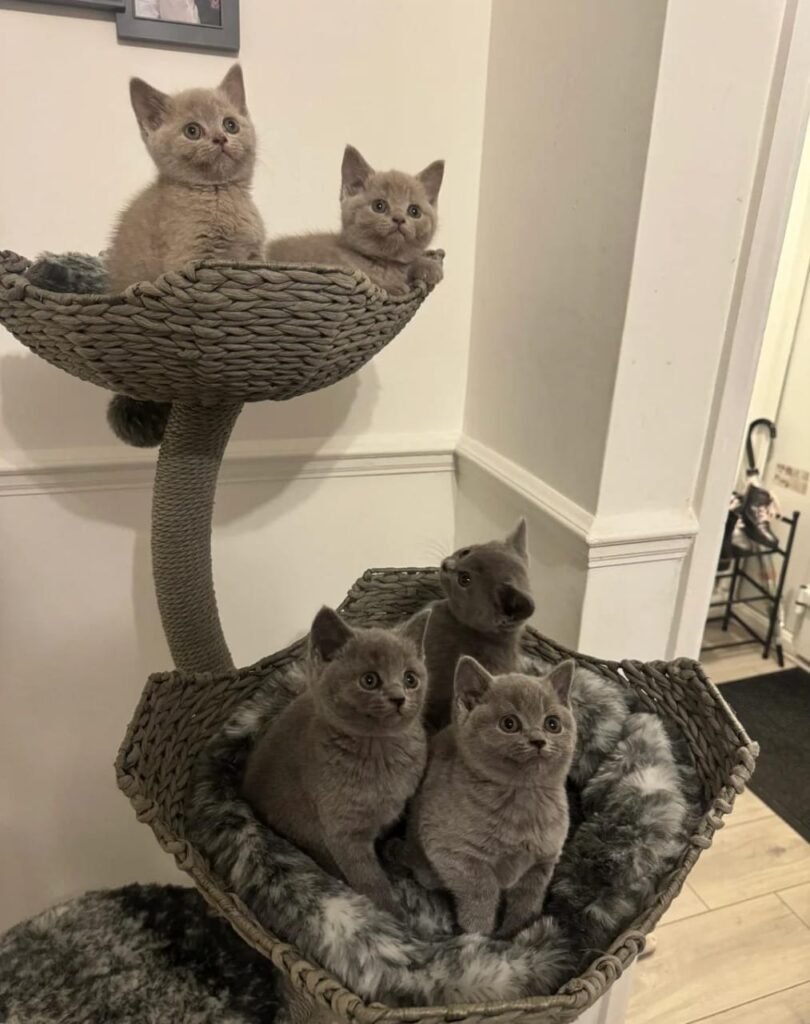
When considering the purchase of a British Shorthair kitten, prospective buyers often find themselves navigating a wide range of prices that can vary significantly based on several factors. Understanding what influences these costs is essential for making an informed decision. From the kitten’s pedigree and the breeder’s reputation to health certifications and regional demand, each element plays a crucial role in determining the final price. This article delves into the top five factors influencing British Shorthair kitten prices, providing insights to help you find the perfect furry companion while staying within your budget.
1. Breed Popularity and Demand
1.1 Historical Context of the British Shorthair
The British Shorthair isn’t just another pretty face—this breed has a rich history dating back to ancient Rome, where they were prized for their mouse-catching prowess. Fast forward to modern times, and these chubby-cheeked charmers have catapulted to fame (thank you, internet memes!) and become a beloved choice for pet parents. With their plush coats and round, expressive faces, it’s no wonder they’ve clawed their way into hearts—and homes—across the UK and beyond. When demand spikes, so do their prices, which can leave potential owners scratching their heads.
1.2 Current Trends in Pet Ownership
In recent years, the world has seen a furry revolution, with more people opting for pets to combat loneliness and add a little joy to their lives (and their Instagram feeds). The British Shorthair has risen to the occasion, thanks to its laid-back demeanor and cuddle-ready physique. With more people working from home, the demand for these wonderful companions has surged, leading to an uptick in prices that make potential kitten parents exclaim, “Is that a cat or the latest luxury handbag?”
2. Pedigree and Bloodline Quality
2.1 Understanding Pedigree Registration
When navigating the world of British Shorthairs, understanding pedigree is as crucial as reading the ingredients on your favorite snack. A pedigree certificate denotes that your kitten comes from a line that meets specific breed standards—think of it as an honor roll for cats. Kittens from registered breeders often fetch higher prices than their non-registered counterparts because their bloodlines ensure certain physical characteristics and temperaments. A feline family tree that looks like an aristocratic affair can put a serious dent in your wallet.
2.2 The Impact of Genetic Lineage on Pricing
Genetic lineage is the cat equivalent of a family’s financial portfolio. If a kitten comes from a line with a history of winning cat shows or has parents with squeaky-clean health records, you can expect to pay a premium. It’s like adopting a celebrity child, where your British Shorthair’s legacy becomes a prized asset. Just think of it: owning a kitten with top-notch lineage could mean you might get a mini feline superstar, which is bound to make any kitty parent feel like royalty.
3. Health Certifications and Vaccinations
3.1 Importance of Health Checks and Certifications
A healthy kitten is a happy kitten, and it’s essential to ensure your British Shorthair is in tip-top shape before it officially moves in. Health checks and certifications can be the difference between a lifetime of purring and a pocketful of vet bills. Reputable breeders will provide proof of vaccination and health clearances, which contribute to the overall price of the kitten. Think of it as paying for peace of mind—because nobody wants to adopt a kitty with hidden health issues that pop up like surprise guests at a party.
3.2 Common Health Issues in British Shorthairs
While British Shorthairs are generally robust, they have their share of potential health hiccups—think heart disease and hip dysplasia, among others. This is another reason why ensuring health certifications are part of your kitten’s purchase is vital. If you’re looking at price tags and weighing your options, remember: investing in a healthy kitten now can save you a fortune in medical costs later on. Plus, who wouldn’t want a little ball of fluff that can leap onto the kitchen counter without any major joint drama?
4. Breeder Reputation and Experience
4.1 What to Look for in a Reputable Breeder
Choosing a reputable breeder is like picking a partner—you want someone who is trustworthy, knowledgeable, and has a little bit of a pedigree themselves! Look for breeders who are transparent about their practices, provide health certifications, and are active in the cat community. A good breeder will also be happy to answer all your questions (bonus points if they share adorable kitten videos)! Just remember: if it feels sketchy, it probably is, so trust your gut.
4.2 The Role of Experience in Pricing
Experience matters, especially when it comes to breeding British Shorthairs. Seasoned breeders know the ins and outs of the breed, from genetics to temperament, and their expertise often comes with a price tag. An established breeder who has nurtured show-winning cats may charge more than a newbie down the street. However, investing in a seasoned expert can lead to better quality kittens and a smoother adoption process, making all the dollars spent feel like money well spent. After all, would you rather pay a little more for a kitten or roll the dice with a bad apple?
5. Geographic Location and Market Trends
5.1 Regional Price Variations
When it comes to British Shorthair kitten prices, location can be everything. Just like real estate, the price you pay can vary dramatically depending on where you’re buying. In major cities like London or Manchester, you might need to hand over a small fortune (or maybe just a kidney) for a purebred kitten. These urban areas often have higher demand and fewer breeders, driving prices up. Conversely, if you’re in the countryside or a less populated area, you might snag a kitten at a more reasonable price. So, if you’re willing to travel for love… and a furry friend, your wallet might just thank you.
5.2 The Impact of Local Demand on Prices
Just like the latest smartphone or that trendy avocado toast, demand can send prices soaring. If everyone and their grandma suddenly wants a British Shorthair, you can bet the price is going to trend upwards. Regions with a high concentration of cat lovers or established breeding communities often see inflated prices. On the flip side, if a kitten suddenly falls out of favor (maybe because a new breed has taken over Instagram), you might find prices dipping. Staying informed about local trends can help you time your purchase just right—like waiting for the perfect sales event, but cuter!
6. Age and Physical Characteristics
6.1 How Age Affects Pricing
Age is more than just a number when it comes to pets! Kittens are typically a bit pricier than their adult counterparts because of their irresistible cuteness and playful antics. Younger kittens (usually under six months) can cost a premium, as everyone wants that little ball of fluff to mold into their perfect companion. As they grow older and become more “cat-like” in their independent ways, prices often decrease. So, if you’re not averse to a little bit of sass and a few less cuddly moments, you might consider adopting an older British Shorthair for a more budget-friendly option.
6.2 Desired Traits and Their Impact on Cost
Just like some people prefer dark chocolate while others swear by vanilla, potential cat parents have their own preferences. Traits such as eye color, coat pattern, and even a kitten’s size can significantly affect the price tag. Those eye-catching blue eyes? Pricey! A rare coat color? Expect to shell out some extra cash. Breeders often charge more for those “fancy” features, treating them like the designer outfits of the cat world. If you’re flexible on looks, you may find that perfect match for your heart (and your budget) among the more “common” kittens.
7. Additional Costs and Considerations
7.1 Initial Setup Costs for New Owners
So, you’ve decided to welcome a British Shorthair into your home—kudos to you! But wait! Before you start buying all the adorable toys and the fanciest cat tree, let’s talk about those initial setup costs. You’ll need to budget for essentials like a litter box, food and water dishes, high-quality cat food, a scratching post, and all those fun toys. Don’t forget the vet visits, vaccinations, and spaying or neutering. Yeah, it’s quite the checklist! Remember, this isn’t just a purchase; it’s the beginning of a lifelong relationship… with a lot of fluffy cuteness.
7.2 Long-term Financial Commitment to Pet Care
Owning a kitten is a bit like buying a house: you think you know the costs, but there are always surprise expenses lurking around the corner! Beyond the initial setup, you’ll need to factor in long-term costs like food, vet check-ups, grooming, and even pet insurance (because, let’s face it, those little furballs can be surprisingly high maintenance). Make sure to plan for unexpected expenses, like that time Mr. Whiskers jumped off the couch and needed a trip to the vet. Owning a British Shorthair is an incredible joy, but it’s also a financial commitment that lasts their whole life—so be sure your budget is ready for it.
Frequently Asked Questions
What is the average price range for a British Shorthair kitten?
The average price for a British Shorthair kitten can range from £800 to £2,500, depending on factors such as pedigree, breeder reputation, and geographic location.
How can I ensure that I am buying from a reputable breeder?
To ensure you are buying from a reputable breeder, research their background, ask for references, visit their facility, and check for health certifications for the kittens.
Are there any additional costs associated with owning a British Shorthair kitten?
Yes, in addition to the initial purchase price, consider ongoing costs such as food, grooming, veterinary care, and supplies like litter and toys.
Do British Shorthair kittens require special health care?
While British Shorthair kittens do not require special health care beyond regular vaccinations and check-ups, it is essential to monitor for common breed-specific health issues and provide routine care.