
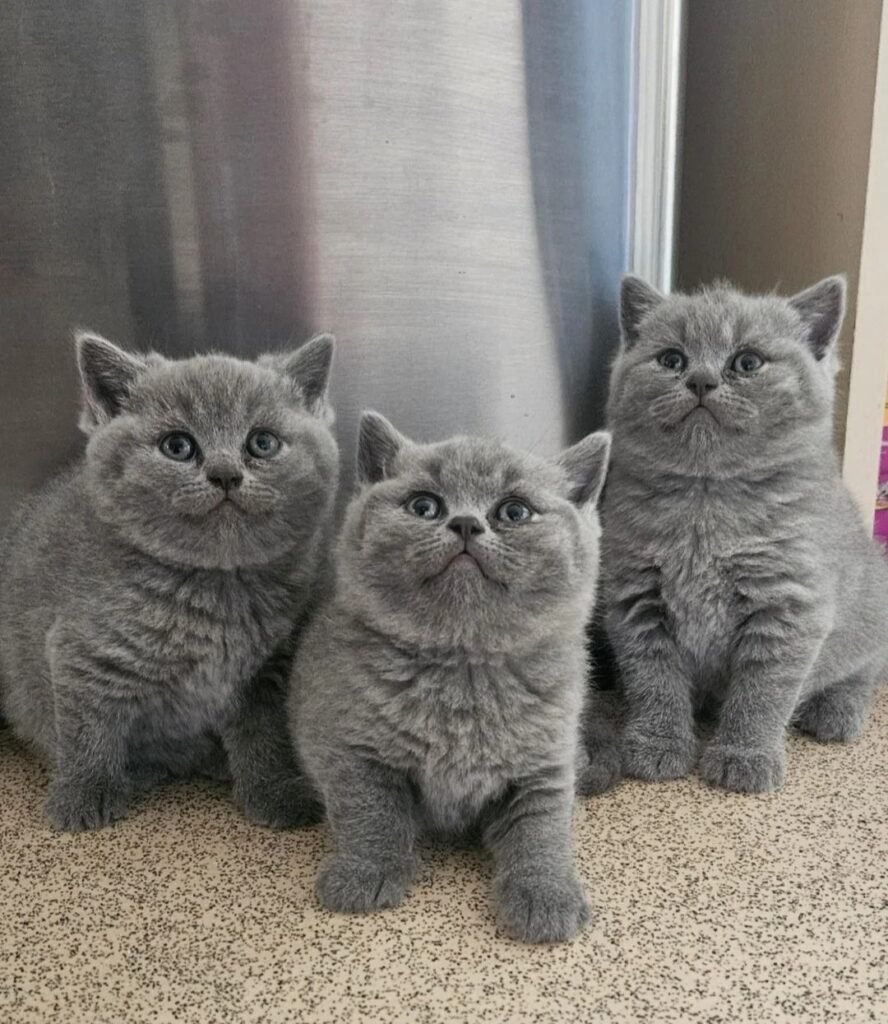
Owning a British Shorthair kitten can be an incredibly rewarding experience, characterized by their charming personalities and striking appearance. However, potential owners must consider the true cost associated with bringing one of these beloved cats into their home. Beyond the initial purchase price, various ongoing expenses can significantly impact your budget over time. From food and supplies to veterinary care and grooming, understanding these costs is essential for ensuring a happy and healthy life for your new furry friend. This article delves into the various financial aspects of owning a British Shorthair kitten, providing a comprehensive overview to help you make an informed decision.
Understanding the British Shorthair Breed
History and Characteristics
The British Shorthair is like the hipster of the cat world—cool, collected, and casually stylish. This breed’s roots trace back to the Roman invasion of Britain, where they were bred for their hunting prowess. With their round faces, dense coats, and those iconic big, copper eyes, they could easily be mistaken for a feline version of a teddy bear. They come in a variety of colors, but let’s be honest—everyone loves the classic blue-grey. These cats are sturdy and powerful, built like a little tank, which only adds to their endearing charm.
Temperament and Behavior
British Shorthairs are the laid-back friends you’d want at a party—certainly not the life of the party, but always a delightful presence. They’re known for their calm and easy-going temperament, often described as loyal and affectionate. They can be independent, which means they won’t cling to you like a shadow (perfect if you’re trying to binge-watch your favorite show in peace). They do enjoy playtime, though, which usually involves stalking a toy mouse or engaging in a swift game of laser pointer chase. Just remember, these cats are often a bit stubborn, so don’t expect them to jump at your command (or jump at all, unless there’s food involved).
Initial Purchase Price of a British Shorthair Kitten
Reputable Breeders vs. Pet Stores
When it comes to choosing where to get your British Shorthair, the age-old adage holds true: you get what you pay for. Reputable breeders may charge a pretty penny, often ranging from $1,500 to $3,000, but you’re also getting a healthy, well-bred kitten with a pedigree that could rival a Hollywood star. Pet stores, on the other hand, typically offer lower prices, but you may end up with a kitten that has hidden health issues. So, unless you enjoy finding unexpected surprises (and not the fun kind), it’s usually best to side with the breeders who invest in their cats’ health and happiness.
Factors Influencing Price
Several factors influence the initial price tag attached to your British Shorthair. The kitten’s lineage is a biggie; show-quality cats with champion parents will typically cost more—because, let’s face it, who wouldn’t want a cat that’s basically the Brad Pitt of felines? Additionally, location matters; urban areas might have higher prices due to demand. Age and color patterns can also sway prices—rare colors can turn into rare dollars. And let’s not forget about that charming bundle of fluff’s gender; females may cost more because they can contribute to that lucrative breeding business later on.
Ongoing Costs: Food, Supplies, and Grooming
Types of Food and Nutritional Needs
Feeding your British Shorthair isn’t just tossing a few kibble nuggets into a bowl and calling it a day. These cats are like the food critics of the feline world—they know what they like, and they won’t settle for less. Quality cat food is essential, ideally high in protein to support their strong muscles and healthy weight. Expect to shell out around $30-$50 a month for good quality food. And let’s not overlook treats—after all, a well-fed cat is a happy cat, and a happy cat is less likely to stage a protest by knocking over your favorite lamp.
Essential Supplies: Litter, Beds, and Toys
You’ll need to stock up on essentials that can add up quicker than a cat can bat at a ball of yarn. Think litter, which can cost about $20 a month, alongside a cozy bed (because who doesn’t want their kitty lounging in style?). Don’t forget toys; whether it’s a feathery wand or a laser pointer, expect to spend around $15-$50 initially and then a bit more over time as toys mysteriously disappear under the couch. Let’s not forget about scratching posts—saving your furniture from destruction is priceless, after all!
Grooming Requirements and Costs
Despite their plush coats, British Shorthairs are relatively low-maintenance when it comes to grooming. A good brush once a week should suffice to keep their fur glorious and free of mats. You might spend about $15-$30 a month on grooming supplies, but if you’re feeling fancy, you could always treat your fur baby to the occasional spa day at a pet grooming salon! Just don’t expect them to emerge looking like a purring diva—they’ll probably just resume their normal cat shenanigans as if nothing happened.
Veterinary Care: Vaccinations, Check-ups, and Insurance
Routine Veterinary Visits
Let’s talk about the not-so-fun part of cat ownership: vet visits. Annual check-ups are essential for keeping your British Shorthair healthy and happy, and they usually cost between $100-$300, depending on your location and the vet’s fees. This is a time for vaccinations, health checks, and ensuring your little furball doesn’t have any hidden ailments (because that would be just too easy, right?).
Preventative Care and Vaccination Costs
Vaccinations are crucial for your British Shorthair’s health, typically costing about $75-$125 per visit. Expect to pay for a feline distemper shot, rabies vaccines, and possibly a few others, depending on local requirements. This might sound steep, but consider it the price for a healthy kitty that won’t turn into a fluffy little germ factory.
Pet Insurance: Is It Worth It?
Pet insurance can be a bit like that mysterious ingredient in your grandma’s secret recipe—could be great, could be a waste of money. If you’re the cautious type, getting pet insurance might save you some serious dough in case of unexpected medical emergencies, which can reach thousands of dollars. Plans can range from $20 to $60 monthly, so do your research and find one that fits your budget and offers decent coverage. Just remember, whether or not you get insurance, your British Shorthair will definitely require some financial TLC!
Training and Socialization Expenses
Basics of Training a British Shorthair
Training a British Shorthair is less about teaching them to fetch your slippers and more about instilling good manners and socialization skills. These cats are known for their laid-back personalities, which means they might need a nudge to get moving when it comes to learning tricks. Start with basic commands and litter box training. Given their solid and somewhat stubborn demeanor, patience is key. Luckily, British Shorthairs are generally intelligent and can catch on with some persistence and the occasional treat (because who can resist a snack?).
Costs of Professional Training Services
If your training efforts are hitting a brick wall faster than your kitty can knock off a vase, you might consider professional training services. Group classes typically range from $100 to $300, depending on where you live and how many sessions you sign up for. One-on-one sessions can be pricier, sometimes costing upwards of $100 per hour. Just remember, a well-trained cat is less likely to turn your house into a feline demolition site—so it might be worth the investment!
The Impact of Lifestyle on Ownership Costs
Living Arrangements and Space Considerations
When it comes to housing your furry friend, space is a critical factor. If you live in a cozy apartment, you might be okay with a small scratching post and a couple of toys. However, if you have the royal estate—complete with sunlit windows and ample playroom—expect to invest in more enrichment items to keep them entertained. Also, consider the costs of pet deposits or increased rent if you’re renting. Those adorable fluffy faces have a way of making landlords more forgiving… at a price!
Travel and Pet Care Solutions
Planning a getaway? A British Shorthair can’t just tag along in your suitcase (trust me, they won’t appreciate being stuck in the overhead bin). You’ll need to budget for pet care when you travel, which can include hiring a pet sitter, boarding, or finding a tech-savvy friend willing to cat sit. Each option has its own costs, with boarding fees ranging from $25 to $50 a night. Be sure to plan ahead to avoid last-minute scrambles—your cat deserves a vacation, too, even if it’s just lounging on your couch!
Hidden Costs: Unexpected Expenses and Emergencies
Health Issues Common to British Shorthairs
As adorable as they are, British Shorthairs are prone to some health issues, including obesity, heart disease, and respiratory problems, thanks to their squished faces. Regular vet visits, vaccinations, and preventative care can rack up costs—averaging anywhere from $100 to $300 annually, not including any unexpected health hiccups. Just think of it like insurance for those cute little faces: it’s an investment in their health and your sanity.
Emergency Situations and How to Prepare
Accidents happen—whether it’s a catnip-induced tumble off the bookshelf or a sudden illness. Setting aside an emergency fund of at least $1,000 is a smart move to cover unexpected veterinary bills. Also, consider purchasing pet insurance for additional peace of mind; premium rates can vary but expect to shell out around $20 to $50 a month. Being prepared for a surprise vet trip means you can focus on keeping your British Shorthair comfortable and cared for without breaking the bank.
Long-Term Financial Commitment of Cat Ownership
Estimating Total Cost Over the Lifetime
Owning a British Shorthair is like buying a ticket to a lifelong show of furry antics—but that ticket isn’t free. Over the course of their lifespan (which can be 12 to 20 years), the total cost of ownership can reach upwards of $12,000 to $15,000. This includes food, litter, vet visits, training, and the occasional impulse buy of the latest fancy cat toy. Calculate this in your budget, and you won’t be blindsided by your new furry roommate’s expenses!
Planning for Future Expenses
Long-term ownership means planning for future expenses, too. As your British Shorthair ages, their healthcare needs may increase, potentially leading to higher vet bills, specialized diets, and medications. Setting aside a little each month can help cushion those future financial blows. Whether it’s a special treat or a rainy-day fund for unexpected bills, a bit of foresight will ensure your kitty’s golden years are as comfortable as their cozy cat bed.In conclusion, while owning a British Shorthair kitten can bring immense joy and companionship, it is crucial to be aware of the financial responsibilities that come with it. By considering the initial purchase price, ongoing costs, and potential hidden expenses, you can better prepare yourself for the long-term commitment of cat ownership. With careful planning and budgeting, you can ensure that your British Shorthair enjoys a happy, healthy life in your home, making the investment truly worthwhile.
FAQ
1. How much should I expect to pay for a British Shorthair kitten?
The price for a British Shorthair kitten typically ranges from $1,500 to $3,000, depending on the breeder’s reputation, lineage, and location.
2. What are the typical ongoing expenses for a British Shorthair?
Ongoing expenses for a British Shorthair include food, litter, grooming supplies, veterinary care, and pet insurance, which can collectively add up to several hundred dollars annually.
3. Are British Shorthairs prone to any specific health issues?
Yes, British Shorthairs can be prone to certain health issues, such as obesity, heart disease, and dental problems, which may require additional veterinary care and expenses.
4. Is pet insurance recommended for a British Shorthair kitten?
Pet insurance can be beneficial for a British Shorthair, as it helps cover unexpected veterinary costs and emergencies, providing peace of mind for owners.