
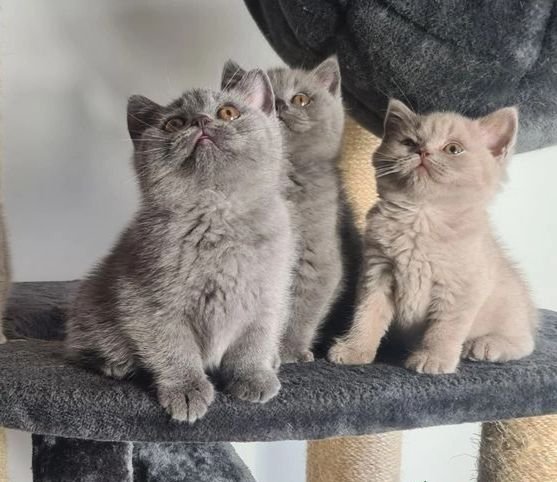
The British Shorthair, with its round face, plush coat, and captivating blue eyes, has quickly become a favorite among American cat enthusiasts. Known for their gentle demeanor and playful spirit, these charming felines bring a unique blend of companionship and stability to households across the United States. As more families seek the perfect pet, the British Shorthair’s endearing qualities are melting hearts and inspiring a wave of admiration. This article explores the reasons behind their surging popularity, unique characteristics, and the joys of welcoming a British Shorthair into your home.
The Allure of the British Shorthair: A Brief Overview
Origins and History of the Breed
The British Shorthair has a history as rich as a well-brewed cup of tea. Originating in Britain during the Roman conquest, these cats were once the furry companions of working-class folks and even served as mouse catchers on farms. Their sturdy build and calm demeanor made them favorites among the elite, and over centuries, they’ve morphed into the quintessential British feline, with a lineage that traces back to the good old days of Victorian cat shows.
Distinctive Characteristics
What sets the British Shorthair apart from the feline crowd? For starters, they sport that iconic round face and chubby cheeks, which could melt even the coldest of hearts. Their dense, plush coat feels like a fluffy cloud (seriously, you’ll want to hug them all day). Plus, with their large, round eyes that seem to hold all the secrets of the universe, it’s a wonder anyone resists their charm. Let’s just say, their unique features have turned them into the poster kitties of “I woke up like this” perfection.
Unique Physical Traits that Captivate
Coat Colors and Patterns
British Shorthairs boast a rainbow of coat colors that would make any paint store jealous. From classic blues to warm creams and even playful tabbies, their fur can come in a stunning array of shades. What’s more, many of them flaunt mesmerizing patterns, from solid colors to the striking “tipped” look that twinkles under the sunlight. These cats are basically little feline fashionistas, always dressed to impress!
Body Structure and Size
These kitties are like the bodybuilders of the cat world, featuring a muscular build, broad shoulders, and a sturdy frame. They typically weigh anywhere from 9 to 18 pounds, but let’s be honest, it’s all muscle (and maybe a little fluff). Their round paws and thick necks make them perfect for cuddling, and you might just find yourself challenged to lift one of these hefty cuddle buddies off your lap!
Sweet Temperament: The Personality Behind the Paws
Playful Yet Laid-Back Nature
While they exhibit an air of royal elegance, British Shorthairs have hearts full of playful mischief. Think of them as the wise, serene friends who also know how to throw an epic game of chase-the-string. They love to play, but they also know when to kick back and nap (usually right on your keyboard while you’re trying to work). They’re the perfect blend of fun and relaxation; you’ll never want to leave the couch again.
Social Behavior with Humans and Other Pets
These cats are known for their easygoing nature. They’re not overly demanding, but they do enjoy companionship and will happily curl up next to you or follow you from room to room (because, obviously, they need to supervise your daily activities). They generally get along with other pets, too, making them the ultimate peacekeepers of the household. Who wouldn’t want a kitty that brings everyone together for a cozy cuddle fest?
The Growing Popularity in the U.S. Pet Market
Statistics on British Shorthair Adoption
In recent years, the British Shorthair has seen a boom in popularity across the U.S. According to pet adoption statistics, these cats are in high demand. Shelters and breeders report a substantial increase in inquiries, with adoption rates climbing faster than a cat can scale a tree. They’ve gone from being the charming sidekick of a British novel to the star of American living rooms!
Influence of Social Media and Celebrities
Let’s face it: social media has turned these fluffy darlings into true influencers. From Instagram to TikTok, British Shorthairs are flaunting their purrfect selves, capturing the hearts (and likes) of millions. Celebrities are also hopping on the furry bandwagon, showcasing their own British Shorthairs and giving them the star treatment. It’s no wonder everyone wants one—when your feed is filled with those adorable faces, who can resist?
Caring for Your British Shorthair: Essential Tips
Diet and Nutrition Needs
British Shorthairs might look like little furry bulldogs, but they need a diet that’s anything but bulky! Focus on high-quality dry cat food that lists meat as the first ingredient. These laid-back kitties can be prone to obesity, so portion control is crucial—think of it as an ongoing battle against the fluff. Treats are fine in moderation, but remember, they’re not just looking for snacks; they want your love too!
Grooming and Health Care
With their plush coats, British Shorthairs look like walking teddy bears, but that also means they need regular grooming. A good brush once a week will keep their fur sleek and reduce shedding—less fur on your clothes means more room for cat snuggles! Regular veterinary check-ups are essential too—these cats can sometimes have unique health needs, so being proactive can help keep your furry friend healthy and happy well into their golden years.
Comparing British Shorthairs to Other Breeds
British Shorthair vs. American Shorthair
While both breeds share a common ancestor and are equally adorable, British Shorthairs are like the aristocrats of the cat world, exuding a calm and dignified demeanor. In contrast, American Shorthairs are the playful party animals, ready to chase a feather toy at a moment’s notice. If you’re looking for a steadfast companion who will be your furry zen master, the British Shorthair might just be your perfect match.
Why Choose a British Shorthair Over Other Breeds?
Choosing a British Shorthair isn’t just about wanting a cute cat; it’s about adding a companion that blends seamlessly into your lifestyle. These cats are known for their easy-going nature, making them ideal for families and individuals alike. They’re less prone to the “zoomies” at 2 AM and more inclined to curl up on your lap while you binge-watch your latest guilty pleasure. With their striking looks and lovely personalities, they’re hard to resist!
Real Stories: American Families and Their British Shorthairs
Heartwarming Adoption Stories
Who doesn’t love a good rescue story? Meet Sarah, who adopted her British Shorthair, Mr. Whiskers, during a particularly gray winter. Now, they’re inseparable—he’s even taken to wearing tiny bow ties for family Zoom calls! Another family, the Parkers, found their British Shorthair, Bella, wandering their neighborhood. After a quick trip to the vet, Bella moved in and now rules the roost, ensuring that no laps are left unoccupied and nobody eats without her approval.
Life with a British Shorthair: Family Experiences
The Johnsons’ lives transformed dramatically after adopting their British Shorthair, Oliver. Initially looking for a laid-back pet, they quickly discovered Oliver’s penchant for joining the kids in everything from homework sessions to lazy Sunday movie marathons. As it turns out, having a British Shorthair means there’s never a dull moment—there’s always a fuzzy face reminding you to take a break and enjoy the simple pleasures of life.
The Future of the British Shorthair in America
Trends in Breeding Practices
The breed is enjoying a renaissance of sorts in American households, leading to new and exciting breeding practices. More breeders are focusing on health and temperament, ensuring that each kitten grows up to be the quintessential British Shorthair: sociable, robust, and irresistibly cuddly. Innovations in breeding also mean more colors and patterns are emerging, so soon enough, you might find a British Shorthair in every shade of the rainbow!
Potential Challenges and Opportunities Ahead
While demand for British Shorthairs is on the rise, it brings challenges too. Keeping up with ethical breeding practices is essential to maintain the breed’s health. Responsible breeders need to prioritize cat welfare over profit, which can be tough in a market that’s increasingly obsessed with Instagrammable pets. However, as more pet owners become educated about breed-specific needs and the importance of adoption, there’s a great opportunity for rescue organizations to shine as they help these lovely cats find their forever homes.
Frequently Asked Questions
1. What is the average lifespan of a British Shorthair cat?
The average lifespan of a British Shorthair cat is typically between 12 to 20 years, depending on genetics, diet, and overall care.
2. Are British Shorthairs good with children and other pets?
Yes, British Shorthairs are known for their calm and gentle nature, making them great companions for children and other pets. They tend to be sociable and adapt well to family environments.
3. How much grooming does a British Shorthair require?
British Shorthairs have a dense coat that benefits from regular grooming. Weekly brushing is usually sufficient to remove loose hair and minimize shedding, especially during seasonal changes.
4. What should I feed my British Shorthair for optimal health?
A balanced diet of high-quality cat food that meets their nutritional needs is essential. Look for options specifically formulated for their age and health requirements, and consult with your veterinarian for personalized recommendations.