
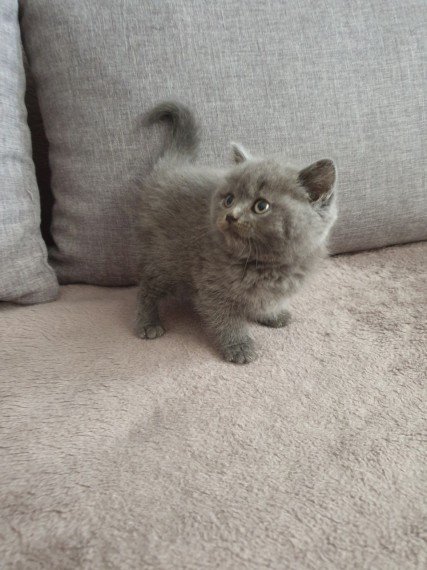
Bringing a British Shorthair kitten into your home can be an incredibly rewarding experience, as these charming felines are known for their affectionate nature and distinctive appearance. However, caring for a kitten requires knowledge and preparation to ensure they grow into healthy, happy adults. This beginner’s guide will provide you with essential information on understanding the breed, necessary supplies, nutrition, health care, socialization, and more, equipping you with the tools to give your new furry friend the best possible start in life. Whether you’re a first-time cat owner or looking to expand your feline family, this article will help you navigate the joys and challenges of caring for your British Shorthair kitten.
Understanding the British Shorthair Breed
History and Origins
The British Shorthair has a backstory that’s as rich as its plush coat. This breed can be traced back to Roman times when soldiers brought cats to control the rodent population. Over the centuries, they’ve evolved into the charming, rounded companions we adore today. Think of them as history’s fluffy little time travelers—spreading joy and coziness wherever they go!
Physical Characteristics
These kittens are the poster cats for chubby cuteness. With their broad faces, round eyes, and sturdy bodies, British Shorthairs look like they’ve stepped right out of a cartoon. Their plush, dense coat comes in various colors and patterns, but let’s be real—who can resist those iconic blue-grey babies? They’re like living, purring pillows!
Temperament and Behavior
British Shorthairs are known for their easygoing demeanor and affectionate nature. They’re not overly demanding like some cats (ahem, the diva types) and are usually content to lounge around while you binge-watch your favorite shows. They might not be the most hyperactive felines, but they have a playful side that surfaces when you least expect it. Prepare for spontaneous zoomies across the living room!
Essential Supplies for Your Kitten
Must-Have Items
First things first—every kitten needs a home! Invest in a cozy bed, some food and water bowls (bonus points if they match your décor), and a litter box to keep your new buddy happy. Scratching posts are also a must, because your furniture deserves a break from those tiny claws! Don’t forget toys—because what’s a kitten without a little chaos?
Optional Accessories
While the essentials are non-negotiable, optional items can spice up your kitten’s life. Consider a stylish collar with an ID tag (you know, for the sake of drama), or a cute little harness for outdoor adventures. Cat trees can also be a fabulous addition, giving your kitten a great view of their kingdom—and a perfect spot for plotting their next move against the laser pointer.
Choosing the Right Litter Box
When it comes to litter boxes, size matters! Ensure you pick one that’s big enough for your British Shorthair to comfortably do their business. Most kitties prefer a box with low sides for easy access, and don’t forget to keep it clean—because nobody enjoys a stinky bathroom! Explore different types of litter, as some cats are particular about their bathroom experiences. After all, it’s where the magic happens!
Nutrition and Feeding Guidelines
Choosing the Right Kitten Food
Choosing the right kitten food can feel overwhelming, but it’s not rocket science! Look for high-quality kitten food that lists meat as the first ingredient—this is not the time for meat-by-products! Opt for a balanced diet that’s specifically designed for kittens, as they require extra nutrients and calories to fuel their playful antics. Consult your vet for brand recommendations since they’re the wise sages in the world of pet care!
Feeding Schedule
Kittens are like tiny food critics—so let’s keep them happy! A good rule of thumb is to feed your British Shorthair three to four small meals a day. This helps ensure they get enough nutrition without overdoing it (because a stuffed kitty is a grumpy kitty). As they grow, you can start transitioning to two meals a day. Remember, portion control is key to keeping them from turning into fluffy little couch potatoes!
Hydration and Water Intake
Hydration is just as important as nutrition. Always have fresh water available, because kittens can be notoriously picky. Some enjoy drinking from a bowl, while others might prefer a cat water fountain (they love that moving water action). Keep an eye on their hydration habits—if your kitty starts acting weirdly or not drinking enough, it’s time to channel your inner Sherlock and investigate!
Health Care and Veterinary Visits
Vaccination Schedule
Kittens need a basic vaccination schedule to help them build their immune system against pesky diseases. Your vet will typically recommend an initial series of vaccines starting around 6-8 weeks, followed by boosters as they grow. This way, your British Shorthair can safely venture into the world without becoming a germ magnet. Just think of these shots as a superhero’s cape—keeping your kitty safe!
Preventive Care Practices
Beyond vaccines, preventive care is crucial for keeping your kitten in tip-top shape. Regular check-ups with the vet will help catch potential issues early on. Dental health is super important too; brushing your kitty’s teeth might sound daunting, but it can save you from bigger problems down the line. And don’t forget about flea and tick prevention—no one wants to be a walking buffet for bugs!
Finding a Good Veterinarian
Finding the right vet is like dating—chemistry is key! Look for a veterinarian who specializes in cats or has experience with British Shorthairs. Recommendations from friends or local pet forums can point you in the right direction. Once you find someone you trust, your kitten will have a reliable partner in health, giving you peace of mind as you embark on this furry adventure together!
Socialization and Training Tips
Importance of Early Socialization
Socialization is like your kitten’s crash course in life—think of it as a kitty boot camp! Exposing your British Shorthair to different people, pets, and environments during their formative weeks will help shape a confident and well-adjusted adult. Aim for gentle interactions and positive experiences to ensure your little one isn’t a wallflower at the feline social gatherings. The earlier they start, the better!
Basic Commands and Tricks
Yes, your British Shorthair can learn tricks! Start with the basics: sit, stay, and come. Use treats and a cheerful voice to encourage them. It’s like a game of fetch, but you’re the one throwing the treats! Positive reinforcement is key—reward them for good behavior and you’ll find your living room turning into a kitty Broadway show in no time.
Dealing with Behavioral Issues
If your kitten decides to channel their inner gremlin and exhibit some odd behaviors like biting or scratching, don’t panic! It’s often just their way of exploring boundaries. Redirect their energy with toys, and avoid physical punishment—it only leads to more confusion (and possibly a grumpy kitty). Patience, love, and consistent training can work wonders. And remember, you’re not raising a tiger; it’s just a fluffy comedian in training!
Creating a Safe and Stimulating Environment
Kitten-Proofing Your Home
Think of your home as a fun house for your kitten, minus the clowns and mirrors. Start by removing any hazardous items like cords, small objects, and poisonous plants. Secure loose items, stash away cleaners, and ensure your windows are locked—the last thing you need is an adventurous kitten trying to fly! A little bit of prevention goes a long way in avoiding kitten calamities.
Enrichment Activities
Keep your British Shorthair entertained with toys that stimulate their natural instincts. Think scratching posts, feather wands, and puzzle feeders! Rotate their toys regularly to keep things fresh and exciting. You could even DIY some enrichment activities, like hiding treats around the house—essentially a scavenger hunt that’s purr-fect for your little explorer. Who knew playtime could be a full-time job?
Safe Spaces for Your Kitten
Every kitten deserves their own cozy hideaway. Create safe spaces where they can retreat when they need a break from the world—think soft blankets, a comfy bed, or even a cardboard box (because, let’s be honest, every cat has a love affair with boxes). This little sanctuary will help them feel secure and give them a place to recharge after their adventures.
Grooming and Maintenance
Brushing and Coat Care
British Shorthairs have luscious coats that require a bit of maintenance but fear not! Brushing them once a week should do the trick to keep their fur smooth and mats at bay. Use a soft-bristled brush to avoid any tussles. Plus, regular grooming helps you bond with your kitty—just think of it as their weekly spa day (complete with treats, of course).
Nail Clipping Techniques
Clipping a kitten’s nails can feel like an Olympic sport, but it doesn’t have to be! Get a good pair of cat nail clippers and try to make it a positive experience. Start by letting them sniff the clippers and reward them for calm behavior. Gradually clip one claw at a time and keep it stress-free. Remember, if they’re not ready, don’t push it—there’s always next time (or the one after that).
Dental Care for Kittens
Believe it or not, dental care is just as important for your kitten as it is for you! Start introducing toothbrushes and cat-safe toothpaste (kittens love fish flavor—talk about a weird combo!). Regular brushing, combined with dental treats, can help keep their little chompers clean and healthy. After all, nobody wants a kitten with bad breath trying to cozy up for a snuggle!
Recognizing Common Health Issues
Identifying Signs of Illness
Your British Shorthair is great at hiding their discomfort, so it’s crucial to be vigilant. Watch for changes in appetite, litter box habits, and energy levels. If they suddenly decide to channel their inner couch potato or stop purring during snuggles, it might be time to take a closer look. It’s always better to err on the side of caution—because a healthy kitten is a happy kitten!
Common Ailments in British Shorthairs
While British Shorthairs are generally hardy, they can be prone to certain health issues like obesity, heart disease (hypertrophic cardiomyopathy), and dental problems. Regular vet check-ups will help catch these issues early and keep your feline friend in tip-top shape. It’s a good excuse to spoil them with treats afterward—feline healthcare is important, too!
When to Seek Veterinary Help
If you notice any unusual behavior or symptoms lasting longer than a day or two, don’t hesitate to reach out to your vet. Signs like persistent vomiting, diarrhea, or lethargy should never be ignored. Remember, you’re not just their owner; you’re their guardian. In the world of kittens, better safe than sorry is a motto worth living by! Caring for a British Shorthair kitten is a journey filled with joy and companionship. By following the guidelines outlined in this article, you can create a nurturing environment that supports your kitten’s growth and well-being. Remember that every kitten is unique, and understanding their individual needs will deepen the bond you share. With love, patience, and the right care, your British Shorthair will thrive and become a cherished member of your family for years to come.
FAQs
How often should I feed my British Shorthair kitten?
It is recommended to feed your British Shorthair kitten three to four small meals a day until they are about six months old. After that, you can transition to two meals a day as they reach adulthood.
What should I include in my kitten’s diet?
A balanced diet for a British Shorthair kitten should include high-quality kitten food that is rich in protein and essential nutrients. Look for options specifically formulated for growth and development.
How do I socialize my British Shorthair kitten?
Socialization can be achieved through gentle exposure to different people, pets, and environments. Start early by handling your kitten regularly, introducing them to new experiences, and encouraging positive interactions.
When should I take my kitten to the vet for the first time?
You should schedule a vet visit for your British Shorthair kitten as soon as you bring them home, ideally within the first week. This initial visit allows for a health check, vaccinations, and guidance on care.