
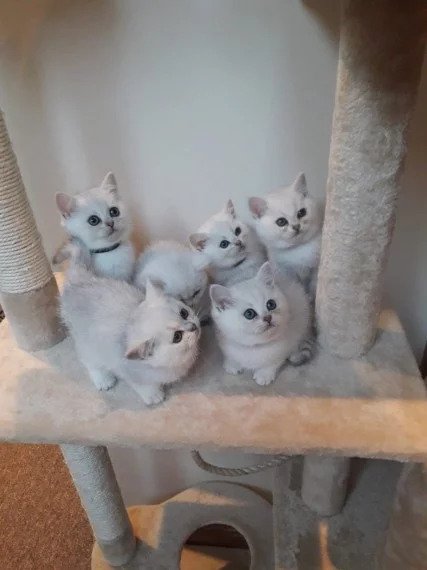
In recent years, the British Shorthair kitten has captured the hearts of pet lovers across America, establishing itself as one of the most sought-after feline companions. With their distinctive round faces, plush coats, and charming personalities, these kittens not only boast an appealing appearance but also a rich history that dates back to their origins in Britain. As the demand for unique and affectionate pets continues to rise, the British Shorthair’s blend of beauty, temperament, and adaptability has made it a favorite among families and individuals alike
The Allure of the British Shorthair Breed
Origin and History
The British Shorthair’s history is a bit like a good cup of tea: rich, warming, and steeped in tradition. This breed hails from the UK, tracing its lineage back to the Roman Empire when cats were brought over to control the rodent population. Over the centuries, these cats have evolved into the chunky, adorable companions we know today, with a paw in both history and the hearts of cat lovers everywhere.
Physical Characteristics
Imagine a cat that looks like it just walked off a Victorian painting—stocky, round-faced, and with plush, dense fur. British Shorthairs come in a rainbow of colors, but their iconic blue-gray hue is a crowd favorite. With their charmingly chubby cheeks, big, round eyes, and a build that screams “I’ve been working out (or napping, it’s hard to say),” these kittens are the supermodels of the feline world.
Temperament and Personality
British Shorthairs are like the calm, collected friend who’s always up for a cozy night in. Known for their easygoing nature, these cats are affectionate but not clingy, making them perfect companions for those who enjoy both cuddles and solo Netflix binges. With a playful side that comes out when the mood strikes, they’re sure to sprinkle a little joy into your everyday life—just don’t be surprised if they give you the “I’m too cute to be scolded” look when they knock over your favorite mug.
Historical Journey: From Britain to America
Bringing the Breed to the U.S.
In the early 20th century, British Shorthairs took a leap across the pond, thanks to dedicated breeders who recognized their charm. The breed was showcased at cat shows, and its popularity began to grow rapidly. By the 1980s, these kittens were firmly planted on American soil, ready to conquer hearts and Instagram feeds.
Early American Enthusiasts
As these feline beauties made their way into the U.S., a dedicated group of cat enthusiasts emerged. They formed clubs and organized shows to celebrate the breed, sparking a fervor akin to a cat craze. This movement laid the groundwork for what would become a love affair between Americans and British Shorthairs, turning them into celebrity cats almost overnight.
Evolution of Popularity Over the Decades
Fast forward to today, and the British Shorthair is practically royalty in the cat world. From the 90s to now, their popularity has surged, fueled by social media and the undeniable cuteness of kitten videos. As more people sought companionship during tough times, these plump purring pals became go-to cuddle buddies for many Americans, making them a staple in households across the nation.
Unique Characteristics of British Shorthair Kittens
Distinctive Appearance
With their short, plush coats and sturdy build, British Shorthair kittens are almost too cute to handle. Their rounded faces and large, expressive eyes (often in shades of copper or gold) make them look perpetually surprised, as if the world is just as delightful as a fresh tuna treat. Plus, their thick tails and powerful legs give them a solid, cuddly presence that’s hard to resist.
Behavioral Traits
These fluffy furrballs are like the introverts of the cat world; they enjoy their space but love being near you. British Shorthairs are known for their low-key demeanor and love of routine. They might not be circus performers like some breeds, but their quirky antics will keep you entertained. You’ll find them lounging on the windowsill, observing the world like tiny furry philosophers pondering the meaning of life… or just waiting for a bird to come by.
Health Considerations
While British Shorthairs are generally healthy, they do have some hereditary conditions to keep an eye on—like heart disease and obesity. Staying on top of their diet and regular vet visits is key to keeping these cuddly companions in tip-top shape. A little preventative care goes a long way, ensuring they can continue to charm your socks off for years to come!
Rising Popularity: Trends in Pet Ownership in the U.S.
Statistics on Pet Ownership
The pet ownership game is changing, folks! In recent years, an increasing number of households in the U.S. have adopted pets, with cats enjoying a major slice of the pie. It’s estimated that around 50% of households now include a pet, and with countless kitten cuties available for adoption, British Shorthairs are riding this wave of cat love.
Factors Driving Demand for British Shorthairs
What’s driving the obsession with British Shorthairs? It’s a delightful brew of factors: their charming looks, docile temperament, and the fact that they seem to thrive in both bustling households and calm apartments. Plus, who can resist those chubby cheeks? As more people seek laid-back companions in their busy lives, the British Shorthair is topping the charts as the purrfect choice.
Comparison with Other Popular Breeds
In a world full of feline options, British Shorthairs have managed to stake their claim among the top contenders, often competing with breeds like the Siamese and Maine Coon. While those breeds have their own unique charms, the British Shorthair’s balance of personality, charm, and stunning looks keep them in the hearts of many cat lovers. It’s like being in a feline popularity contest, and guess what? The British Shorthair is winning!
Care and Maintenance of British Shorthair Kittens
Feeding and Nutrition
British Shorthair kittens are like little furry tanks—adorably robust and packing a powerful appetite! To fuel their playful antics, they need a balanced diet rich in high-quality protein. Look for kitten-specific food that includes real meat as the first ingredient. Keep portions in check; while they may try to persuade you that their bowl is a bottomless pit, overfeeding can lead to health issues down the road. And don’t forget to keep fresh water available at all times—hydration is key to keeping those cute little whiskers twitching!
Grooming Needs
With their plush, dense coat, British Shorthair kittens can easily become little fluff balls of fur, but fear not! They’re generally low-maintenance when it comes to grooming. A good brush once a week will do wonders to keep that coat looking pristine and reduce shedding—unless you enjoy a new fur decoration on your favorite chair. Bathing isn’t usually necessary, but occasional wipe-downs can keep them fresh. Just be sure to introduce grooming gently, so they don’t think it’s the dreaded ‘spa day’—trust us, you don’t want a tiny kitten escaping mid-groom!
Health Checkups and Vaccinations
Keeping up with health checkups and vaccinations is crucial, especially for your little British Shorthair bundle of joy. Schedule vet visits early on; they’ll need their initial vaccinations, and a check-up to ensure everything is on track. Regular health monitoring helps nip any potential issues in the bud. Also, talk to your vet about spaying or neutering—this not only prevents unwanted litters but might also curb some of those spirited antics! Remember, a healthy kitten today means a happy cat tomorrow.
Celebrity Influence: Famous British Shorthairs in Pop Culture
Social Media Stars
In the era of Instagram and TikTok, who could resist the charm of a British Shorthair kitten posing in a cardboard box or “helping” their human with Zoom calls? Cats like Grumpy Cat may have started the trend, but British Shorthairs are stepping into the spotlight with their plush coats and round faces. These feline influencers are racking up followers by the thousands, and let’s be honest—who can scroll past a photo of one staring into your soul with those big, round eyes?
Film and Television Appearances
From commercials to major motion pictures, British Shorthairs are stealing scenes left and right. Whether they’re the snarky sidekick or the aloof pet of a prominent character, these cats bring a certain “je ne sais quoi” to the screen. They’re the feline equivalent of that friend who always gets invited to parties because they just make everything better! Their distinctive look and regal demeanor make them a perfect choice for directors looking to add charm and cuteness to their productions.
Impact on Popular Culture and Trends
The rise of the British Shorthair has impacted beyond just social media and film; they’re influencing fashion trends, merchandise, and even memes! From quirky t-shirts featuring their iconic round faces to coffee mugs that proclaim “Life is better with a British Shorthair,” it’s clear that these cats are cultural icons in the making. Their unique charm has inspired a plethora of products, ensuring that anyone can capture a bit of the British Shorthair magic in their lives—without risking a single scratch!
Adoption and Breeding Practices in America
Responsible Breeding Practices
When it comes to breeding British Shorthairs, responsibility is the name of the game. Ethical breeders prioritize the health and temperament of their cats, avoiding inbreeding and ensuring proper socialization. They’re also transparent about the health history of their kittens, so potential owners can have peace of mind. Remember, a healthy kitten today can save a world of heartache down the line. If a breeder isn’t happy to answer your questions, it’s best to look elsewhere—they should be as invested in your kitten’s future as you are!
Choosing the Right Breeder
Finding the right breeder can feel like dating—swiping left on questionable practices and waiting for the perfect match! Look for breeders who are registered with cat fancier associations; these professionals are typically committed to ethical practices. Ask for references, visit their cattery if possible, and don’t hesitate to ask about their breeding philosophy. Your ideal breeder will encourage you to ask questions and be excited to share their knowledge—after all, they want to find the best home for those adorable furballs!
Adoption vs. Purchase: Pros and Cons
When it comes to acquiring a British Shorthair, the age-old debate of adoption versus purchase often arises. Adopting can be a fulfilling option—saving a life and often at a lower cost—but it may be harder to find a British Shorthair in shelters, as they are often pursued by breeders. On the flip side, purchasing from a responsible breeder can provide a guarantee of health and lineage, but it may come with a hefty price tag. Ultimately, it boils down to what’s important to you—your heart (and wallet) will guide the way!
The Future of British Shorthairs in American Households
Potential Trends in Breeding
As the popularity of British Shorthairs continues to rise, we can expect to see some exciting trends in breeding practices. Expect more focus on health genetics, with breeders prioritizing long-term well-being over aesthetic appeal. Also, a push for diversity in coat colors and patterns might emerge, bringing a splash of variety to the breed standard. Who knows, maybe we’ll see a neon-colored British Shorthair sporting a mohawk—now that would break the internet!
Shifting Attitudes Towards Pet Ownership
Americans are increasingly viewing pets as part of the family, and British Shorthairs fit right into that role with their affectionate yet independent personalities. This shift means more people are willing to invest time, money, and effort into their pets’ well-being. As we continue to embrace the idea of pet wellness as an extension of our own health, British Shorthairs will undoubtedly benefit from these changing attitudes. Spoiling your cat with toys and treats is the new norm, and let’s be honest, they definitely deserve it!
Challenges and Opportunities Ahead
While the future looks bright for British Shorthairs in America, there are challenges to navigate. Issues like overbreeding and health-related concerns may surface as demand grows. However, this also presents opportunities for education and community building among breeders and owners. By advocating for responsible ownership and ethical breeding practices, we can ensure these adorable furballs will continue to grace our homes with their charming presence for generations to come.
Frequently Asked Questions
1. What are the common traits of British Shorthair kittens?
British Shorthair kittens are known for their round faces, dense coats, and stocky build. They typically have a calm and friendly demeanor, making them great companions for families and individuals alike.
2. How should I care for a British Shorthair kitten?
Caring for a British Shorthair kitten involves providing a balanced diet, regular grooming to maintain their thick coat, routine health checkups, and ensuring they have plenty of playtime to keep them stimulated and happy.
3. Are British Shorthairs good with children and other pets?
Yes, British Shorthairs are generally known for their gentle and tolerant nature, making them suitable for families with children and other pets. They typically adapt well to various household environments.
4. Where can I find a reputable breeder or adopt a British Shorthair?
You can find reputable breeders through breed clubs or associations that focus on the British Shorthair. Alternatively, consider checking local animal shelters or rescue organizations that may have British Shorthair kittens available for adoption.