
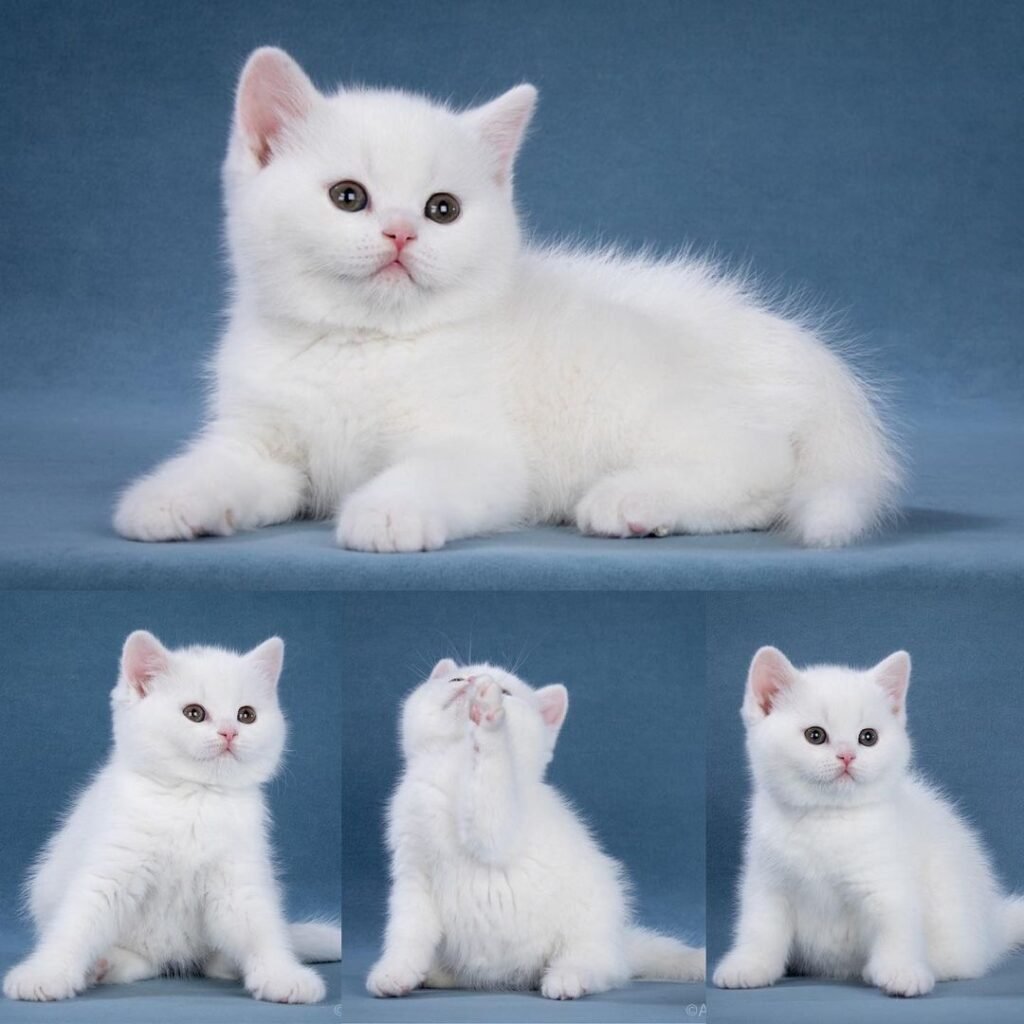
Bringing a British Shorthair into your home is an exciting journey filled with companionship and joy, but it also comes with the responsibility of ensuring your new feline friend has everything they need for a happy and healthy life. This guide provides a comprehensive shopping list tailored specifically for British Shorthairs, covering essential supplies, nutrition, grooming tools, health care essentials, enrichment activities, and safety considerations. Whether you’re a first-time cat owner or a seasoned enthusiast, this ultimate shopping list will help you prepare for the arrival of your adorable British Shorthair and create an environment where they can thrive.
Overview of the British Shorthair Breed
History and Origins
The British Shorthair is more than just a pretty face; it’s steeped in history! Think of this breed as the English gentleman of the cat world, with roots that trace back to ancient Rome when cats were brought over as pest controllers. Fast forward to the 19th century, and they were recognized as a distinct breed in Britain, thanks to some serious dedication from cat enthusiasts. This breed has been around through wars and royal scandals, with a charmingly robust nature that’s made it a beloved companion today.
Physical Characteristics
If you’re looking for a cat that’s both cute and cuddly, the British Shorthair has you covered! These cats are known for their muscular build, round faces, and dense, plush coats that come in a rainbow of colors. Their big, round eyes often have a captivating copper hue, making them look like they’re always judging your life choices. Adult British Shorthairs typically weigh between 9-18 pounds, making them the perfect lap-sitting size—just make sure your lap is ready for some serious snuggles!
Temperament and Behavior
The British Shorthair is known for its easygoing and laid-back personality. These cats are not typically the drama queens of the feline world; rather, they possess a calm and friendly demeanor that makes them fantastic family pets. They are independent, yet enjoy spending time with their humans, often following them around like lovable shadows. Don’t expect them to be overly demanding, but do get ready for some serious affection and a few quirky antics that will have you chuckling!
Essential Supplies for Your British Shorthair
Basic Equipment Checklist
Before you welcome your British Shorthair home, you’ll want to have your shopping list ready! Essentials include a cozy bed (preferably one that says “You’re the best human ever”), a litter box that’s big enough for their royal behind, toys to keep them entertained (because what’s a cat without a little fun?), and a scratching post that’s worthy of their mighty claws. Don’t forget a carrier for those vet visits—you don’t want them judging you from the backseat!
Choosing the Right Food and Water Bowls
When it comes to food and water bowls, function meets style! Look for sturdy bowls that won’t easily slide around, because British Shorthairs have a reputation for being a bit clumsy when they chow down. Opt for stainless steel or ceramic bowls as they’re easy to clean and keep germs at bay. Just keep in mind that these cats have a tendency to be food critics, so you might need to invest in fancy bowls that complement your kitchen decor—we wouldn’t want them turning up their noses now, would we?
Nutritional Needs and Recommended Foods
Understanding Dietary Requirements
British Shorthairs are known for their easygoing nature, but be careful—those adorable, round faces can lead to some serious overindulgence! This breed requires a balanced diet rich in protein and low in fillers. Keeping an eye on their caloric intake is key to preventing obesity, especially since they’re known to enjoy a good lounging session. Consult with your vet to identify specific dietary needs based on age and activity level, and remember, a well-fed cat is a happy cat!
Top Brands for British Shorthairs
When it comes to feline cuisine, not all cat food is created equal. Brands like Royal Canin and Hill’s Science Diet often come highly recommended for British Shorthairs due to their specialized formulations that cater to this breed’s nutritional needs. Look for options that support joint health and maintain a healthy weight, ensuring your fuzzy friend stays sprightly and playful. And don’t be surprised if your kitty turns into a sophisticated connoisseur of cat food—it’s all part of the British charm!
Feeding Schedule and Portion Control
To maintain a healthy weight, establish a consistent feeding schedule for your British Shorthair. Most experts recommend feeding them twice a day—once in the morning and once in the evening. Portion control is essential; measure out their food according to the brand’s guidelines and adjust based on their activity level. If your fluffball starts eyeing your dinner plate with too much interest, it might be time for a little more playtime to burn off that extra energy (and those extra calories!).
Grooming Tools and Maintenance Products
Brushes and Combs for Coat Care
While British Shorthairs have short hair, they still benefit from regular grooming to keep their coat looking plush and healthy. Invest in a slicker brush or a rubber grooming glove to remove loose fur and dander. Aim for a brushing session once a week, and you and your cat will enjoy some quality bonding time. Just be prepared for the occasional look of indignation—“Why are you messing with my fabulousness?”
Bathing Products and Techniques
Bathing a British Shorthair might sound like an Olympic event, but it shouldn’t be too much of a hassle. Generally, these cats keep themselves pretty clean, but if they happen to take a dive into something questionable, you’ll need to intervene. Use a mild cat shampoo and make sure to thoroughly rinse them (unless you enjoy wet cat drama). It’s best to start their bathing journey when they’re young, so they grow accustomed to the water—think of it as a quirky character-building exercise!
Nail Trimming Tools and Tips
Nail trims are an essential part of cat maintenance, especially since British Shorthairs love to scratch. Invest in a good pair of cat nail clippers or a guillotine-style trimmer. Aim to trim their nails every couple of weeks, and create a calming routine—perhaps some treats and soothing music will help! If your cat decides that today is not the day for a pedicure, just take a deep breath and try again later. Remember, patience is key, and you’ll both come out of the experience with all your claws intact!
Health Care Essentials: Vet Visits and Vaccinations
Regular Check-Ups: What to Expect
Taking your British Shorthair to the vet is a bit like a trip to the spa—minus the cucumber slices and soothing music. Regular check-ups are essential for keeping your feline friend in tip-top shape. Expect a thorough physical examination, which includes checking their eyes, ears, teeth, and—let’s be honest—those adorable chubby cheeks! Your vet will also weigh your cat, check its heart and lungs, and might even recommend some dental work if those pearly whites are starting to look a bit like a pottery class project gone wrong.
Common Health Issues in British Shorthairs
British Shorthairs are generally robust, but like every royal, they can have their quirks. Common health issues include obesity (thanks to their love for food) and heart conditions like hypertrophic cardiomyopathy (try saying that three times fast!). They can also be prone to hip dysplasia, so keep an eye on their mobility. Regular vet visits and monitoring their weight can help keep these issues at bay, ensuring they stay as regal as ever.
Vaccination Schedule Overview
Vaccinations are like the VIP pass your cat needs to socialize successfully with other felines—ensuring they’re protected from diseases like feline leukemia and rabies. The typical vaccination schedule starts with kitten vaccinations around 6-8 weeks, followed by boosters every few weeks until they’re about 16 weeks old. After that, annual check-ups and boosters will keep their defenses strong. Remember, a well-vaccinated cat is not just happy but also a less stressful companion.
Toys and Enrichment for a Happy Cat
Types of Toys for British Shorthairs
British Shorthairs are not just cute; they have a playful side that needs serious attention! Look for toys that cater to their natural hunting instincts. Think soft stuffed mice, feather wands, and balls that jingle. They’re like mini-Audrey Hepburns—fancy but always up for a bit of mischief. Don’t forget to invest in some scratching posts or pads to keep their claws in check and furniture intact.
Interactive Play and Mental Stimulation
These chubby bundles of fluff can get bored quicker than you can say “catnip.” Interactive toys that dispense treats or require problem-solving keep their brains engaged and bellies satisfied. Think of it as their very own cat version of “Survivor.” Rotate toys regularly to keep things interesting—no one likes a stale game of “whack-a-mole” all year long!
Homemade Toys and DIY Ideas
Why not unleash your inner crafty cat parent? Homemade toys can be as simple as a crumpled-up piece of paper, a cardboard box, or a sock stuffed with catnip (with a few stitches to prevent a disastrous catnip explosion). Get creative! Even a DIY fishing pole with string and a feather can keep your British Shorthair entertained for hours. Just remember, your cat has a higher standard for fun than you might expect!
Choosing the Right Litter and Litter Box
Different Types of Cat Litter
When it comes to cat litter, there’s a whole world of options that can make your head spin—so let’s simplify. You’ve got clumping clay, scoopable crystals, biodegradable options, and even recycled paper. Each type has its pros and cons, with clumping clay usually being the most popular. British Shorthairs tend to appreciate the finer things in life, so experiment to find what suits their royal preferences best!
Litter Box Options: Size and Design
Size does matter—especially when it comes to litter boxes! Your British Shorthair will appreciate a spacious box; think of it as their throne. Look for boxes that are at least 1.5 times the length of your cat. Enclosed boxes can reduce litter scatter and provide privacy, but some cats prefer the open-air experience, much like a sunbather on a beach. Choose based on your cat’s personality and dignity level!
Litter Training Tips for New Owners
Congratulations on bringing home a furry friend! Litter training should be straightforward if you set them up for success. Place the litter box in a quiet, accessible spot (not next to the disco ball, please). Keep it clean by scooping daily—nobody likes a stinky bathroom. If your British Shorthair initially gives you the stink eye over the box, it might just require a bit of patience and encouragement. With a little time, they’ll be strutting to their litter box like royalty!
Safety and Comfort: Bedding and Carrier Options
Choosing the Right Bed for Your Cat
Let’s face it—your British Shorthair is a connoisseur of comfort. Look for a bed that’s soft, cozy, and maybe even slightly plush. Options range from traditional cat beds to more extravagant choices like heated or cave-style beds. Just like humans, cats have their own sleep preferences, so it might take a little trial and error before you find the bed that earns the coveted “nap approval.”
Traveling with Your British Shorthair: Carrier Essentials
Planning a trip? Time to invest in a decent carrier that’s sturdy yet cozy. Look for one that’s easy to clean with plenty of ventilation and room to spare for your regal furball. Some carriers even come with comfy liners—because, let’s be real, nobody wants their cat arriving at grandma’s house looking like a ruffled mess. Add a few toys or a favorite blanket to make the journey smoother, so they don’t meow at you about their discontent during the entire ride.
Creating a Safe Environment at Home
Your home should be a haven for your British Shorthair, free from hazards and full of cozy nooks. Make sure to secure any loose wires, remove toxic plants, and keep small objects out of paw’s reach. Create a designated area with scratching posts, toys, and, of course, their beloved bed. A little effort goes a long way in keeping your furry friend safe and happy, turning your home into a royal abode!As you embark on the rewarding journey of caring for your British Shorthair, having the right supplies and knowledge is key to ensuring their well-being and happiness. By following this ultimate shopping list guide, you can create a nurturing environment that caters to their unique needs and preferences. Remember, every cat is different, so take the time to observe your furry friend and adjust your choices accordingly. With love, attention, and the right resources, your British Shorthair will flourish and bring endless joy to your life.
FAQ
1. What type of food is best for a British Shorthair?
The best food for a British Shorthair is high-quality, protein-rich cat food that meets their dietary needs. Look for options specifically formulated for their age (kitten, adult, or senior) and consider consulting your vet for personalized recommendations.
2. How often should I groom my British Shorthair?
British Shorthairs have a dense coat that benefits from regular grooming. Aim to brush your cat at least once a week to minimize shedding and prevent matting, and more frequently during seasonal shedding.
3. What should I include in my British Shorthair’s playtime routine?
Incorporate a variety of toys, such as interactive toys, feather wands, and puzzle feeders, into your British Shorthair’s playtime routine. Regular play sessions help keep them mentally stimulated and physically active.
4. How can I ensure my British Shorthair is comfortable while traveling?
To ensure your British Shorthair is comfortable while traveling, invest in a sturdy and well-ventilated carrier, provide familiar bedding or toys, and take regular breaks during long trips to allow them to relax and stretch.