
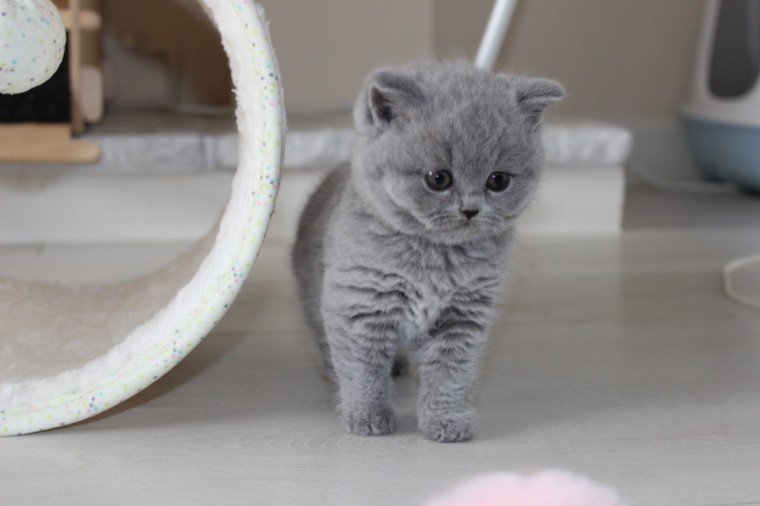
British Shorthair kittens are renowned for their charming personalities, striking appearance, and robust health, making them one of the most sought-after feline companions. With their round faces, dense coats, and captivating eyes, these kittens not only capture the hearts of cat lovers but also bring a unique blend of playfulness and independence to any household. In this article, we will explore the distinctive traits that set British Shorthair kittens apart, from their physical characteristics and temperament to their care requirements and health considerations, helping prospective owners understand why this breed is truly special.
Overview of British Shorthair Kittens
History and Origin
The British Shorthair’s roots dig deep into the historic soil of Britain, where they’ve roamed since the Roman times, likely descending from the cats that accompanied Roman soldiers. These little furballs were once cherished for their mouse-catching skills and were practically the original “feline workforce.” Fast forward to the 19th century, and their robust build and dense coats captured the hearts of cat fanciers, leading to their formal recognition as a breed. Fancy that—a breed purposefully shaped by necessity and charm!
Popularity and Recognition
Today, British Shorthairs are not just a hit in England; they’ve become global sensations! With their round faces and plush coats, they have graced many a meme and Instagram feed. Recognized by various cat associations, including the Cat Fanciers’ Association, these kittens have clawed their way into the hearts of tens of thousands. Their popularity is partly thanks to pop culture references, including their starring role in the famous “Puss in Boots.” Who wouldn’t want a pint-sized guardian of their catnip stash?
Distinctive Physical Traits
Coat Color and Patterns
The British Shorthair is like the fashionista of the cat world—always in style with its wide array of coat colors and patterns. From classic blues to tabby stripes and even cream and chocolate shades, you’ll never run out of options. Their plush, dense fur not only looks luxurious but also feels like a soft, living pillow. Warning: once you hug one, you may never want to let go!
Body Structure and Size
With a body structure that’s more like a little tank than a typical kitty, British Shorthairs boast a stocky, muscular build. They generally weigh between 9 to 18 pounds, making them a hefty cuddle companion rather than a dainty lap cat. Their powerful legs and broad chests give them a presence that’s impossible to ignore. Think of them as the gentle giants of the kitty kingdom—minus the actual giant part.
Eye Color and Shape
Those mesmerizing round eyes are one of the British Shorthair’s most captivating features. You might find them in stunning shades of copper, blue, or green, depending on their color coat. The roundness echoes their overall features, contributing to that irresistibly adorable appearance. Just one gaze from these captivating orbs, and you might find yourself utterly enchanted—beware, you may dream of them for weeks!
Temperament and Behavior
Personality Characteristics
British Shorthairs are the cats who practically invented the phrase “cool as a cucumber.” Their laid-back demeanor, paired with a playful spirit, makes them adaptable companions. Generally friendly and gentle, they are neither overly needy nor aloof—perfectly balanced like a feline yin and yang. They can be playful and silly but also appreciate a good nap. They’re the cat equivalent of that friend who’s down for anything but also knows the value of a quiet night in.
Interaction with Families and Children
These kittens shine in family settings, flaunting a temperament that’s both patient and affectionate. They often enjoy the company of children and will happily tolerate a little playful chaos, assuming that roughhousing stays within reasonable limits. With their hearty tolerance and easygoing nature, they become cherished family members rather than mere pets. They’re basically the friendly village elder who’s seen it all but still loves a good game of tag.
Compatibility with Other Pets
If you’re already sharing your home with other pets, a British Shorthair kitten might just be the perfect addition to your furry family. Their calm nature usually gets along well with other cats and dogs—though we could always call it a “furry peace treaty.” While they may need time to adjust, their adaptable personality often shines through, leading to harmonious multi-pet households. Just be prepared for a frequent game of musical chairs when everyone gathers around for scritches!
Care and Maintenance Requirements
Feeding and Nutrition
Feeding a British Shorthair is akin to preparing a meal for a picky yet pampered royal. These kittens thrive on a balanced diet rich in proteins and healthy fats to sustain their robust build. Quality cat food, whether dry or wet, will keep their energy levels high and tails wagging. Just be cautious with those extra treats—those irresistible eyes can be quite the persuasive force when it comes to food!
Grooming Needs
Thanks to their plush coats, British Shorthairs require regular grooming, but don’t panic! They don’t require daily brushing; a couple of sessions a week will do the trick to keep their fur looking fab and reduce shedding. Regular brushing not only helps with maintaining their coat health but also strengthens that special bond between you and your kitty. Just think of it as a spa day—fluffy relaxation time!
Exercise and Playtime
Although they may look like spongy little cushions, British Shorthairs need their exercise, too! Engaging them in playtime with interactive toys, laser pointers, or even a good old-fashioned ball of yarn will keep their clever minds and bodies fit. They can be surprisingly playful, making them the ultimate couch potato and enthusiastic athlete combo. A few playful bursts throughout the day will keep your kitten happy and healthy, ensuring they live their best life as your beloved companion.
Health Considerations
Common Health Issues
British Shorthair kittens are known for their robust appearance, but they are not immune to health concerns. Common issues include hypertrophic cardiomyopathy (HCM), a condition that affects the heart muscles, and obesity, which can lead to a variety of problems if not managed. Other potential health concerns include respiratory issues and dental problems, so keep a close eye on their well-being and consult with your vet regularly.
Regular Veterinary Care
Just like you wouldn’t skip your annual health check-up (your Netflix binge-watching sessions don’t count), neither should your kitten. Regular veterinary check-ups are crucial to monitor their development, administer vaccinations, and catch any potential issues early on. Make sure to schedule a visit as soon as they arrive home, and keep those vet visits regular—think of it as a spa day without the cucumber eye patches!
Preventative Measures
Preventive care is your best friend when it comes to keeping your British Shorthair kitten healthy. Remember to provide a balanced diet and encourage regular play to prevent obesity. Dental care is also essential; brushing your kitten’s teeth may sound like a chore, but it’s a lot easier than finding a cat dentist! Also, consider spaying or neutering your kitten to reduce health risks and unwanted behaviors.
Socialization and Training Tips
Early Socialization Practices
Socialization is key in the formative months of your British Shorthair kitten’s life. Introduce them to a variety of people, pets, and environments to help them grow into well-adjusted adults. Playdates with friendly dogs, supervised encounters with other cats, and exposure to different sounds (like the neighbor’s heavy metal band) can help them adapt to the world around them. Just remember, no cat should become a social butterfly overnight!
Litter Box Training
Litter box training should be as easy as pie—after all, it’s what they were born to do! Choose a litter box that’s appropriate for their size and a litter type they enjoy (don’t worry, you’ll know when they don’t). Place the box in a quiet, accessible area and show your kitten where it is. Most will instinctively know what to do! If accidents happen, don’t lose your cool; patience and a little cleanup will go a long way.
Positive Reinforcement Techniques
Kittens respond to positive reinforcement like a toddler responds to ice cream. When they do something right—like using their litter box or engaging in playtime—reward them with treats, praise, or a gentle scratch behind the ears. Avoid harsh corrections; instead, redirect unwanted behavior and maintain a positive atmosphere. Your kitten will learn that being good brings about all the good stuff, and who wouldn’t want that?
Finding a Reputable Breeder
What to Look for in a Breeder
When searching for a British Shorthair kitten, finding the right breeder is crucial. Look for breeders who are reputable and responsible, meaning they prioritize the health and temperament of their kittens over profits. A good breeder will conduct health screenings, offer socialized kittens, and should be transparent about their breeding practices. If they seem evasive or only talk about their kittens’ looks, it’s time to move on.
Questions to Ask
Don’t be shy—channel your inner detective and ask plenty of questions! Inquire about the kitten’s parents, health history, and any socialization practices the breeder uses. Also, ask about genetic testing, vaccination schedules, and the living conditions of the kittens. A good breeder will happily answer your queries, giving you peace of mind. If they don’t want to chat, it might be wiser to keep searching.
Understanding the Adoption Process
Getting a kitten is like acquiring a new family member, so understanding the adoption process is essential. This typically involves filling out an application, a possible interview, and paying an adoption fee. Some breeders may even have waiting lists, so be prepared to join a queue. Remember, adopting a kitten is a commitment, so do your research and make sure you’re ready for the purr-fect addition to your life!
Conclusion: Why Choose a British Shorthair Kitten?
Summary of Unique Qualities
British Shorthair kittens are a delightful blend of charm, intelligence, and easygoing demeanor. Their plush coats and round faces aren’t just adorable—they pack a punch with personality. They’re known to be loyal companions, making them ideal for families and individuals alike. Plus, their moderate activity level means they’re content to snuggle on the couch after some playful antics!
Final Thoughts on Ownership
Choosing to bring a British Shorthair kitten into your home is a decision that will bring joy, laughter, and a few hairballs, too. With proper care, socialization, and training, you’ll form a bond that lasts a lifetime. Embrace the ups and downs, and remember: owning a kitten is not just about the cuteness (though that helps!); it’s about building a lifelong friendship—one playful pounce at a time!In conclusion, British Shorthair kittens offer a delightful combination of beauty, affection, and resilience that makes them a cherished addition to any family. Their distinctive traits and gentle nature not only enrich our lives but also create lasting bonds with their owners. Whether you are considering welcoming one into your home or simply appreciate the breed, understanding their unique qualities will deepen your appreciation for these wonderful companions.
Frequently Asked Questions
What is the average lifespan of a British Shorthair kitten?
The average lifespan of a British Shorthair is typically between 12 to 20 years, depending on genetics, health care, and living conditions.
Are British Shorthair kittens good with children and other pets?
Yes, British Shorthair kittens are generally known for their friendly and easygoing nature, making them great companions for children and compatible with other pets when properly socialized.
How much grooming do British Shorthair kittens require?
British Shorthair kittens have a dense coat that requires regular brushing, ideally once a week, to minimize shedding and prevent matting.
What should I feed my British Shorthair kitten?
Providing a high-quality, balanced diet that meets the nutritional needs of growing kittens is essential. Look for kitten-specific food that contains adequate protein, vitamins, and minerals for optimal growth and health.