
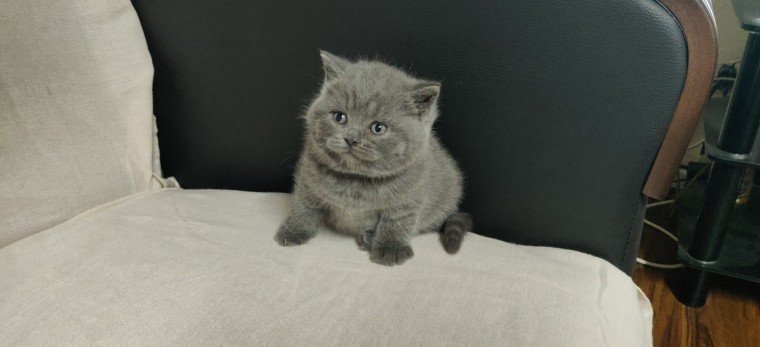
British Shorthair kittens are known for their charming looks and endearing personalities, making them one of the most beloved cat breeds in the world. With their distinct round faces, plush coats, and captivating blue eyes, these kittens not only capture hearts but also bring a delightful presence to any home. Originating from the United Kingdom, the British Shorthair combines a robust build with a gentle temperament, making them suitable companions for families, singles, and seniors alike. This article will explore the key aspects of British Shorthair kittens, including their characteristics, care requirements, and the joys of bringing one into your life.
Overview of British Shorthair Kittens
History and Origin
The British Shorthair has a history as rich and textured as a fine British tea. This breed traces its roots back to the Roman conquest of Britain, when cats were brought over to handle rodent problems (and, let’s be honest, to stylishly lounge around). Over time, they’ve gained a reputation, especially after winning a blue ribbon at the first cat show in 1871. They’re the gentle giants of the cat world, embodying centuries of British charm and resilience, all while boasting that iconic round face and plush coat.
Popularity and Demand
In recent years, British Shorthair kittens have exploded in popularity, becoming the darlings of Instagram feeds and cat cafes alike. With their robust build and adorable, grumpy faces, it’s no wonder they’ve captured the hearts of many. Demand for these kittens is high, which often leads to waiting lists longer than your last Netflix binge. Breeders can’t keep up with the cuddly cuteness and charm that these cats radiate, making them a prized possession for feline enthusiasts.
Characteristics and Appearance
Physical Features
British Shorthair kittens boast a stout build that’s as sturdy as it is cute. They have an irresistible round face paired with large, expressive eyes that can convey everything from curiosity to mild annoyance. Their dense, plush coat gives them a teddy bear-like appearance and is a testament to their British nobility. Even their paws are a topic of admiration—big, round, and perfect for padding around your house like they own the place.
Color Variations
These kittens come in an array of colors that would make a box of crayons jealous! From classic blues (not the musical kind) to shades of cream, chocolate, and even the rare lilac, the color palette is extensive. You may also find them in tabby patterns, bicolor, or even spotted. Whether you fancy a striking solid color or a whimsical pattern, there’s a British Shorthair kitten that will match your aesthetic perfectly.
Temperament and Behavior
Personality Traits
British Shorthair kittens are the introverted socialites of the cat world. They possess a calm demeanor, often preferring to observe before getting involved in the fun. Playful yet independent, they enjoy a good romp with their toys, but are just as content to lounge like a regal aristocrat. Their affectionate nature makes them the perfect companions, and they have this uncanny ability to make you feel like you’re the center of their universe—until they decide it’s time for a nap, of course.
Interaction with Humans and Other Pets
When it comes to human interaction, British Shorthair kittens are about as friendly as a cat can be—without being overly clingy. They appreciate attention but don’t demand it incessantly. They’re also generally good with other pets, though they might initially give them a look that says, “You’re in my personal space.” With regular socialization, these kittens can become delightful members of multi-pet households, creating an adorable feline harmony.
Care and Maintenance
Feeding and Nutrition
To keep your British Shorthair kitten purring with delight and at a healthy weight, a balanced diet is key. Opt for high-quality cat food that contains the right mix of protein, fats, and carbs. Portion control is essential, as these kittens are known for their love of food—don’t be surprised if they awkwardly stare at you while you’re snacking! Monitor their intake and keep an eye on those adorable round bellies to prevent any waddling.
Grooming Requirements
Despite their royal looks, British Shorthair kittens are surprisingly low-maintenance when it comes to grooming. Their dense coats do require regular brushing—once or twice a week should do the trick—to remove loose hairs and keep their fur looking fabulous. This is also a great opportunity for bonding! Just be prepared for a few playful swats as they “help” with the grooming process.
Exercise Needs
While these kittens might look like they prefer a life of leisure, they actually enjoy a good play session. Engaging them with toys like feather wands or balls will keep them active and mentally stimulated. Aim for at least 20-30 minutes of playtime a day to keep their chubby little bodies healthy and happy. Just remember, they may take frequent breaks to observe their surroundings—after all, who wouldn’t want to be a majestic couch potato now and then?
Health Considerations
Common Health Issues
British Shorthair kittens are generally robust, but like all breeds, they come with their own set of potential health hiccups. The most common issues include hypertrophic cardiomyopathy (HCM), a heart condition that can affect these chubby little darlings. They might also be prone to dental problems due to their compact jaws. Obesity can be another concern, especially when those big, round eyes convince you to sneak them a few extra treats. Keeping a close eye on your kitten’s health will help ensure they live a long, happy life—because no one wants to be the “cat parent” with a sad kitty!
Regular Veterinary Check-ups
Regular vet visits are as important for your British Shorthair as binge-watching their favorite cat videos. Ideally, you should schedule check-ups every six to twelve months. During these visits, your vet will check for any signs of illness, update vaccines, and provide advice on diet and weight management (yes, that means a stern talk about those tempting treats). Early detection of any health issues can make all the difference, so don’t skip those appointments—unless your kitten has figured out how to drive, in which case, you might have bigger problems!
Choosing a Responsible Breeder
What to Look For in a Breeder
Finding a responsible breeder is crucial to ensuring your British Shorthair kitten is healthy and well-socialized. Look for breeders who are registered with reputable cat associations and who prioritize the well-being of their cats over profit. A good breeder will be knowledgeable about the breed and will provide health screenings for common genetic issues. Plus, they should be eager to let you meet the kittens’ parents, as well as the kittens themselves—because who doesn’t love a meet-and-greet with adorable fluffballs?
Questions to Ask
When you finally strike up a conversation with a potential breeder, don’t hold back! Ask about their breeding practices, health testing, and socialization efforts. Inquire about the kitten’s vaccination records and whether they have been checked for common health issues. A responsible breeder should also be willing to discuss the kitten’s temperament and what kind of support they provide after the adoption. Don’t forget to ask about the breeder’s return policy—just in case you accidentally adopt a tiny diva who scorns all the toys you’ve bought!
Training and Socialization Tips
Basic Training Techniques
Training your British Shorthair kitten might sound like a challenge, but it’s more about patience than persistence. These kitties are intelligent, so start with simple commands like “sit” or “come” using treats as positive reinforcement. You may also want to introduce a litter box early on, and with a little encouragement, they’ll soon think it’s their idea! Remember, the key is to keep training sessions short and fun—because no one benefits from a bored kitten plotting world domination.
The Importance of Socialization
Socialization is essential for your British Shorthair to grow into a well-rounded cat. Start early by exposing them to various sounds and experiences, such as vacuum cleaners and your neighbor’s loud music (trust me, it’s a life skill). Invite friends over for cuddles and gentle play, and consider introducing them to other pets in a controlled manner. The more experiences your kitten has, the more comfortable they’ll be in different situations, ensuring they don’t become the hermit cat that lives under the bed.
Fun Facts About British Shorthairs
Unique Traits and Quirks
British Shorthairs are not just cute; they come with an array of quirks that make them unique. For starters, their round faces and dense, plush coats give them a teddy bear-like appearance that’s hard to resist. They’re known for being calm, making them excellent companions for lazy afternoons on the couch. Plus, their slightly “grumpy” expressions are just part of their charm, as if they’re perpetually pondering the meaning of life or plotting their next nap.
Cultural References and Popularity in Media
These charming cats have made quite an impression in pop culture. You might recognize the British Shorthair’s iconic gaze as Puss in Boots from “Shrek,” capturing hearts with those big, innocent eyes (that’s some serious feline marketing right there!). They’ve also strutted their stuff in the “Harry Potter” series, where a certain tabby known as the Cat of Mrs. Norris has become beloved among fans. So, when you bring home your British Shorthair kitten, you’re not just adopting a pet; you’re welcoming a celebrity into your life!In conclusion, British Shorthair kittens offer a perfect blend of beauty, charm, and companionship, making them an excellent choice for cat lovers. Their easygoing nature and relatively low-maintenance care requirements make them suitable for various lifestyles. Whether you’re considering adding one to your family or simply appreciate their unique qualities, these kittens have a special way of bringing joy and warmth into any home. Embracing a British Shorthair means welcoming a loyal friend who will fill your days with love and laughter.
FAQ
What is the typical lifespan of a British Shorthair kitten?
The average lifespan of a British Shorthair is around 12 to 20 years, depending on genetics, care, and health management.
Are British Shorthair kittens hypoallergenic?
No, British Shorthairs are not considered hypoallergenic. They do produce allergens, but some individuals may have a milder reaction to them compared to other breeds.
How much exercise do British Shorthair kittens need?
British Shorthair kittens require moderate exercise. Engaging them in playtime for about 15-30 minutes a day with toys and interactive games helps keep them active and healthy.
What should I feed my British Shorthair kitten?
A high-quality, balanced diet formulated for kittens is essential for their growth and development. Consult your veterinarian for specific recommendations based on your kitten’s age and health needs.