
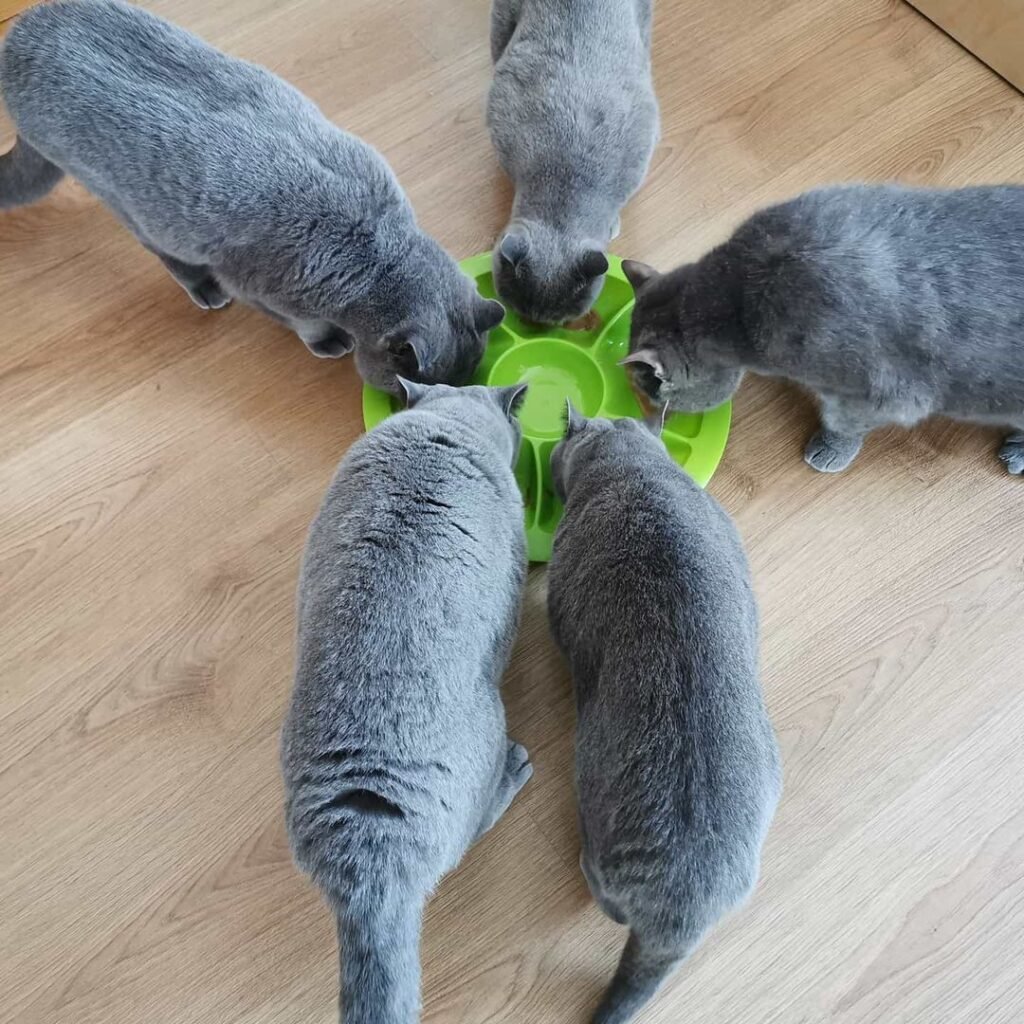
Adopting a British Shorthair kitten can be an incredibly rewarding experience, as these charming felines are known for their friendly demeanor, distinctive appearance, and laid-back personality. However, bringing a new kitten into your home requires careful planning and consideration to ensure a smooth transition for both you and your new furry companion. This step-by-step guide will walk you through the entire adoption process, from understanding the breed and preparing your living space to finding a reputable source and providing the best care for your adorable British Shorthair. Whether you’re a first-time pet owner or an experienced cat lover, this guide will help you navigate the journey of welcoming a kitten into your life.
Understanding the British Shorthair Breed
History and Origins
The British Shorthair’s journey began with the Romans, who brought their cats to England to control the rodent population (and let’s be real, to look fabulous while doing it). These cats developed into a sturdy and resilient breed, known for their robust bodies and charming round faces. Fast forward to the 19th century, and the British Shorthair was officially recognized as a breed, thanks in part to their impressive presence at cat shows. Today, they strut their stuff as one of the most beloved cat breeds, famous for their plush coats and a lineage steeped in history.
Physical Characteristics
If you’re looking for a cat with some serious charm, the British Shorthair has it in spades. They are the heavyweight champions of the feline world, sporting stocky frames and muscular builds. With round faces, dense coats that come in a stunning array of colors (including the iconic ‘British Blue’), and vivid copper or gold eyes, these cats are often as easy on the eyes as they are delightful in personality. Their plush fur feels like a warm hug, and they have a playful swagger that makes them look like they own the place—because, let’s face it, they probably do.
Personality Traits
British Shorthairs are known for their easygoing demeanor; they’re the laid-back friend everyone calls to binge-watch a show. They might not be the most vocal cats, but when they do choose to speak, their soft, low voice is just irresistible. These cats are affectionate without being clingy, making them perfect companions for the busy homebody. They enjoy their independence but still love curling up with you for a cozy cuddle session. Just remember, they’ll let you know when they’re in the mood for attention—consider it a royal decree.
Preparing Your Home for a Kitten
Safety Considerations
Before you welcome your brand-new furball, ensure that your home is a safe haven worthy of royalty. Start by removing any hazardous items such as sharp objects, toxic plants (goodbye, peace lilies!), and anything that could be a choking hazard. Make sure that small gaps, electrical cords, and open windows are secured. British Shorthair kittens are curious creatures, and they’ll find a way to explore every nook and cranny—so a little pre-kitten baby-proofing can go a long way!
Creating a Comfortable Space
Every little prince or princess deserves their own castle! Designate a cozy area that includes a comfortable bed, food and water bowls, and a litter box. You might want to add some toys to keep your kitten entertained (because who doesn’t love a good feather toy chase?). It’s crucial to keep their space quiet and away from the hustle and bustle of your home, especially during the initial adjustment period. A soft blanket or a cushy cat bed can help create a snuggly retreat where they can feel safe and sound.
Kitten-Proofing Your Home
Time to channel your inner Indiana Jones and embark on a quest for kitten-proofing! Ensure that cabinets are secured and that any dangerous household items, such as cleaning products or medications, are out of reach. Hide away any breakables and choose cat-friendly furnishings—because let’s be honest, your favorite vase might not survive the ninja-like agility of a playful kitten. Lastly, securing cords and removing small objects from the floor is crucial for keeping your little adventurer safe during their escapades.
Finding a Reputable Breeder or Shelter
Researching Breeders
Embarking on the journey to find your British Shorthair kitten starts with a little detective work. Seek out breeders who are well-reviewed and have a good reputation in the cat community. Look for those who prioritize health testing, socialization, and a clean, loving environment. A reliable breeder will be more than happy to share details about their breeding practices and the kitten’s lineage. Remember, adopting a kitten is a commitment, so ensure you’re cozy with your choice before making it official!
Visiting Shelters
If you’re leaning towards adopting rather than buying, local shelters are a wonderful place to start. Check out animal rescues and shelters in your area that may have British Shorthair kittens available for adoption. This is a fantastic option not just for finding your new furry friend but also for giving a deserving cat a loving home. Be prepared to spend some time at the shelter—your future cuddle buddy might just be waiting for you to walk through the door!
Questions to Ask
When meeting breeders or shelter staff, asking questions can help you gauge their knowledge and care standards. Inquire about health screenings, vaccination histories, and any specific care needs your kitten might have. Don’t hesitate to ask about the temperament of the kitten and how they’ve been socialized. A responsible breeder or shelter worker should be happy to provide you with all the info you need—after all, you’re looking for a perfect match, not just a pretty face!
The Adoption Process: What to Expect
Application and Screening
Congratulations, you’re one step closer to becoming a cat parent! The adoption process typically begins with an application form. This will include basic questions about your home environment, previous pet experience, and how you plan to care for your new furry friend. Shelters and breeders often have screening processes in place to ensure their kittens are going to loving and responsible homes—so don’t be surprised if they dig a little into your background (heh).
Home Visits and Interviews
Some breeders or shelters may require a home visit or interview as part of their adoption process. This isn’t an audition for a reality show, but rather a way for them to ensure that your home is ready for a new kitten. They might look around your space and discuss your family dynamics, lifestyle, and any existing pets, just to ensure everyone will live happily ever after. Be honest, relaxed, and show them your enthusiasm for welcoming a new furry friend into your life!
Adoption Fees and Contracts
Once you’ve successfully navigated the application and interview processes, it’s time for the fine print! Expect to pay an adoption fee, which typically covers vaccinations, spaying/neutering, and other essential vet care. You’ll likely also need to sign an adoption contract that outlines your responsibilities as a pet parent. But fear not; those terms are usually in place to ensure the best for your new kitty. After that, you’ll be ready to bring your British Shorthair home and begin your life together—cue the happy dance!
Essential Supplies for Your New Kitten
Food and Water Bowls
Before you bring home your British Shorthair kitten, it’s essential to stock up on food and water bowls. Look for sturdy, non-slip bowls that can withstand enthusiastic kitty antics. Stainless steel or ceramic options are great since they’re less likely to tip over and are easier to clean than flimsy plastic. Make sure to fill one bowl with high-quality kitten food (little ball of fluff needs all the nutrients for their royal growth) and keep another filled with fresh water. Hydration is key—just ask any cat!
Litter Box and Bedding
Next up, let’s talk about the litter box and cozy bedding—because who doesn’t love a good nap? Choose a litter box that’s not too high for your tiny furball to jump into but large enough for them to grow into. Clumping litter is often a hit with kittens. As for bedding, consider a soft, warm bed they can curl up in after a long day of chasing their tail (or your shoelaces). Don’t forget a couple of blankets for extra snuggles!
Toys and Enrichment Items
Kittens are paws-itively full of energy and curiosity, so don’t skimp on toys! Opt for a mix of interactive toys, such as feather wands and laser pointers (perfect for keeping your sofa safe). Also, consider some catnip-filled goodies and puzzle toys to keep their little minds engaged. Your British Shorthair will be the happiest fluffball around with the right mix of toys to satisfy their inner hunter and playful spirit.
Introducing Your Kitten to the Family
First Impressions Matter
When it comes to first impressions, we all know they matter, and kittens are no exception! Create a calm environment for your new British Shorthair when they first arrive. Set up a quiet space with their bed, toys, and litter box, then give them a moment to acclimate. Let them explore their new kingdom at their own pace—it’s all about making those early moments as stress-free as possible.
Managing Introductions with Other Pets
If you have other pets, introducing them to the new kitty is like a delicate dance. Start with scent introductions by swapping bedding or toys between them. Once they’ve gotten used to each other’s smells, you can supervise brief meetings. Keep a close eye on their body language (no one wants a kitty smackdown!) and ensure it’s all positive vibes. Remember, slow and steady wins the race (or in this case, the cuddles).
Creating Positive Interactions
To build a bond between your new kitten and the family, try positive reinforcement! Treats and gentle petting can be your best friends. Encourage your family members to engage in playtime, but remind them to let the kitten dictate the pace—if they want to run away every time Uncle Bob gets too close, that’s just fine! Creating positive experiences will help your kitten grow into a friendly and sociable adult cat.
Health Care and Regular Vet Visits
Initial Health Check and Vaccinations
Once you’ve welcomed your British Shorthair into your home, the first order of business should be to schedule that initial vet visit. Your fluffy new family member will need a thorough health check and vaccinations to ensure they’re ready to take on the world (or at least your living room). Your vet will also guide you in setting up a vaccination schedule and discuss a suitable diet for your growing kitten.
Spaying/Neutering Considerations
Ah, the age-old question: to spay or to neuter? If you’re not planning to start your kitten’s kitty empire, it’s best to consider spaying or neutering. This procedure can prevent a host of health issues down the line and curb certain unwanted behaviors (like that mysterious midnight serenade). Talk to your vet about the best timing and what to expect—because nothing says “welcome to adulthood” like a little snip-snip!
Regular Health Monitoring
Once your British Shorthair is all checked out and vaccinated, it’s vital to maintain regular vet visits to monitor their health. Kittens grow quickly, and their needs change just as fast. Regular check-ups can help catch any potential issues early, keep vaccinations up to date, and keep that purring machine in tip-top shape. Plus, this sets the stage for a lifelong relationship with your vet—who doesn’t love a regular payday for furry belly rubs and cheek scratches?
Training and Socialization Tips for Your Kitten
Basic Commands and Training Techniques
Believe it or not, training your British Shorthair can be a rewarding experience filled with cute moments! Start with basic commands like “sit” or “come”—you’ll be surprised at how quickly they can pick things up. Use positive reinforcement like treats and praise to encourage good behavior. Remember, patience is key; they might not be as quick to learn as a dog, but hey, they’re cute while they figure it out!
Socializing with People and Other Animals
Socialization is the name of the game for your little royal. Expose them to different people, pets, and situations gradually and positively. Invite friends over (with treats in hand) to help your kitten learn that new faces aren’t so scary after all. Keep the interactions short and sweet, and let your kitten retreat if they need some alone time—nobody likes a forced hangout!
Behavioral Issues and Solutions
Every kitten comes with its quirks, and sometimes those quirks can lead to behavioral issues. Whether it’s a penchant for knocking over houseplants or an affinity for your favorite sweater, addressing these behaviors early is crucial. Provide appropriate outlets for their energy, like scratch posts and playtime. If a particular behavior becomes concerning, don’t hesitate to reach out to a vet or a feline behaviorist. After all, we don’t want our charming little fluffballs turning into furry tornadoes of chaos!In conclusion, adopting a British Shorthair kitten can bring joy and companionship to your life, but it also comes with responsibilities and commitments. By following this step-by-step guide, you can ensure that you’re well-prepared to provide a loving and nurturing environment for your new feline friend. Remember that patience and understanding are key as you both adjust to each other’s presence. Embrace the journey ahead, and enjoy the countless moments of love and happiness that your British Shorthair will undoubtedly bring.
Frequently Asked Questions
1. How much does it cost to adopt a British Shorthair kitten?
The cost of adopting a British Shorthair kitten can vary widely depending on the breeder or shelter, location, and whether the kitten has been vaccinated or spayed/neutered. On average, adoption fees can range from $500 to $2,000.
2. What food should I feed my British Shorthair kitten?
It’s important to provide a high-quality, nutritionally balanced kitten food that meets their specific dietary needs. Look for brands that offer a good balance of protein, fats, and essential nutrients, and consult your veterinarian for recommendations based on your kitten’s health.
3. How do I socialize my British Shorthair kitten?
Socialization should begin as soon as you bring your kitten home. Introduce them gradually to different environments, people, and other pets. Positive reinforcement, such as treats and praise, will encourage good behavior and help them feel comfortable in various situations.
4. Are British Shorthairs hypoallergenic?
No, British Shorthairs are not considered hypoallergenic. While no cat is completely free of allergens, their dense fur may produce less dander compared to some other breeds. However, if you have allergies, it’s best to spend time with the breed before adopting to see how you react.