
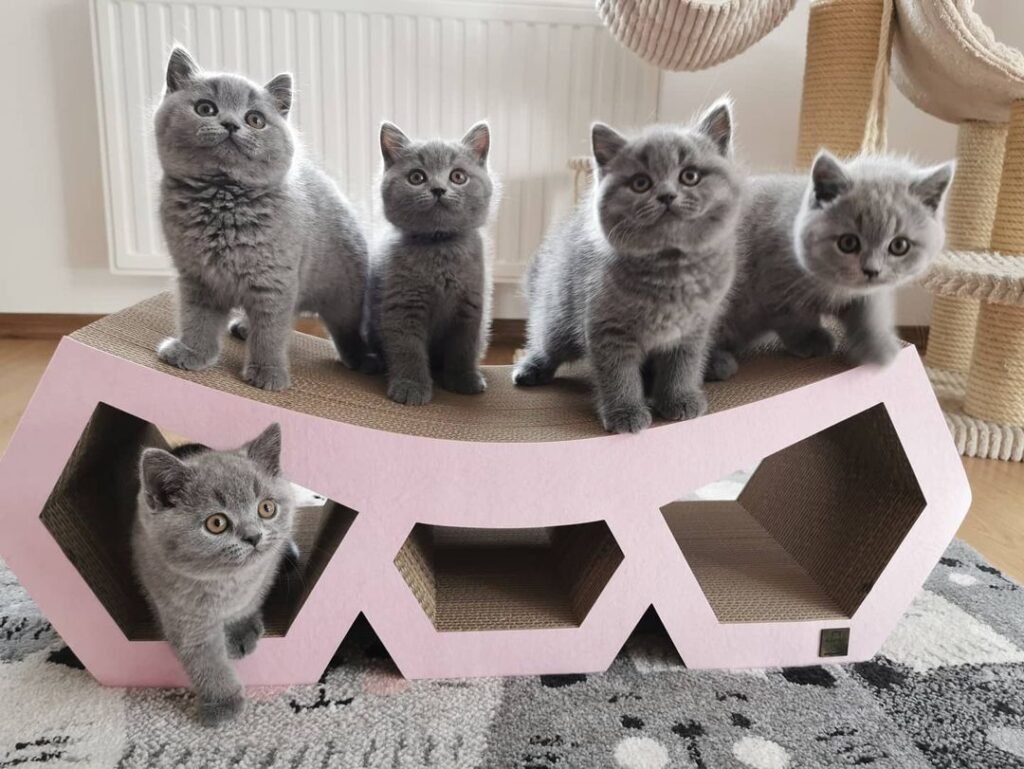
The British Shorthair kitten is a delightful addition to any home, captivating cat lovers with its plush coat, round face, and charming personality. Renowned for their affectionate yet independent nature, these kittens are not just pets; they become cherished family members. With a rich history and an array of stunning color variations, British Shorthairs embody a unique blend of resilience and sweetness. As you embark on the journey of welcoming one of these adorable felines into your life, understanding their needs, characteristics, and care requirements is essential to ensure a harmonious and fulfilling companionship. Explore the irresistible charm of British Shorthair kittens and discover why owning one might just be the best decision you ever make.
The Allure of British Shorthair Kittens
A Brief History of the Breed
The British Shorthair has a history that stretches back to ancient Rome when these charming cats were used as vermin hunters. With their robust bodies and dense coats, they became popular among cat lovers over time. After World War II, breeders worked hard to revive the breed, and voilà—those squishy faces and adorable chubby cheeks made their way into our hearts. Today, they hold a special place in British culture, appearing in everything from art to literature.
Why They Are So Popular
Why, you ask, are British Shorthairs all the rage? Well, besides their undeniable cuteness, they strike the perfect balance between independence and affection. They’re the kind of cats that can lounge around all day and still have a knack for being the life of the party when they want to. Add to that their plush fur and unique personality, and you’ve got a recipe for feline fandom.
Characteristics and Personality Traits
Physical Features
British Shorthairs are like furry little tanks, boasting a sturdy and round appearance. Their large, round eyes can be copper, gold, or blue (if you’re lucky enough to meet a lilac or cream). With a broad, flat face and thick, plush coat, they look like they’ve just rolled out of a high-fashion magazine – all they need is a tiny beret and a mocktail!
Temperament and Behavior
These cats have a calm and friendly demeanor, making them perfect companions for families. They’re not the clingy type, but they still crave your attention—think of them as introverted extroverts. Their playful yet laid-back nature means that whether you’re in the mood for a spirited game of chase or just cuddling on the couch, a British Shorthair is right there with you, purring like a content little engine.
Socialization with Other Pets
British Shorthairs generally get along well with other pets, thanks to their easygoing nature. They’re like that friend who can mingle at any party and get along with everyone—dogs, cats, and even the occasional hamster! However, a proper introduction is key; after all, nobody wants a feline drama!
Care and Maintenance Requirements
Diet and Nutrition
Feeding your British Shorthair is an art—think Picasso, not finger painting! A balanced diet with high-quality protein is crucial, as they can be prone to obesity. Keep that adorable fluffball healthy by mixing in some wet and dry food, and make sure they have plenty of fresh water. Just remember, no late-night snacking!
Grooming Needs
Luckily, British Shorthairs come with short fur that requires minimal grooming—talk about a low-maintenance diva! A weekly brush will help keep their coat shiny and free of loose fur, while you enjoy some quality bonding time. And while you’re at it, don’t forget to check their ears and trim those claws; a pampered cat is a happy cat!
Exercise and Playtime
Though they may look like little cushions, British Shorthairs need regular exercise to stay fit and happy. Playtime with interactive toys, like feather wands or laser pointers, will keep your kitten entertained and engaged. Just imagine the adorable sight of them chasing after that red dot—it’s pure comedy gold!
Choosing the Right British Shorthair Kitten
Identifying a Reputable Breeder
Finding a reputable breeder is crucial for ensuring your new furry friend is healthy and well-socialized. Look for breeders who prioritize the well-being of their kittens, can answer all your questions, and provide health guarantees. If they meet you with a litter of squishy fluffballs and a knowledgeable smile, you might just have hit the jackpot!
Signs of a Healthy Kitten
When meeting potential kittens, keep an eye out for bright eyes, shiny coats, and a playful demeanor. Healthy kittens are curious and energetic, while sick ones might be lethargic and disinterested. Remember, the cuteness factor is important, but their health should be your top priority!
Understanding Color Variations
British Shorthairs come in a fabulous array of colors and patterns—from classic blues to rich creams, and even tabby or bicolor options. While color doesn’t define their personality, it sure does make them stand out! Choose the shade that calls to you and your heart will surely thank you later.
Health Considerations and Lifespan
Common Health Issues
British Shorthairs are generally robust, but they can have their share of health quirks. Look out for conditions like hypertrophic cardiomyopathy (HCM), which is a fancy term for a thickened heart muscle that can lead to heart failure if not managed properly. Additionally, their adorable squished faces can sometimes lead to breathing issues and eye conditions. Regular check-ups will help catch any potential hiccups before they become a real headache.
Regular Veterinary Care
Just like us, your British Shorthair needs a little TLC from the vet! Routine check-ups, vaccinations, and parasite control are essential to keeping your furry friend purring like a well-oiled machine. Remember, prevention is better than a Google-search panic at 2 a.m. So, make those vet appointments as frequent as your coffee runs!
Life Expectancy and Aging
With the right care, a British Shorthair can live to be 12 to 20 years old—almost as long as that college sweatshirt you can’t bear to part with! As they age, it’s crucial to monitor their health, adjust their diet, and keep them active. Aging gracefully is an art, even for our feline pals, so be prepared to pamper them more and maybe invest in a cozy orthopedic bed.
Training Your British Shorthair
Basic Commands and Obedience
Training a British Shorthair is less about “sit” and “stay” and more about reminding them who’s in charge (spoiler: it’s usually them). Start with basic commands using positive reinforcement—think treats and chin scratches. They’ll catch on eventually, though you might often find yourself negotiating with a furry diva instead of a diligent student!
Litter Box Training
Good news! British Shorthairs come with a natural inclination to use the litter box, so your main task is picking the right one. Opt for a low-sided box for easy access and keep it clean—no one wants a grumpy cat! If your kitten has a sudden aversion to the box, it could be a sign of a health issue or box preference. Time to investigate!
Dealing with Behavioral Issues
Every kitty has its quirks, and British Shorthairs are no exception. If your little fluffball suddenly starts acting out—like knocking over your favorite plants or launching a stealth attack on your ankles—don’t panic. Assess whether they’re bored or stressed, and consider enrichment activities like puzzle toys and climbing structures. Sometimes, all it takes is a little distraction to turn a feline monster back into a cuddly companion.
Adoption vs. Breeding: What You Need to Know
Benefits of Adoption
Adopting a British Shorthair can be one of the most rewarding experiences! You’ll be giving a deserving kitty a warm home while helping to combat pet overpopulation. Plus, adopted cats tend to be fully vetted and often come with delightful personalities. Who wouldn’t want to rescue their future cuddle buddy?
Considerations for Buying from Breeders
If you go the breeder route, ensure you choose a reputable one. Look for health guarantees, ask about genetic testing, and confirm their breeding ethics. While you might pay a little more, you can often find a kitten that’s been raised in a loving environment, setting the stage for a healthy and well-socialized pet.
Understanding Costs and Commitments
Whether adopting or purchasing, kittens come with costs extending well beyond the initial price tag. Factor in food, litter, toys, grooming, and vet bills. Plus, they need your time and love—so make sure your schedule can accommodate a little fluffiness! It’s a long-term commitment that comes with endless joy (and a few hairballs).
Creating a Loving Home for Your New Companion
Essential Supplies and Setup
Before bringing your British Shorthair home, gather the must-have supplies: food and water dishes, a cozy bed, scratching posts, and, of course, a litter box. Cat trees are a bonus—they’re basically cat furniture for their royal highness! Set up a quiet space for them to explore and get comfy; trust me, they’ll appreciate it.
Establishing Routines
Cats thrive on routine as much as a morning person loves coffee. Regular feeding times, play sessions, and cuddle breaks will help your British Shorthair feel more secure. Plus, you’ll both get to enjoy some quality bonding time—cue the adorable purring!
Building a Bond with Your Kitten
Building a bond with your furry friend takes time and patience. Use gentle play, treats, and lots of petting to win their heart. Make sure to respect their space when they need it—think of it as giving them the royal treatment they deserve. Before you know it, you’ll have a loyal companion who thinks you’re the cat’s pajamas!In conclusion, bringing a British Shorthair kitten into your home is a rewarding experience that promises joy and companionship. By understanding their unique traits and requirements, you can create a loving environment that allows your new furry friend to thrive. Whether you choose to adopt or buy, the bond you form with your British Shorthair will be filled with cherished moments and delightful memories. Embrace the journey, and let the irresistible charm of these kittens enrich your life.
Frequently Asked Questions
1. How much do British Shorthair kittens typically cost?
The cost of British Shorthair kittens can vary widely based on factors like breeder reputation, location, and lineage. Generally, prices can range from $1,000 to $3,000.
2. Are British Shorthairs good with children and other pets?
Yes, British Shorthairs are known for their calm and friendly demeanor, making them great companions for children and other pets. Early socialization helps them adapt well in multi-pet households.
3. How often should I groom my British Shorthair?
British Shorthairs have dense coats that benefit from regular grooming. Brushing once a week is usually sufficient to keep their fur healthy and reduce shedding.
4. What kind of diet is best for a British Shorthair kitten?
A high-quality, balanced diet formulated for kittens is essential for their growth and development. Look for food rich in protein and appropriate for their age and size.