
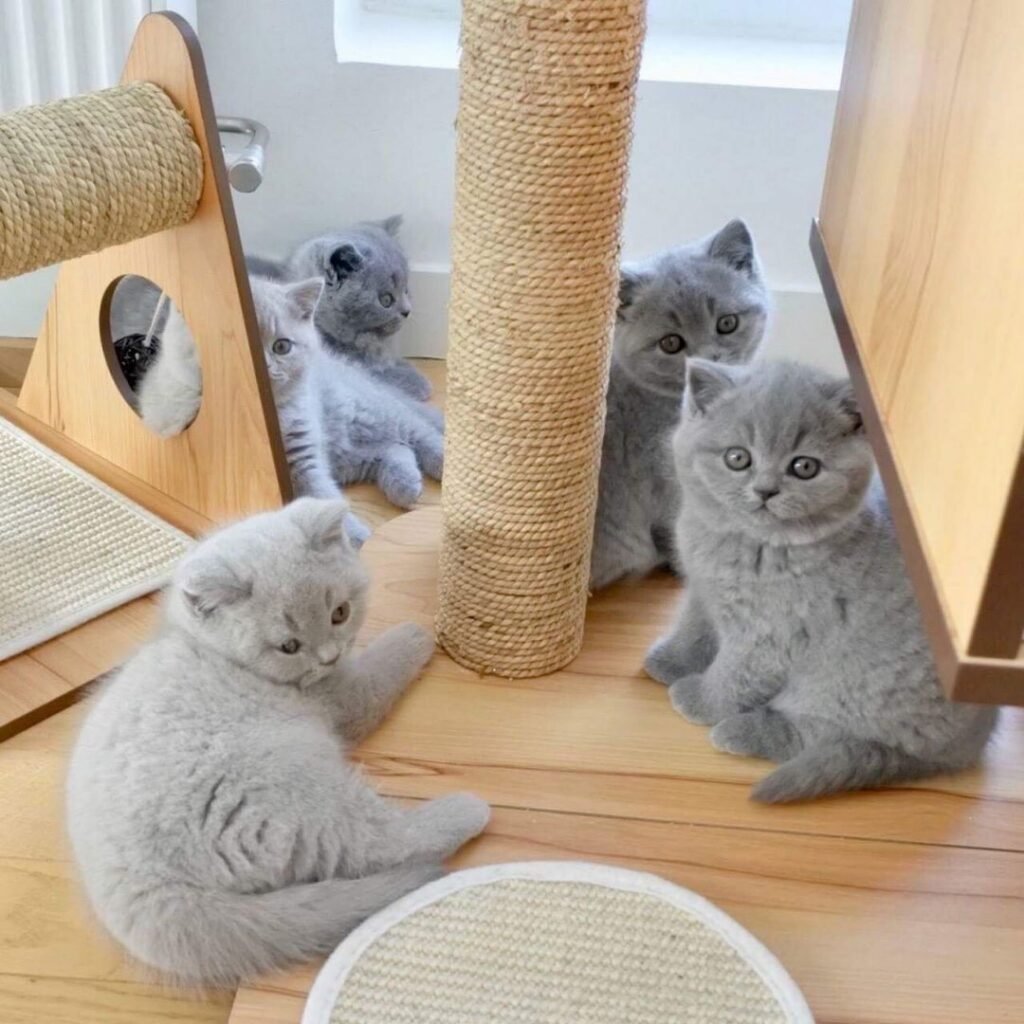
British Shorthair cats have captured the hearts of feline enthusiasts around the world with their charming personalities and distinctive appearance. Known for their plush coats, round faces, and stocky build, these cats are not only a popular choice among pet owners but also come with a range of price tags that can vary significantly across the United States. In this article, we will explore the surprising costs associated with acquiring and caring for British Shorthairs, delving into the factors that influence their prices, regional variations, and the long-term financial commitments involved in bringing one of these beloved companions into your home. Whether you’re a potential buyer or simply curious about this breed, you’ll gain valuable insights into what it truly takes to own a British Shorthair cat.
Overview of British Shorthair Cats
British Shorthair cats are the cuddly, plush teddy bears of the feline world, known for their stocky build, round faces, and dense coat. They’ve charmed cat lovers with their gentle demeanor and almost regal presence. Originally bred from domestic cats in Britain, these cats have a rich history that dates back to Roman times, making them true “purr-tioners” of the feline craft.
History and Origin
The British Shorthair has a fascinating lineage stretching back to Roman Britain when cats were brought over to tackle pesky rodents. Over the centuries, they evolved from scrappy survivalists into the beloved pets we know today, thanks to careful breeding in the late 19th century. With a dash of British charm and a pinch of feline elegance, they became stars at cat shows, leading to their recognition as a distinct breed by various cat registries.
Physical Characteristics
These cats are like the bodybuilders of the kitty world, sporting a robust, muscular physique complemented by a plush coat that feels like a soft cloud. Their round faces are adorned with big, expressive eyes, usually copper or blue, depending on their color. They come in a variety of shades, from classic blue-gray to cream, black, and even spotted patterns, making them as diverse in appearance as they are in personality.
Personality Traits
Don’t let their stoic looks fool you! British Shorthairs are affectionately known for their easygoing and friendly demeanor. They’re the cuddly companions that will sit quietly by your side—or take a leisurely nap on your laptop while you work. They enjoy playful antics but are more the “calm observer” type, always ready to lend a paw when needed. They thrive on companionship and will warm up to you, but they also value their independence, making them the perfect blend of affectionate yet self-sufficient.
Factors Influencing the Cost of British Shorthairs
When it comes to pricing, the cost of a British Shorthair can swing wildly based on several factors, transforming your budget into a rollercoaster ride of feline fandom. Let’s unpack what influences that price tag!
Age and Gender
Age is more than just a number—it’s a price influencer! Kittens tend to carry a heftier price tag compared to their adult counterparts because, well, who can resist that adorable fluff? Gender also plays a role; male cats often command higher prices due to their breeding potential, while females may be sought after for their maternal charm.
Health and Vaccination Status
Like any savvy consumer, you want to ensure your investment is healthy! British Shorthairs that come with health clearances and up-to-date vaccinations might cost more upfront but can save you a heap of vet bills down the line. When buying a cat, it’s worth asking for health records—consider it your very own cat version of a credit score!
Physical Traits and Color Variations
Rare colors and specific physical traits can send prices soaring. For example, if you’re eyeing a striking British Shorthair with a rare color or pattern, be prepared to part with some extra cash. Remember, in the cat world, uniqueness comes at a price—and trust us, they know how to work it!
Regional Price Variations Across America
Just like how coffee prices fluctuate from Seattle to Miami, the cost of British Shorthair cats varies widely across the United States. Buckle up, let’s take a look at these regional price differences!
Cost in Urban vs. Rural Areas
Urban areas often have higher demand and limited supply, which can lead to inflated prices for British Shorthairs. In contrast, rural regions may offer them at lower costs due to less competition. If you’re looking for a deal, consider venturing away from the big city—your future feline friend might just be waiting for you at a country cattery!
Regional Breeder Pricing Trends
Different regions have different breeder practices and pricing trends. For instance, breeders in the Northeast might price their cats higher due to increased demand and an elite breeding reputation, while those in the Midwest may offer more competitive rates. Checking various breeders across regions can help you snag the best possible deal while finding a reputable source.
Initial Purchase Costs vs. Ongoing Expenses
Buying a British Shorthair is just the start of your financial commitment. Let’s break down the costs you’ll face as a new cat parent!
One-Time Purchase Costs
Be prepared to shell out a decent sum for your new furry companion. The initial purchase price for a British Shorthair can range anywhere from $800 to over $3,000, depending on factors like pedigree, age, and breeder reputation. This is where that emotional “purchase high” meets the hard reality of your wallet—make sure you’re ready for it!
Long-Term Care and Maintenance Expenses
Once you’ve got your British Shorthair, the costs don’t stop there. Food, litter, regular vet visits, and grooming can add up. Expect to spend around $1,000 to $1,500 annually on these essentials. Don’t forget the occasional toy or scratching post to keep your little monarch entertained! Remember, it’s not just a pet; it’s an investment in love, companionship, and a never-ending supply of cat videos.
Comparing Breeder Prices vs. Adoption Fees
Advantages of Buying from Breeders
When you opt for a breeder, you’re often investing in a cat with a known lineage, good health guarantees, and a wealth of personality traits. These breeders dedicate time and resources to breeding healthy, well-socialized kittens. Plus, you can often find specific color patterns or characteristics that tickle your fancy! It’s like shopping for a tailored suit instead of a generic one from a thrift shop—no surprises, just exactly what you want.
Benefits of Adopting from Shelters
Adoption can be a win-win situation: you save a life and save a bit of cash while you’re at it! Adoption fees are generally lower than breeder prices and often include vaccinations, spaying/neutering, and a little kitty starter pack. Plus, when you adopt, you’re giving a deserving cat a chance at a loving home. It’s like hitting two birds with one stone—though we recommend a cute toy instead of an actual stone.
The Impact of Pedigree and Bloodlines on Pricing
Understanding Pedigree Certification
Pedigree certification is like a cat’s birth certificate, but fancier and with a splash of drama. It documents the lineage of a cat, showcasing a lineage that could rival some royal families. Cats with prestigious pedigrees often come with higher price tags because, well, they’ve got a reputation to maintain! Knowing their family background can also give you insights into potential health issues or personality traits.
High- vs. Low-Quality Breeding
High-quality breeding often means a focus on health, temperament, and adherence to breed standards, which can lead to a higher price. Low-quality breeders might cut corners—think of it as the fast food of cat breeding. You might save a few bucks, but you could end up with a kitty that’s got more health issues than your old car. In the end, it’s better to invest in a cat that has been bred with love and care, rather than one that might leave you with unexpected vet bills and a touching-but-tragic saga to tell.
Tips for Finding a Reputable Breeder
Key Questions to Ask Breeders
When hunting for a breeder, it’s essential to arm yourself with questions that can separate the purr-fect from the not-so-purr-fect. Ask about health screenings, the breeding environment, and of course, their socialization practices. Don’t be shy; you want to know who you’re getting into this relationship with! A knowledgeable breeder should be happy to share their insights, and if they seem dodgy, it might be time to say “next!”
Recognizing Red Flags
Watch for warning signs that could indicate you’re dealing with a less-than-stellar breeder. If they’re evasive in answering your questions, refuse to show you the living conditions, or try to push you into a sale, it’s time to put your cat-hunting boots back on. A reputable breeder will welcome transparency and even encourage you to meet the kittens’ parents—because who wouldn’t want to show off their adorable family?
The Value of British Shorthair Cats as Companions
Health Benefits of Pet Ownership
Owning a British Shorthair (or any pet, really) can come with a plethora of health benefits. Studies show that petting a cat can lower stress levels, decrease anxiety, and even lower your blood pressure. Plus, let’s be honest—nothing beats the joy of a fluffy feline jumping onto your lap and demanding attention. It’s like having your very own furry therapist, minus the hourly rates!
Understanding the Commitment of Cat Ownership
Before you dive headfirst into cat ownership, consider the commitment involved. It’s not just about having a cute companion; it’s a lifelong responsibility. British Shorthairs can live for 15 years or more, so you’re signing up for a long-term relationship—kind of like a Netflix binge that never ends! Make sure you’re ready for the cuddles, grooming, and occasional litter box duties before bringing one home. But trust us, the love you’ll receive in return is worth every moment! In conclusion, owning a British Shorthair cat can be both a rewarding and financially significant commitment..
Frequently Asked Questions
What is the average cost of a British Shorthair cat in the U.S.?
The average cost of a British Shorthair cat can range from $1,500 to $3,000, depending on factors such as the breeder’s reputation, the cat’s pedigree, and geographic location.
Are British Shorthair cats expensive to maintain?
Yes, beyond the initial purchase price, British Shorthair cats can incur ongoing expenses such as food, regular veterinary care, grooming, and supplies, which can add up over time.
Is it better to adopt a British Shorthair or buy from a breeder?
Both options have their benefits. Adopting from a shelter can be more cost-effective and provides a home to a cat in need, while purchasing from a reputable breeder may offer health guarantees and a clearer pedigree.
What should I look for in a reputable breeder?
When selecting a breeder, look for transparency regarding health testing, positive references, clean living conditions, and a willingness to answer your questions about their breeding practices.