
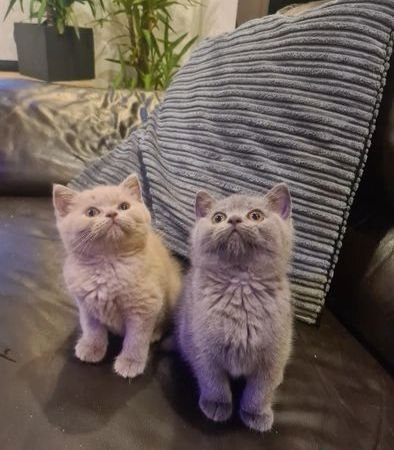
Allergies are a common concern for many pet owners, particularly for those considering bringing a cat into their homes. Among the various cat breeds available, the British Shorthair is often discussed in the context of hypoallergenic properties. With their plush coats and affectionate nature, these felines can be quite alluring, but how do they truly measure up when it comes to allergens? This article delves into the relationship between British Shorthairs and allergies, exploring what it means for a breed to be hypoallergenic, the common allergens associated with cats, and whether or not British Shorthairs are a suitable choice for allergy sufferers.
Introduction to Allergies and Cat Breeds
What Are Allergies?
Allergies are your immune system’s way of throwing a tantrum over harmless substances, also known as allergens. When your body encounters these intruders, it can produce symptoms ranging from itchy eyes to sneezing fits, or even more serious reactions. Common culprits include pollen, dust mites, and yes, your furry friends. Essentially, your body is in constant battle mode, mistaking these innocent agents for life-threatening foes.
Types of Allergies Related to Pets
Pet allergies typically fall into two categories: those caused by proteins found in their skin cells (dander), saliva, and urine. If you’ve ever experienced itchy eyes after cuddling a cat, it’s likely because of these proteins. Additionally, exposure to the tiny dander particles that float around like confetti after a cat has been in the room can lead to various allergic reactions. So, while your cat may think it’s all fun and games, your immune system may feel otherwise.
Overview of British Shorthairs
History and Characteristics of the Breed
The British Shorthair is a breed with a royal pedigree, tracing its roots back to the ancient Romans who brought the first felines to Britain. Known for their robust build, round faces, and plush coats, British Shorthairs are the quintessential “couch potato” of the cat world. They come in a variety of colors, but their signature blue coat has stolen many hearts. These cats are practically royalty, boasting a dignified attitude as they survey their kingdom from the coziest spot in the house.
Temperament and Health Considerations
British Shorthairs are not just a pretty face; they have a personality to match. Generally calm and easygoing, they are known for being affectionate but not overly clingy. Think of them as the introverted friend who enjoys your company but still appreciates their personal space. In terms of health, they can be prone to certain issues like hypertrophic cardiomyopathy (HCM) and obesity, so keeping an eye on their diet and exercise is essential. Regular vet visits and some hearty playtime will keep your little royal in tip-top shape!
What Does Hypoallergenic Mean?
Defining Hypoallergenic Pets
The term “hypoallergenic” is often thrown around like confetti at a wedding, but what does it really mean? In the pet world, it refers to animals that are less likely to trigger allergic reactions in sensitive individuals. This doesn’t mean they’re completely allergen-free, but they typically produce lower levels of allergens that can cause irritation. Think of them as the “light” version of regular cats; they might still cause a sniffle, but it’s a much milder experience.
Common Misconceptions About Hypoallergenic Breeds
One of the biggest misconceptions is that hypoallergenic pets don’t shed hair. Surprise! They still shed, but their dander and saliva may be less allergenic. Another myth is that all hypoallergenic breeds are guaranteed to be allergy-friendly for everyone. Allergies are as unique as the individuals who suffer from them, so what might trigger one person could be a walk in the park for another. Always do your research and spend time with a breed before bringing them home if allergies are a concern.
Common Allergens in Cats
Proteins Responsible for Allergies
The primary offenders behind cat allergies are proteins found in their skin cells (dander), saliva, and urine. These proteins, specifically Fel d 1, are notorious for causing havoc among allergy sufferers. When cats groom themselves, they spread saliva, which dries and becomes airborne dander. So, it’s not just the fur we see floating around; it’s the microscopic foes that make your eyes itch and your nose run.
Other Allergens Beyond Fur
While most discussions revolve around fur and dander, other allergens can hide in plain sight. Dust, pollen, and mold can all hitch a ride on your cat’s fur, creating a lovely cocktail of allergens that could make anyone sneeze. Even the litter box can contribute to respiratory woes if not kept clean. So, owning a cat requires a little extra housekeeping—not just for the loveable furball but for your own health as well!
Factors Affecting Allergen Production
Saliva, Urine, and Skin Dander
When it comes to cat allergens, it’s not just about sneezes and itchy eyes; it’s about a trifecta of trouble: saliva, urine, and skin dander. Cats, including the British Shorthair, produce a protein called Fel d 1 found in their saliva, urine, and skin. When your furry friend grooms themselves, that protein gets spread around like confetti at a party—everywhere, including on your furniture and in the air. Unfortunately, those with allergies are usually not throwing a confetti party when they come into contact with it.
Influence of Diet and Environment
Just like us, what your cat eats can have a significant impact on their allergen production. Diets high in quality protein may result in less allergenic proteins in their saliva. Additionally, the environment plays a role; a clean, low-dust home can mean fewer allergens in the air, helping allergy sufferers breathe just a bit easier. Think of it as managing your cat’s spa day—less grooming, less saliva flying around!
Comparing British Shorthairs to Other Breeds
Hypoallergenic Cat Breeds Overview
The term “hypoallergenic” can be a bit misleading, as it suggests a magic barrier between you and all the nose-whitening proteins. Hypoallergenic cat breeds, like the Siberian and Balinese, may produce fewer allergens, making them more suitable for sensitive folks. But let’s be honest: if you’re looking for a cat that’s entirely free of allergens, it might be like searching for a unicorn.
Allergenic Potential of British Shorthairs
Now, where does the British Shorthair fit into this feline allergen puzzle? While they might not rank at the top of the hypoallergenic list, they are also not the worst offenders. Their dense, plush coat doesn’t shed excessively compared to some breeds, potentially reducing airborne allergens. But remember, less shedding doesn’t mean allergy-free—those little allergens can still be lurking in the shadows, waiting to pounce!
Managing Allergies Around Cats
Reducing Allergen Exposure in the Home
If you’re determined to coexist with a British Shorthair despite existing allergies, there are steps you can take to reduce allergen exposure. Regular cleaning is your new best friend—vacuuming, dusting, and washing fabric surfaces can help keep those allergens at bay. Consider investing in an air purifier; it might just be the secret weapon you need in your battle against airborne allergens. And don’t forget to designate a “no-cat zone” in your home—your bedroom is your sacred sanctuary!
Allergy Treatments and Prevention Strategies
In addition to home management, allergy sufferers might want to explore medication options. Antihistamines and nasal sprays can provide relief for those stubborn sniffles. Immunotherapy, or allergy shots, is another avenue worth investigating—think of it as the ultimate long-term relationship with your allergens. But always consult with a healthcare professional before embarking on new treatments; they’ll help ensure you’re not turning your cat’s affection into a sneeze-fest!
Conclusion: Are British Shorthairs Right for Allergy Sufferers?
Final Thoughts on Breed Selection
Choosing the right cat when you suffer from allergies can feel like navigating a minefield. British Shorthairs may not be the most hypoallergenic option out there, but they can still be a viable choice for those with mild allergies. It’s all about the individual and their reaction—what works for one person might not work for another. So, it’s wise to spend some quality time with a British Shorthair before making any life-altering decisions!
Personal Experiences and Case Studies
Many allergy sufferers have had varied experiences with British Shorthairs. While some claim they can snuggle and play without a hitch, others may find themselves reaching for the tissues a bit too often. A little research and potentially a visit to a local shelter or breeder can provide first-hand insight into how your body reacts before you take the plunge. You never know; a British Shorthair might just become your new best friend—sneezes and all!In conclusion, while British Shorthairs may not be entirely hypoallergenic, their lower levels of allergenic proteins can make them a more suitable option for some allergy sufferers.
Frequently Asked Questions
1. Are British Shorthairs completely hypoallergenic?
No, British Shorthairs are not completely hypoallergenic, but they tend to produce lower amounts of allergenic proteins compared to some other breeds.
2. What are the main allergens produced by cats?
The primary allergens in cats are proteins found in their saliva, urine, and skin dander. These proteins can trigger allergic reactions in sensitive individuals.
3. How can I reduce allergens in my home if I have a cat?
To reduce allergens, regularly clean your home, use air purifiers, bathe your cat occasionally, and create designated pet-free zones, especially in sleeping areas.
4. Can my allergies improve over time if I get a British Shorthair?
Some people find that their allergies may improve with gradual exposure to a specific breed, but this varies individually. It’s best to consult with an allergist for personalized advice.