
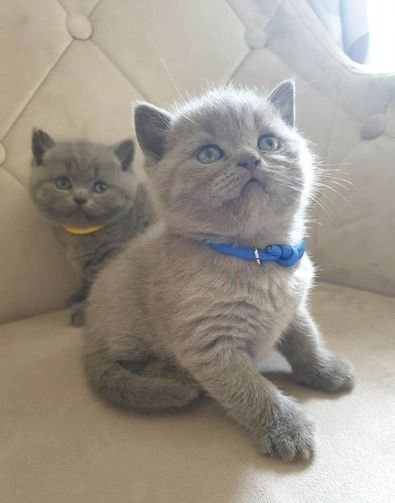
For many cat lovers, the joy of having a feline companion can be overshadowed by the challenges posed by allergies. Cat allergies are common and can lead to discomfort for those who suffer from them, prompting a search for hypoallergenic alternatives. Among the various breeds touted for their lower allergenic potential, the British Shorthair stands out due to its distinctive characteristics and gentle temperament. This article explores whether British Shorthairs truly offer a solution for allergy sufferers, delving into the science of cat allergies, the breed’s unique traits, and practical tips for living with these charming cats.
1. Understanding Cat Allergies: The Science Behind Reactions
1.1 Common Allergens in Cats
Most people think cat allergies are all about fur, but the real culprits are proteins found in cat saliva, skin, and urine. The pesky protein Fel d 1, for instance, is the major offender, and it loves to stick around long after your feline has left the building. So yes, you can thank Mr. Whiskers for your sneezing fits.
1.2 How Allergies Develop
So how does one go from a casual admirer of kittens to a full-blown sneeze-fest? Allergies typically develop after repeated exposure to a particular allergen. Your immune system mistakes these harmless proteins for threats, leading to an overreaction that includes everything from itchy eyes to a runny nose. It’s like your body just can’t handle all the cuteness.
1.3 Symptoms of Cat Allergies
Cat allergies can manifest in many forms, but common symptoms include sneezing, nasal congestion, itchy eyes, and, for some unfortunate souls, even asthma attacks. If you find yourself resembling a human fountain each time a cat wanders by, you might want to consider a remedy or at least keep a box of tissues close at hand.
2. What Makes a Cat Hypoallergenic?
2.1 Definition of Hypoallergenic
The term “hypoallergenic” sounds fancy, but it really just means that these cats produce fewer allergens than your average feline. It’s not a magic shield against allergies, but rather a less sneezy alternative. Think of it as the “light” version of your favorite snack—the flavor’s still there; it just has fewer calories (or allergens, in this case).
2.2 Key Factors in Hypoallergenic Cats
Several factors contribute to a cat being hypoallergenic. These include lower levels of the Fel d 1 protein, a unique coat structure that traps dander better, and even seasonal shedding patterns. While no breed is completely allergen-free, these factors can help minimize your allergic reactions.
2.3 Misconceptions About Hypoallergenic Breeds
Many people mistakenly believe that hypoallergenic cats don’t shed at all. Spoiler alert: they do! The difference lies in the amount of allergens they produce, not in the fluff they leave behind. So if you’re hoping for a cat that won’t shed a single hair, you might need to reconsider your options—or invest in a good vacuum.
3. The British Shorthair: Breed Characteristics and Temperament
3.1 Physical Traits of the British Shorthair
With their round faces, dense coats, and those adorable chubby cheeks, British Shorthairs are like the teddy bears of the cat world. They typically have a sturdy build, short, plush fur, and an array of charming colors. Their appearance is so iconic, they could probably star in a cat version of a beauty pageant—and win.
3.2 Temperament and Behavior
British Shorthairs are known for their easygoing temperament. They’re not overly demanding and tend to enjoy a relaxed lifestyle, which means they won’t be climbing your curtains or plotting their escape at 3 a.m. They’re affectionate without being clingy, making them the perfect cuddle buddies for both cat lovers and those who just want a furry roommate.
3.3 Grooming Needs and Shedding Patterns
While these fluffy companions don’t require extensive grooming, regular brushing helps keep their coats looking fabulous and reduces dander. British Shorthairs shed moderately, so if you have allergies, a little grooming will go a long way in keeping those pesky allergens at bay. Plus, it’s an excellent excuse to spend more quality time with your cat.
4. Allergen Production in Cats: How British Shorthairs Compare
4.1 Saliva, Skin, and Dander in Cats
As mentioned earlier, allergens are mainly found in a cat’s saliva and skin. When your cat grooms itself (which is basically all day, every day), it spreads those proteins around the house. Dander, a mix of skin flakes and those delightful saliva proteins, becomes airborne and that’s where the trouble begins.
4.2 British Shorthair Allergen Levels
Studies suggest that British Shorthairs produce lower levels of Fel d 1 compared to many other breeds, making them a more suitable option for allergy sufferers. However, individual cats can vary, and some might still produce enough allergens to send you into a sneeze spiral. It’s always a good idea to spend time with a breed before bringing one home.
4.3 Factors Influencing Allergen Production
Several factors can affect allergen production in cats, including age, diet, and overall health. A younger cat might produce more allergens than an older one, while certain diets can potentially reduce allergen levels. Keep in mind that environmental factors, such as humidity and cleanliness, also play a role. In short, owning a cat is a delicate science, and you might need to experiment a bit to find your perfect furry match!
5. Living with a British Shorthair: Tips for Allergy Sufferers
5.1 Creating an Allergy-Friendly Home
To create an allergy-friendly sanctuary, consider investing in high-efficiency particulate air (HEPA) filters to trap allergens and keep the air pristine. Regularly vacuum with a HEPA vacuum cleaner and wash cat bedding—and your own—often. Designate pet-free zones, especially your bedroom, because nobody wants to share their dreams with sneezes. Hard surfaces like tile or laminate are your best friends since they can be wiped down easily.
5.2 Managing Allergies While Owning a Cat
Managing allergies is all about strategies and a bit of creativity. Antihistamines might become your new best pals—taking them before you cuddle can work wonders. Make grooming a collaborative effort: brush your British Shorthair outside if possible or at least on a non-carpeted surface. Frequent baths (maybe not daily, but close enough) can help reduce allergens, but don’t forget to reward your feline with a treat afterward—because who knew being a cat parent involved spa days?
5.3 Regular Care and Maintenance Tips
Regular brushing is key to controlling dander levels, so think of it as a furry little workout. Aim to brush your British Shorthair at least once a week, preferably while binge-watching your latest TV obsession. Keep their litter box clean and in a well-ventilated area to help minimize dust. And remember, regular vet check-ups are essential—not only to make sure your cat is healthy but also to get expert tips on keeping your home allergen-free!
6. Other Hypoallergenic Cat Breeds: A Comparative Overview
6.1 Overview of Popular Hypoallergenic Breeds
If British Shorthairs aren’t quite your cup of tea, fear not! Other hypoallergenic breeds include the Russian Blue, Bengal, and Siamese. These breeds are known for producing lower amounts of Fel d 1, the protein responsible for those pesky allergy attacks. Each breed has its quirks—Siamese are chatty, Bengals love a good climb, and Russian Blues are typically aloof. Pick your poison (err, breed) wisely!
6.2 Comparing Allergen Levels Across Breeds
When it comes to allergen levels, some breeds take the cake—just make sure it isn’t made of cat dander! The Balinese is often dubbed the “long-haired Siamese” and is rumored to produce even less Fel d 1 than the average cat. Meanwhile, breeds like the Sphynx (yes, the hairless wonder) have a reputation for being less allergenic since fewer dander particles are floating about. It’s a game of allergy roulette, folks!
6.3 Selecting the Right Breed for You
Choosing a hypoallergenic cat is like picking the right avocado at the grocery store: it requires thought and a little trial and error. Consider your lifestyle, the amount of time you can dedicate to grooming, and how much love and attention you want to give. If cuddles are your primary goal, consult with breeders and spend some quality time with various breeds before you commit. Remember, adopting a furry friend is a long-term relationship—choose wisely!
7. Real Experiences: Allergy Sufferers and British Shorthairs
7.1 Case Studies and Testimonials
Many allergy sufferers share positive experiences after introducing a British Shorthair into their homes. For instance, Sarah, an asthma warrior, found her British Shorthair named Mr. Whiskers to be a lovable companion without triggering her allergies (most of the time). Testimonials often reflect stories of adjustment and surprise, as many people didn’t realize they could coexist with a cat—until they met a British Shorthair!
7.2 Success Stories and Challenges Faced
While success stories abound, some challenges are part of the journey. Tom, an allergy-plagued cat dad, initially faced a barrage of sneezes, but by implementing strict cleaning routines and sticking to a grooming schedule, he found harmony with his feline partner. Challenges like managing dander can be frustrating, but dedication often pays off, resulting in heartwarming moments of snuggles and tail wags.
7.3 Expert Opinions
Veterinarians and allergists weigh in on the British Shorthair phenomenon. Most agree that while the breed might be lower in allergens compared to others, individual reactions vary. Experts suggest that potential cat owners with allergies conduct a “trial period” with a breed before making the leap, and they often recommend regular vet check-ups to ensure both kitty and human are living their best lives.
FAQ
1. Are British Shorthairs truly hypoallergenic?
British Shorthairs are not completely hypoallergenic, but they tend to produce lower levels of allergens compared to some other breeds, making them a better choice for allergy sufferers.
2. What causes cat allergies?
Cat allergies are primarily caused by proteins found in cat saliva, skin, and dander. When cats groom themselves, these proteins can become airborne and trigger allergic reactions in sensitive individuals.
3. How can I reduce allergens in my home if I own a British Shorthair?
To reduce allergens, consider regularly grooming your cat, using air purifiers, frequently cleaning surfaces, and designating cat-free zones in your home.
4. Are there other cat breeds that are suitable for allergy sufferers?
Yes, other breeds like the Siberian, Balinese, and Bengal are also considered to be more hypoallergenic and may be suitable for allergy sufferers.