
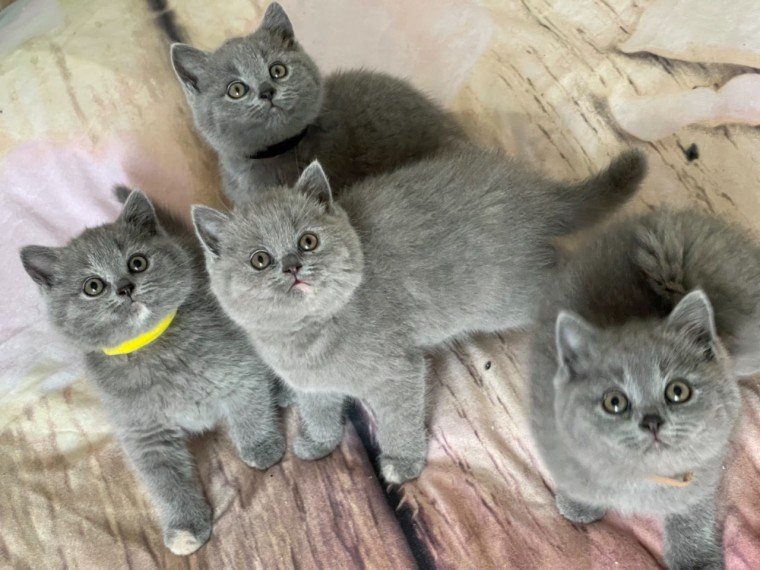
Caring for a British Shorthair cat in the U.S. requires a blend of understanding, commitment, and knowledge about the unique needs of this beloved breed. Known for their plush coats, round faces, and affectionate yet independent personalities, British Shorthairs have become increasingly popular among feline enthusiasts. This complete guide will walk you through essential aspects of their care, including dietary requirements, grooming practices, health considerations, and more, ensuring your furry companion thrives in their new home. Whether you are a first-time cat owner or looking to enhance your existing care routine, this guide will provide valuable insights to help you nurture and bond with your British Shorthair.
Understanding the British Shorthair Breed
Origin and History
The British Shorthair cat has a rich history that dates back to ancient Rome, where they were prized for their powerful hunting skills (and impressive fluffiness). After enduring centuries of selective breeding, they developed into the robust, round-faced companions we adore today. The breed really hit its stride in the late 19th century when they were showcased in cat shows, quickly becoming a favorite in the U.K. And let’s be honest, who wouldn’t be charmed by a breed that practically purrs “royalty”?
Physical Characteristics
These cats are the definition of squishy and sturdy. British Shorthairs have a broad head, dense coat, and irresistible chubby cheeks that could make anyone’s heart melt. Their eyes are round and often a stunning copper or gold, adding to their overall appeal. They come in a variety of colors and patterns – from classic blue to tabby – making them a truly diverse breed in the world of feline fashion.
Temperament and Personality Traits
With a personality as inviting as a warm blanket on a chilly day, British Shorthairs are known for their easygoing nature. They strike a lovely balance between being jovial playmates and independent loners, making them perfect companions for families and individuals alike. They’re not overly demanding (no needy cat vibes here), preferring to quietly observe life with their cool, collected demeanor, but they’ll happily jump into the mix for some quality cuddle time when the mood strikes.
Essential Nutritional Needs
Choosing the Right Food
When it comes to choosing food for your British Shorthair, think of it as picking the best buffet – high-quality ingredients are non-negotiable! Look for a balanced diet that includes plenty of protein (meat is an excellent choice), healthy fats, and some carbohydrates. Keep an eye out for formulas specifically designed for British Shorthairs that cater to their unique metabolic needs. After all, we wouldn’t want them to develop a taste for fast food!
Portion Control and Feeding Schedule
Obesity is a common concern for British Shorthairs, so portion control is the name of the game. Depending on their age and activity level, aim for a carefully measured amount of food daily – consult your vet for specific recommendations. A feeding schedule of two meals a day works well; it helps establish a routine and prevents them from acting like they’re auditioning for “MasterChef: Cat Edition” all the time.
Common Dietary Restrictions
While British Shorthairs are generally robust eaters, some may develop sensitivities or allergies (yes, just like humans with gluten-free diets!). Be on the lookout for symptoms like itching, gastrointestinal upset, or uncharacteristic behavior after meals. It’s wise to consult your veterinarian if you suspect any dietary issues—after all, we want the best for our fuzzy friends!
Grooming and Hygiene Practices
Brushing and Coat Care
The plush coat of a British Shorthair is a joy to touch, but it also requires a bit of TLC! Regular brushing (a few times a week) will help keep those adorable furballs from turning into tumbleweeds. Use a slicker brush to remove loose hairs and prevent matting. Skip the bath unless absolutely necessary; they’re generally pretty good at self-cleaning, and we don’t want them plotting revenge for an unexpected soak.
Bathing Guidelines
Bathing your British Shorthair should be a rare occasion—think of it like a surprise party, not a weekly event. Only bathe them if they’ve gotten into something sticky or particularly smelly (we know, cats can be adventurous). Use a gentle cat shampoo, and make the experience as enjoyable as possible with treats and plenty of praise. Just be aware, some cats may not exactly be thrilled about the process, so proceed with caution!
Nail Trimming and Ear Cleaning
Keep those claws in check by trimming your British Shorthair’s nails regularly—about every couple of weeks should do the trick. If you’re unsure how to go about it, consult your vet or a professional groomer. As for their ears, a quick check every few weeks is crucial. Clean them gently with a damp cloth if you see any wax build-up. Remember, no one likes dirty ears, especially when they’re trying to look dignified!
Health Care and Veterinary Visits
Regular Check-ups and Vaccinations
Routine veterinary check-ups are essential to keep your British Shorthair happy and healthy. Schedule annual visits to ensure they’re up-to-date on vaccinations and to catch any potential health issues early. Think of these trips as their equivalent of a spa day – minus the cucumber slices and soothing music, of course!
Common Health Issues in British Shorthairs
While British Shorthairs are generally healthy cats, they can be prone to a few conditions, including hypertrophic cardiomyopathy (a fancy term for heart issues) and obesity. Regular vet visits and a watchful eye on their weight can help mitigate these risks. Remember, it’s all fun and games until one too many treats turns into a cat-sized couch potato!
Preventive Care Tips
Preventive care is key to ensuring your British Shorthair enjoys a long life filled with belly rubs and sunbeams. Invest in a quality diet, stay on top of vaccinations and parasite prevention, and keep them active with engaging toys and playtime. Don’t forget to foster a loving environment—after all, a happy cat is a healthy cat!
Creating a Safe and Stimulating Environment
Indoor vs. Outdoor Living
While the great outdoors can be tempting for your British Shorthair, it often comes with hidden dangers such as traffic, predators, and unwelcoming neighbors. Indoor living is the safest bet, allowing your fluffy companion to enjoy the world from the comfort of your home. If your kitty is itching for a taste of fresh air, consider supervised outdoor time in a secure harness or a catio that feels like a mini-vacation!
Essential Supplies and Enrichment
Your British Shorthair may be known for its laid-back demeanor, but that doesn’t mean they don’t need a little pizzazz in their lives! Stock up on essentials like a scratching post, cozy beds, and litter boxes. Add in some engaging toys, like feather wands or puzzle feeders, to keep their minds sharp and their bodies moving. Remember, a bored British Shorthair is a scheming British Shorthair—you don’t want them plotting ways to overthrow your couch!
Safety Precautions for Your Home
To ensure your home is a sanctuary for your British Shorthair, take some proactive safety measures. Secure any loose wires, keep toxic plants (and catnip masquerading as a toxic plant) out of reach, and use child-proof locks on cabinets that hold cleaning supplies. A little prevention goes a long way—after all, you wouldn’t want to spend the day at the vet just because they mistook your shoe for a chew toy!
Exercise and Playtime Activities
Importance of Physical Activity
Just because they look like fluffy boulders doesn’t mean your British Shorthair can skip out on exercise! Physical activity is essential to help maintain a healthy weight, prevent boredom, and keep those feline muscles toned. Make sure to carve out time each day for play sessions—after all, a well-exercised cat is a less mischievous cat… and possibly a nap champion!
Engaging Toys and Games
When it comes to toys, variety is the spice of life! Interactive toys like laser pointers, feather toys, and treat-dispensing gadgets can keep your British Shorthair entertained for hours. Create a mini-Olympics with climbing trees, tunnels, and boxes—because let’s face it, if it fits, they sits! Rotate toys regularly to keep their interest piqued and prevent them from becoming indifferent “prognosticators” on the couch.
Setting Up a Play Area
Designate a play area in your home where your British Shorthair can safely explore and exercise. Use soft rugs for comfort, stack boxes for climbing, and sprinkle in some toys to get their creativity flowing. Consider a window perch to provide a front-row seat to the outdoor drama, because who wouldn’t want to watch the squirrels stage their acrobatics?
Socialization and Behavioral Training
Introducing Your Cat to New Environments
Whether it’s a new room or a new home entirely, introducing your British Shorthair to new environments should be a gentle process. Allow them to explore at their own pace, providing plenty of comfort and reassurance. Use treats and soft, soothing tones to let them know that the new digs aren’t just for hoomans to showcase their interior design skills—there’s plenty of fun for furry residents too!
Basic Training Techniques
Yes, cats can be trained! Spend time teaching your British Shorthair basic commands like “come” or “no” using treats and positive reinforcement. Keeping training sessions short is key—imagine trying to teach a toddler a new skill when they’re already busy daydreaming about cookies. With patience and consistency, your furry friend can become a trickster extraordinaire, showcasing their skills at family gatherings.
Understanding Feline Body Language
Your British Shorthair’s body language is a treasure map to understanding their feelings. A twitching tail can signal excitement, while slow blinks often mean trust—or they’re just trying to get you to feed them sooner. Keep an eye on their ears, eyes, and overall posture; learning these cues can help you respond better and strengthen your bond. So the next time they give you a slow blink, consider it a cat kiss!
Tips for Traveling with Your British Shorthair
Preparing for Travel
Before embarking on any travel adventures, prepare your British Shorthair for what’s ahead. Give them time to acclimate to their carrier and take them on short car rides to create positive associations. Don’t forget to pack their essentials, including food, water, and their favorite blanket—because familiarity is comforting, like a furry hug in a suitcase!
Choosing the Right Carrier
Choose a carrier that’s spacious, well-ventilated, and secure (no escape artists, please!). Look for one that allows your British Shorthair to stand up, turn around, and even execute a dramatic flop. Make it an inviting space before the trip with a cozy bed and some treats, so they think of it less as a prison and more as their mobile cozy den!
Traveling by Car vs. Airplane
When it comes to travel, cars are the unrivaled champions in kitty comfort, allowing for more frequent breaks and the chance to explore new sights via car windows. If flying is a must, check the airline’s pet policy and prepare for security checks (which can be stressful). Regardless of your mode of transportation, keep your British Shorthair safe and secure to prevent any mid-journey feline shenanigans!In conclusion, caring for your British Shorthair in the U.S. can be a rewarding experience filled with love and companionship. By understanding their unique needs and providing the right nutrition, grooming, and healthcare, you can ensure a happy and healthy life for your feline friend. Embrace the joys of being a cat owner, and remember that each British Shorthair has its own personality and quirks, making your journey together truly special.
Frequently Asked Questions
What is the average lifespan of a British Shorthair?
The average lifespan of a British Shorthair is typically between 12 to 20 years, depending on their health, diet, and living conditions.
How often should I groom my British Shorthair?
British Shorthairs have dense coats that require grooming at least once a week to reduce shedding and prevent matting.
What type of food is best for a British Shorthair?
A high-quality, balanced diet that is rich in protein and low in carbohydrates is ideal for British Shorthairs. Look for cat food specifically formulated for their age and health needs.
Are British Shorthairs good with children and other pets?
Yes, British Shorthairs are generally known for their friendly and adaptable nature, making them good companions for children and other pets when properly socialized.