
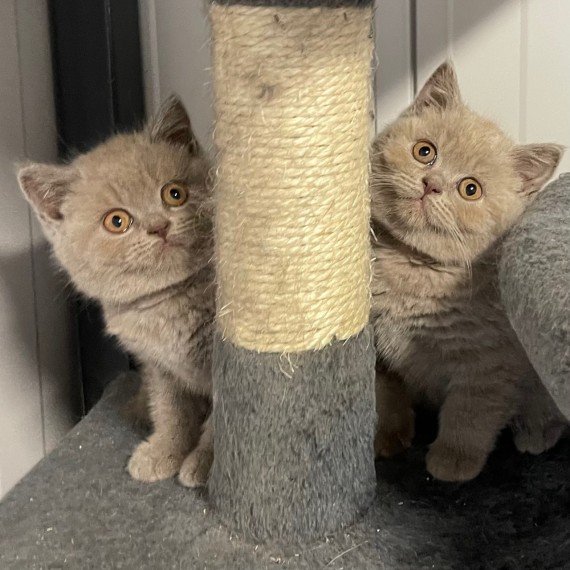
The British Shorthair, known for its distinctive round face, dense coat, and calm demeanor, has become a beloved companion for many pet owners in the United States. As one of the oldest cat breeds, it brings a rich history and unique characteristics that appeal to a wide audience. However, owning a British Shorthair comes with its own set of responsibilities and considerations. From understanding their temperament and grooming needs to addressing potential health issues, prospective and current owners should be well-informed to provide the best care for these charming felines. This article aims to guide you through essential aspects of British Shorthair ownership in the US, ensuring a fulfilling and harmonious relationship with your furry friend.
Overview of the British Shorthair Breed
History and Origins
The British Shorthair has a lineage steeped in history—think of them as the aristocrats of the feline world. This breed dates back to Roman times when cats were brought to Britain to control the rodent population. With their robust build and distinct appearance, they quickly gained popularity, eventually becoming the darlings of Victorian England. In short, they weren’t just lounging on velvet cushions; they were gearing up to be the stars of cat shows!
Physical Characteristics
British Shorthairs are nothing if not distinctive. With their round faces, large, expressive eyes, and plush, dense coats, they embody the phrase “cuddly teddy bear.” They have a sturdy, muscular body that suggests both strength and elegance—sort of like a bodybuilder in a cashmere sweater. Their legs are short yet strong, and their tails are thick at the base, tapering to a rounded tip, making them appear even more adorable as they strut around.
Varieties and Color Patterns
When it comes to color, the British Shorthair is like the fashionista of the cat world—always in style! While the most recognized color is blue-grey, they come in a delightful array of shades: black, white, cream, and even color-pointed varieties. With over 30 recognized colors and patterns, including tabby and bi-color, it’s like having a whole wardrobe of kitties. So, whether you fancy a classic smoky grey or a striking tortoiseshell, there’s a British Shorthair with your name on it!
Popularity of British Shorthairs in the US
Trends in Pet Ownership
In recent years, the British Shorthair has climbed the ranks in the U.S. as a go-to breed for cat lovers. With the rise of social media, these charming chubsters have captured the hearts of many, becoming the ultimate Instagram stars. Pet ownership trends indicate that people are increasingly seeking cats that are not only aesthetically pleasing but also have a rich background—hello, British Shorthair! They’re the cat equivalent of a designer handbag; everyone wants one.
Comparison with Other Breeds
While there’s no shortage of feline choices in the pet world, the British Shorthair stands out like a diamond among other stones. Compared to breeds like the Siamese, who are known for their vocal personalities, or the mischievous Bengal, British Shorthairs are more laid-back and dignified. They sit at the intersection of cute and classy, making them a top contender against other popular breeds such as Maine Coons and Ragdolls. Simply put, they’ve got the charm and the fluff—who could resist?
Characteristics and Temperament
Personality Traits
British Shorthairs are the introverted philosophers of the cat world. They tend to be calm, easygoing, and just a tad aloof—think of them as the cool kids who observe from the sidelines. Yet beneath that cool demeanor lies a loyal companion who enjoys being around their humans. They aren’t overly demanding and prefer to cuddle on their terms, making them perfect for introverts and busy families alike.
Social Behavior with Humans and Other Pets
When it comes to socializing, British Shorthairs usually play it cool. They enjoy the company of their humans but won’t follow you around like a puppy—no commitment issues here! They can get along well with other pets, provided introductions are handled with care; they appreciate a gentle approach. With that classic British reserve, they may take their time warming up, but once they do, you’ll have a furry friend for life.
Health Considerations for Owners
Common Health Issues
Like any celebrity, British Shorthairs can have their health quirks. They are prone to certain conditions, including obesity, dental issues, and hypertrophic cardiomyopathy (HCM)—a fancy term for heart problems that can occur in felines. Regular vet check-ups will keep you informed about their health and provide peace of mind as you enjoy their company.
Regular Veterinary Care
Routine veterinary care is crucial for keeping your British Shorthair in tip-top shape. Regular check-ups, vaccinations, and dental cleanings are essential. Although they might give you the side-eye when it’s time to visit the vet, think of it as a spa day for your feline friend. Who doesn’t love feeling pampered? And remember, a healthy cat is a happy cat, which means more adorable moments to cherish!
Grooming and Care Requirements
Coat Maintenance
British Shorthairs are blessed with a plush, dense coat that feels like a warm hug. To keep it looking its best, a weekly brush will do wonders. This not only helps to reduce shedding (and your chances of becoming a walking furball) but also keeps their skin healthy. During shedding season, you might want to up your grooming game to twice a week. And let’s be honest, who doesn’t love a good cat pampering session?
Bathing and Nail Clipping
Bathing a British Shorthair is like trying to convince a toddler to take a nap—good luck! These cats typically self-groom quite well, so baths aren’t usually necessary unless they’ve had a run-in with something sticky (or they rolled in the neighbor’s prized flower bed). Nail clipping, however, is essential for their health and can prevent those accidental “cat scratches.” Aim to clip their claws every few weeks, or whenever they seem to be practicing their ninja moves on your furniture.
Nutrition and Diet Guidelines
Recommended Diet for British Shorthairs
When it comes to food, British Shorthairs are like tiny furry sumo wrestlers—they love to eat! A high-quality diet rich in protein and fat is ideal for these muscular cats. Look for premium cat food with real meat as the first ingredient. Also, remember that these couch potatoes can be prone to obesity, so choose a balanced diet that meets their energy needs without turning them into bowling balls.
Portion Control and Feeding Schedule
Portion control is crucial—think of it as a personal trainer for your cat. Depending on their age and activity level, the recommended daily intake is typically around 1/2 to 3/4 cup of dry food, split into two meals. Don’t fall for the pleading eyes during your dinner; stick to the schedule to keep your feline from morphing into a fur-covered soft serve!
Finding and Choosing a British Shorthair
Reputable Breeders vs. Shelters
When hunting for your future British Shorthair, you have two main options: reputable breeders or shelters. Breeders can provide detailed lineage information and breed-specific insights, while shelters give you the opportunity to save a life (plus, you might find an adorable mixed breed who thinks they’re royalty). Do your homework—visit potential homes and ask questions to ensure you’re adopting from a responsible source.
What to Look for When Selecting a Kitten
While all kittens are adorable (seriously, how can you resist those tiny paws?), you’ll want to look for certain characteristics in a British Shorthair. Choose one with a round face, strong build, and a playful demeanor. Observe how they interact with their littermates and humans—this will give you insight into their personality. And remember, if they give you the classic “I’m totally royalty” stare, you’re likely on the right track!
Training Tips for British Shorthair Owners
Basic Obedience Training
Training your British Shorthair might require the patience of a saint, but it’s not impossible! Start with basic commands like “sit” and “stay” using positive reinforcement (think treats and praise). Be prepared for some bemusement from your cat, as they might prefer to watch you rather than obey. Consistency is key; over time, they’ll learn that your commands are worth their while—especially if it involves snacks!
Socialization Techniques
Socializing your British Shorthair is essential, especially if you want a well-rounded companion. Introduce them to various people, pets, and environments gradually. Start early if you’re working with a kitten, as they’re more adaptable. Encourage positive interactions with treats and playtime, and remember, if they give you the “I’m too cool for this” look, just roll with it. They’ll come around…eventually!In conclusion, owning a British Shorthair can be a rewarding experience filled with companionship and joy. By understanding their unique needs, characteristics, and health considerations, owners can ensure that their feline friends lead happy, healthy lives. Whether you’re considering adopting a British Shorthair or already have one at home, being well-informed is key to fostering a strong bond and providing the best possible care for your beloved pet.
Frequently Asked Questions
1. Are British Shorthairs good with children and other pets?
Yes, British Shorthairs are generally known for their calm and gentle temperament, which makes them good companions for children and can allow them to coexist peacefully with other pets. Proper socialization from an early age can enhance their compatibility with various family members.
2. How often should I groom my British Shorthair?
British Shorthairs have dense coats that benefit from regular grooming. Ideally, you should brush them at least once a week to minimize shedding and prevent matting. During shedding seasons, more frequent grooming may be necessary.
3. What is the average lifespan of a British Shorthair?
On average, British Shorthairs can live between 12 to 20 years, depending on their overall health, diet, and level of care. Regular veterinary check-ups can help ensure they live a long and healthy life.
4. Do British Shorthairs have any specific health concerns?
While British Shorthairs are generally healthy, they can be prone to certain genetic conditions, such as hypertrophic cardiomyopathy (HCM) and obesity. Regular veterinary visits and a balanced diet can help mitigate these risks.