
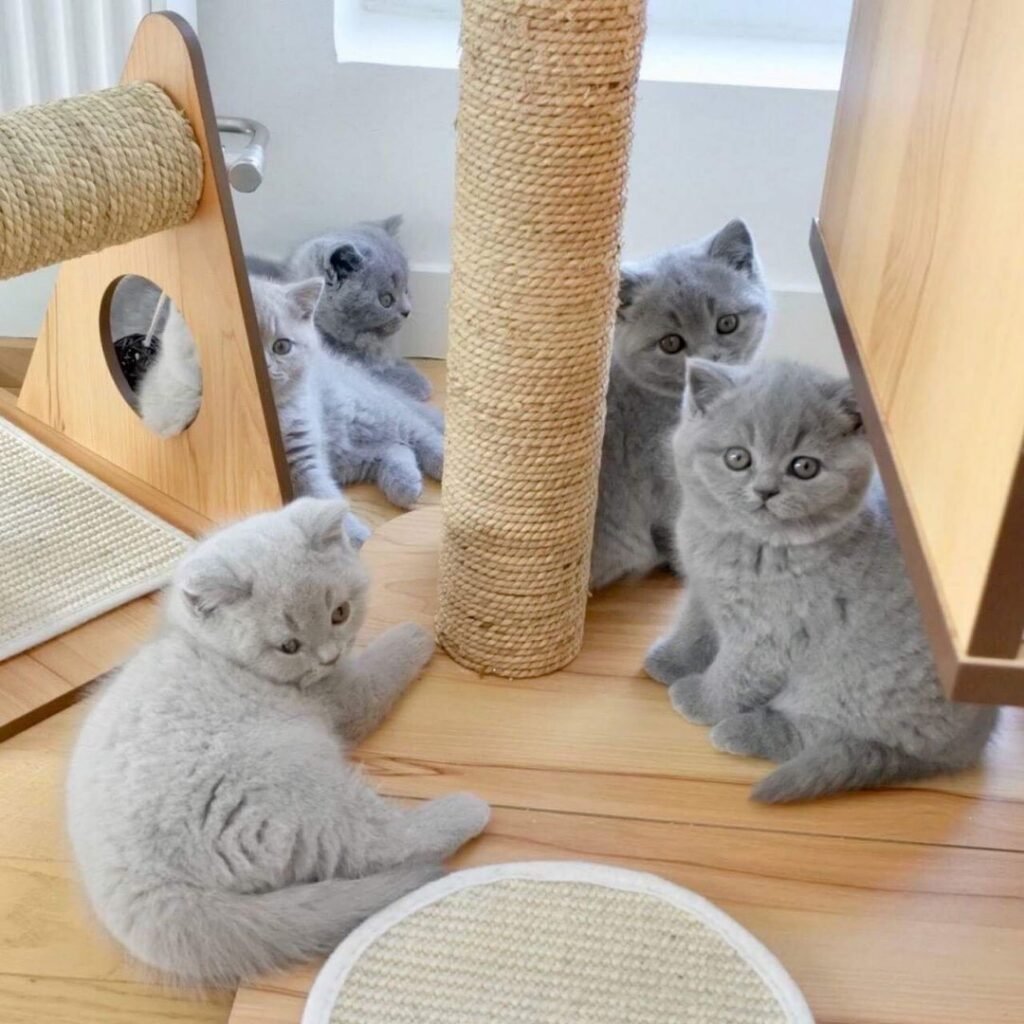
Managing shedding is an essential aspect of caring for a British Shorthair, known for its thick, plush coat and affectionate nature. While these charming cats are a joy to have, their shedding can become a concern for pet owners, especially during seasonal changes. In this article, we will explore the best products and techniques available today to help you effectively manage shedding, from grooming tools and nutritional supplements to home remedies and efficient cleaning solutions. By implementing the right strategies, you can keep your home fur-free and maintain your cat’s coat in optimal condition.
Understanding British Shorthair Shedding Patterns
Seasonal Shedding vs. Year-round Shedding
British Shorthairs are known for their plush coats, which come with a side of shedding that can catch you off guard. These felines typically experience two main shedding seasons each year—spring and fall—when they shed their winter and summer coats, respectively. However, don’t let that fool you into thinking they’re low-maintenance the rest of the time! British Shorthairs may still shed year-round, just in smaller quantities. Think of it as that occasional sneeze when your friend is talking—a little annoying but manageable!
Factors Influencing Shedding in British Shorthairs
Several factors can influence how much your British Shorthair sheds. The first culprit? Temperature! As the seasons change, so does your cat’s coat. Stress and anxiety can also play a role—if your kitty’s feeling frazzled, you might find fur flying. Additionally, changes in diet or health issues may lead to increased shedding. Take a close look at their lifestyle; after all, they might just be trying to tell you something with those stray hairs on your favorite sweater!
Essential Grooming Tools for Effective Shedding Management
Types of Grooming Tools
When it comes to managing shedding, having the right grooming tools is half the battle. You’ll want to stock up on a variety of brushes and combs. A slicker brush is great for tackling tangles and picking up loose fur, while a bristle brush can help distribute natural oils and keep that coat shining like a diamond. De-shedding tools are your secret weapon for heavy shedding periods, ensuring that no fluff is left behind. Each tool has its role in your grooming arsenal—consider them your trusty sidekicks in the battle against the fluff!
Choosing the Right Tool for Your Cat
Picking the perfect tool can feel like a quest for the Holy Grail, but fear not! A good rule of thumb is to consider your cat’s coat length and texture. For British Shorthairs, a slicker brush and a rubber grooming mitt work wonders. If you’re feeling fancy, a grooming rake can be helpful during peak shedding seasons. Ultimately, your cat’s comfort matters most—if they’re not a fan of the brush, they won’t hesitate to let you know! So, test out a few options and see which ones turn your cat into a purring puddle of happiness.
Top-rated Brushes and Combs for British Shorthairs
Review of Popular Brushes
When it comes to brushes, some have earned their stripes—literally! The Hertzko Self Cleaning Slicker Brush is a crowd favorite, with its retractable bristles that make cleanup a breeze. Then there’s the Pet Neat Pet Grooming Brush, known for its sturdy design and ability to tackle mats without a hitch. For a more luxurious option, the FURminator deShedding Tool is a cult classic, expertly reducing shedding without sacrificing your cat’s comfort. Each of these brushes has its fans, so pick one that suits your—and your cat’s—personality!
Comparative Analysis of Comb Types
When it’s time to comb through that fluffy coat, not all combs are created equal! The wide-toothed comb is your go-to for detangling, while a fine-toothed comb helps tackle those pesky undercoat hairs. If you’re feeling adventurous, a dual-sided comb can offer the best of both worlds. Just remember, the right comb for your British Shorthair can mean the difference between blissful grooming sessions and a feline revolt. Test out a few until you find the comb that makes both you and your kitty smile!
Nutritional Supplements to Support Healthy Coat and Reduce Shedding
Key Nutrients for a Healthy Coat
It turns out beauty really is skin deep—at least for our furry friends! Ensuring that your British Shorthair gets a balanced diet packed with essential nutrients can significantly reduce shedding. Key players include Omega-3 and Omega-6 fatty acids, which provide moisture and shine, and biotin, which promotes healthy hair growth. Make sure your cat’s diet features high-quality protein and plenty of hydration, as a well-fed cat will likely shed less (and feel fabulous!).
Top Supplement Brands for British Shorthairs
If a little extra support is in order, consider some top-notch supplements. Brands like Nutramax and Vetoquinol offer Omega-rich oils formulated for pets, while Zesty Paws specializes in soft chews packed with biotin and other coat-healthy ingredients. However, before you dive into the supplement pool, it’s always wise to consult with your veterinarian—the last thing you want is for Mr. Whiskers to turn into a supplement connoisseur!
Recommended Grooming Routines for British Shorthairs
Frequency of Grooming Sessions
British Shorthairs are known for their plush coat, which means they require a bit of love in the grooming department. Aim for brushing your furry friend at least once a week, but ramp it up to two to three times during shedding season (usually spring and fall) when their beautiful fur seems to multiply and invade your home like it’s auditioning for a starring role.
Steps for an Effective Grooming Routine
1. **Gather Your Supplies**: You’ll need a slicker brush, a grooming glove, and perhaps a treat or two to keep your cat feeling like a superstar.
2. **Choose a Comfortable Spot**: Snuggle up on the couch or find a sunny patch on the floor. Your kitty should feel relaxed—grooming sessions shouldn’t feel like a wrestling match!
3. **Start with the Slicker Brush**: Gently brush in the direction of the fur growth. This helps remove loose hair without turning your British Shorthair into a fluffy tornado.
4. **Tackle Those Tangles**: If you encounter any mats, use a detangling spray and a fine-toothed comb to gently work them out.
5. **Finish with a Grooming Glove**: Rub down their coat with a grooming glove to catch any lingering fur and give them a nice massage while you’re at it.
6. **Reward Time**: Treats and cuddles are essential! Your cat has earned them after all that grooming.
Best Vacuum Cleaners for Pet Hair Control
Features to Look for in a Pet Vacuum
When shopping for a vacuum that can handle your British Shorthair’s shedding, keep an eye out for these must-have features:
– **Powerful Suction**: You need a vacuum with enough oomph to lift all that fur without throwing in the towel halfway through.
– **Pet Hair Attachments**: Look for specialized tools like pet hair brushes and upholstery attachments to tackle fur from every angle—because your sofa deserves a break, too!
– **HEPA Filter**: A vacuum with a HEPA filter will help trap allergens and pet dander, ensuring your home stays fresh and your sinuses don’t stage a protest.
– **Easy to Clean**: Make sure the vacuum is easy to empty and maintain. If it’s a hassle, you’ll end up avoiding it like your cat avoids bath time.
Top Vacuum Models for Pet Owners
1. **Dyson V11 Animal**: This cordless wonder is powerful, lightweight, and comes with a pet hair attachment that can tackle any rogue furball lurking in corners.
2. **Shark Navigator Lift-Away**: With its versatility and excellent suction, this vacuum is a favorite among cat parents, plus it has a lift-away feature to tackle those hard-to-reach areas.
3. **Bissell Pet Hair Eraser**: Specifically designed for pet owners, this budget-friendly option excels at picking up pet hair and has a tangle-free brush roll that practically guarantees a fur-free home.
4. **Roomba i7+**: If you want a robot vacuum to do the dirty work for you, the i7+ is a great choice. It maps your home and knows exactly where to go to fetch all that shedding.
Effective Home Remedies for Reducing Shedding
Natural Treatments for Skin Health
Keeping your British Shorthair’s skin healthy is crucial for managing shedding. Here are a few natural remedies that can help:
– **Omega-3 Fatty Acids**: Add a sprinkle of fish oil to their food. These healthy fats support a shiny coat and reduce shedding.
– **Regular Baths**: A gentle bath with cat shampoo can help remove loose fur and dander, but remember to make it a spa day rather than a torture session!
– **Hydration**: Ensure your kitty drinks plenty of water. Proper hydration leads to healthier skin, which means less fur flying about like confetti at a party.
Environmental Adjustments to Minimize Shedding
Make a few adjustments at home to help control shedding:
– **Humidity Control**: Dry air can worsen shedding, so invest in a humidifier to keep the air moist and your cat’s skin happy.
– **Regular Cleaning**: Vacuum frequently and use lint rollers on furniture to keep pet hair in check. Your guests will thank you!
– **Quality Diet**: Feed your cat a high-quality diet rich in protein and essential nutrients to support coat health—it’s like cat food spa treatment!
Conclusion: Choosing the Right Products for Your Cat’s Needs
Recap of Key Points
Managing shedding in British Shorthairs can be a grooming adventure, but with regular routines, the right vacuum, and some nifty home remedies, you can keep your home looking fur-free (well, relatively). Remember to brush regularly, invest in a powerful vacuum, treat their skin right, and adjust your environment for optimal kitty comfort.
Final Recommendations for Pet Owners
In the battle against shedding, don’t skimp on the essentials. Invest in good grooming tools and a reliable vacuum that can handle the furry fallout. Try natural treats and keep an eye on your cat’s health and environment. Your British Shorthair will thank you with purrs and cuddles—possibly between fur explosions!In conclusion, managing shedding in British Shorthairs doesn’t have to be a daunting task. By utilizing the right grooming tools, incorporating beneficial nutritional supplements, and adopting effective cleaning solutions, you can minimize shedding and maintain a healthy coat for your feline friend. Remember, consistency is key, and with the right approach, you can enjoy the companionship of your British Shorthair while keeping your home clean and comfortable.
Frequently Asked Questions
How often should I groom my British Shorthair to manage shedding?
It is recommended to groom your British Shorthair at least once a week to effectively manage shedding, though during peak shedding seasons, you may want to increase grooming to 2-3 times a week.
Are there specific diets that can help reduce shedding in British Shorthairs?
Yes, diets rich in omega fatty acids, vitamins, and minerals can promote a healthy coat and potentially reduce shedding. Look for high-quality cat food or supplements that contain ingredients like fish oil or flaxseed.
What tools are best for reducing shedding in British Shorthairs?
Effective tools include slicker brushes, deshedding tools, and rubber grooming mitts. These tools help remove loose fur and reduce the amount of hair that ends up on your furniture and floors.
Can environmental factors affect my British Shorthair’s shedding?
Absolutely. Factors such as temperature, humidity, and stress levels can influence shedding. Maintaining a stable, comfortable environment can help minimize excess shedding in your cat.