
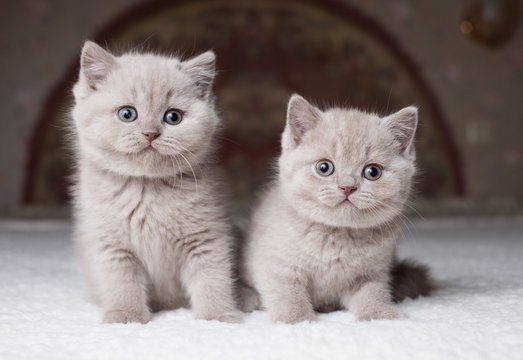
Welcoming a British Shorthair kitten into your home can be an exciting and rewarding experience. Known for their charming personalities, plush coats, and captivating eyes, these cats quickly become beloved members of the family. However, preparing your home for a new furry friend requires careful consideration and planning. From creating a safe environment to gathering essential supplies, there are several steps you can take to ensure a smooth transition for both you and your kitten. This guide will outline the key preparation strategies needed to help your British Shorthair thrive in their new home.
Introducing Your Kitten to Family Members and Pets
Preparing Family Members for the New Arrival
Getting the whole household on board with the new furry family member is crucial. Gather everyone for a family meeting—yes, this is a kitten-level event. Explain the responsibilities involved, from feeding and cleaning to playtime and snuggles. Encourage kids to be gentle and calm so they can win over your British Shorthair’s heart (and who knows, maybe they’ll get a side-eye for not sharing their toys).
Introducing the Kitten to Existing Pets
Slowly introducing your new kitten to existing furry roommates is key. Start with scent swapping—let the kitten explore and get to know the existing pet’s smell. This can be done by rubbing a cloth on each pet and then swapping it. After a day or two, you can have supervised meet-and-greets in a neutral space where everyone can sniff cautiously and size each other up. Just remember, it’s not a wrestling match—soft meows and tail flicks over pounces, please!
Monitoring Interactions for Safety
Until everyone gets used to each other, keep a close watch during their interactions. Some hissing might happen (which is basically the feline version of side-eye), but if things escalate to fur flying, it might be time for a timeout. Use baby gates or separate spaces if needed, and always have a safe spot for your kitten to retreat to when things get too wild. After all, we don’t want our British Shorthair to think that the dog is auditioning for an action movie!
Establishing a Routine for Feeding and Play
Feeding Schedule and Nutritional Needs
A consistent feeding schedule can make your life easier and help your kitten feel secure. Aim for small, frequent meals throughout the day—those little tummies can’t handle too much at once! Choose high-quality kitten food packed with the right nutrients to support that growing body. And don’t forget fresh water is a must—hydration is vital, and let’s be honest, it’s a great excuse for a fancy bowl.
Playtime Activities to Engage Your Kitten
Kittens have energy to burn, so channel that enthusiasm into playtime! Interactive toys—like feather wands and laser pointers—are perfect for keeping your British Shorthair engaged and mentally stimulated. Rotate toys every week to keep things fresh, so your little gremlin doesn’t master the art of boredom. And let’s not forget about those spontaneous zoomies; they need space to run like they just heard the treat bag rattle!
Integrating Training into Daily Routines
Training doesn’t have to be a chore; it can be part of everyday fun! Incorporate simple commands into playtime, using treats for motivation. You can also schedule training sessions immediately before meal times when your kitten is a bit more focused. Mix in commands like “sit” or “come” with litter training, making it all feel like an impressive circus act that gets applause (or at least a few purrs).
Preparing for Veterinary Care and Health Needs
Choosing a Veterinarian for Your Kitten
Start your kitty’s journey off on the right paw by selecting a vet who’s not only knowledgeable but also delightful. Look for someone experienced with kittens and ideally, with a soft spot for British Shorthairs. Schedule a meet-and-greet to see how they interact with your kitten—if they go in for the belly rub, you’ve found a winner!
Vaccination and Preventative Care Schedule
Kittens need vaccinations, and it’s not just an excuse for your vet to have some quality cuddle time. Establish a vaccination schedule with your veterinarian, which typically involves a series of shots during the first few months. This will ensure your little one is protected against nasty diseases. Don’t forget about flea prevention and deworming, as these are crucial for a happy and healthy kitty.
Understanding Common Health Concerns
Besides being adorable, British Shorthairs can be prone to a few health issues. Familiarize yourself with common concerns like obesity or heart disease. Regular check-ups will help catch any problems early on, and you can always consult your vet about diet and exercise to ensure your little fluff stays fit and fabulous. Remember, a healthy kitten today means a happy couch potato tomorrow!
Training Tips for a Well-Behaved Kitten
Basic Commands and Litter Training
Start with the basics—“sit,” “stay,” and “don’t chew my shoelaces, please!” Litter training typically comes naturally, but you can help by placing your kitten in the litter box after meals and naps. Use positive reinforcement with treats and affection, and soon enough, you’ll have a kitten that’s not just cute but a bit of a genius too!
Addressing Bad Behavior with Positive Reinforcement
Every kitten has its naughty moments (the universe needs balance, after all). If your kitten is climbing the curtains or pouncing on your unsuspecting feet, redirect their energy to scratching posts or toys. Use positive reinforcement—praise and treats for good behavior (because who doesn’t like a little bribery?)—to shape your kitten into the well-mannered companion you always dreamed of!
Socialization and Exposure to New Experiences
Expose your kitten to a variety of experiences—different people, sounds, and even trips in the carrier (after a few test runs, of course) can help them become well-adjusted adults. Just like humans, kittens can benefit from social skills, so invite friends over, and let the kitten bask in the spotlight. The more experiences you give them, the more their little personality will shine!By taking the time to prepare your home for a British Shorthair kitten, you set the stage for a happy and healthy relationship with your new pet. Ensuring that your living space is safe, comfortable, and equipped with the necessary supplies will help your kitten adjust smoothly and thrive. Remember, patience and love are essential as your furry friend settles in. Enjoy the journey of bonding with your British Shorthair and cherish the joyful moments that come with pet ownership.
Frequently Asked Questions
1. How much space does a British Shorthair kitten need?
British Shorthair kittens adapt well to various living situations, but they appreciate having room to explore, play, and lounge. A dedicated space where they can feel safe and comfortable is essential, but they also benefit from access to different areas of the home.
2. What is the best diet for a British Shorthair kitten?
A high-quality, well-balanced kitten food formulated for their specific growth needs is recommended. Look for food rich in protein and essential nutrients, and consult your veterinarian for personalized dietary advice.
3. How can I help my kitten adjust to a new home?
Creating a quiet, safe space with familiar items, such as a blanket or toys, can ease the transition. Spend time with your kitten, offer gentle encouragement, and allow them to explore their new environment at their own pace.
4. When should I take my kitten to the vet?
It’s advisable to schedule a veterinary appointment shortly after bringing your kitten home for a wellness check, vaccinations, and to discuss a health care plan. Regular check-ups should be part of their ongoing care.