
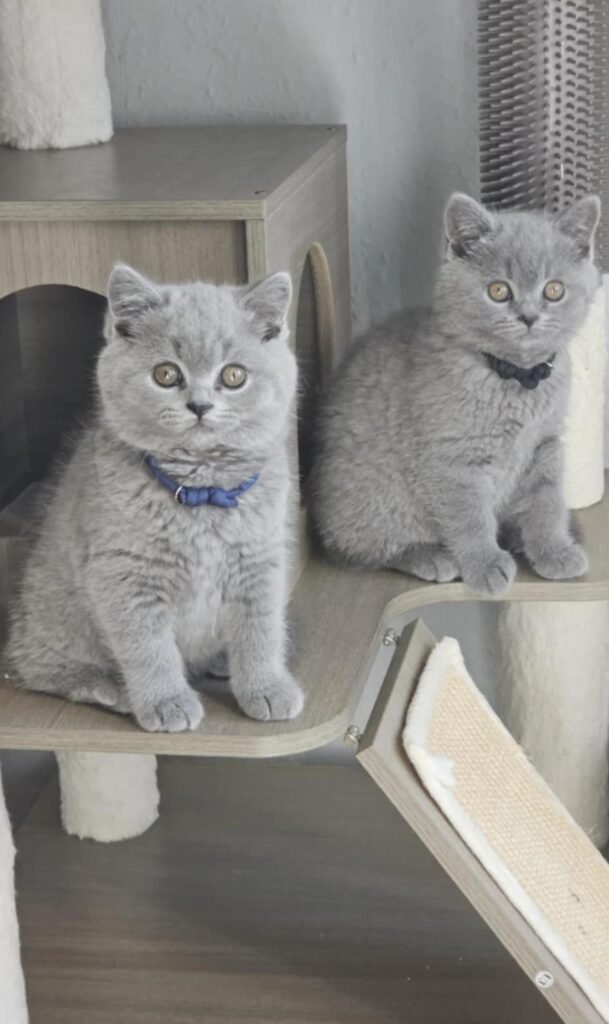
British Shorthair kittens have captured the hearts of cat lovers around the globe, and their popularity is steadily rising in the United States. Known for their charming personalities, distinctive looks, and affectionate nature, these kittens make ideal companions for families and individuals alike. With their easygoing demeanor and adaptability to various living environments, British Shorthairs offer a unique blend of companionship and independence that resonates well with the American lifestyle. In this article, we will explore the many reasons why British Shorthair kittens are the perfect choice for anyone looking to welcome a furry friend into their home.
Overview of the British Shorthair Breed
History and Origin
The British Shorthair has a pedigree as rich as its luxurious coat. Originating in the UK, these charming felines date back to the Roman times when they were brought over to help control the mouse population. Interestingly, they were once the pride of the British working class, earning their stripes through sheer utility. Fast forward to the 19th century, and they became a showstopper at cat exhibitions, thanks to their robust physique and adorable round faces. They’re like the British version of the “cool kid” who was also good at math—universally appealing!
Physical Characteristics
With their plush, dense coats, chubby cheeks, and big, expressive eyes, British Shorthairs are like living teddy bears—who knew a cat could look so huggable? Adult cats typically weigh between 9 to 18 pounds, sporting a sturdy build that suggests both strength and cuddleability. Their round faces, broad heads, and short legs give them that adorable, cartoonish look that makes you want to scoop them up and take them home. Plus, they come in a plethora of colors, from classic blues to striking tabbies, so there’s a British Shorthair for everyone’s taste.
Temperament and Personality Traits
Affectionate and Loyal Nature
British Shorthairs are the cuddle champions of the cat world. They’re known for their loyal and affectionate demeanor, often forming close bonds with their humans. They may not follow you around like a dog, but when they want attention, they’ll nuzzle their way into your heart—figuratively and literally. Expect gentle headbutts and purrs that could rival a vibrating phone, all while they claim their rightful spot on your lap or keyboard.
Playfulness and Energy Levels
Don’t let their laid-back demeanor fool you; British Shorthairs possess a playful side that can pop up at any time, usually when you least expect it (like when you’re trying to work or enjoy a snack). They love engaging with toys, especially those that mimic hunting behavior. Just be ready for some spirited antics—one moment they’re snoozing like a pro, the next they’re zooming around the house like they’re training for the Feline Olympics!
Independence vs. Companionship
These cats strike the perfect balance between independence and companionship. British Shorthairs are perfectly content spending a few hours solo while you’re out conquering the world. However, don’t be surprised when they come seeking you out for a chin scratch or to share that all-important couch space. They know how to enjoy their alone time without making you feel guilty—like a roommate who pays their rent on time while still being a blast to hang out with.
Adaptability to Life in the States
Urban vs. Rural Living
British Shorthairs are as adaptable as a chameleon in a paint shop. Whether you live in a cozy apartment in the city or a spacious farmhouse in the countryside, these cats can thrive in both environments. In urban settings, they appreciate the cozy spots in your studio, while in rural areas, they’ll happily patrol the yard like they own the place—because they probably think they do.
Climate Considerations
With their dense coats, British Shorthairs are well-equipped for cooler climates. However, they are not above enjoying a good sunbeam when the opportunity arises. If you live in a warmer area, just keep an eye on their comfort level—think of them as furry thermostats. Providing a cool, shady spot and fresh water will ensure your British Shorthair stays happy, even in the summer heat.
Living with Other Pets
These sociable felines can coexist peacefully with other pets, provided the introductions are made with care. They’re generally laid-back, so they’re often seen sharing the limelight with dogs or other cats without too much fuss. However, they do prefer to maintain their royal status, so it’s best to ensure that your household is equipped with enough space and resources for all furry residents. After all, there can only be one superstar in the household!
Health and Care Considerations
Common Health Issues
While British Shorthairs are generally robust, they are prone to certain health issues—especially their adorable chubby cheeks. Common concerns include hypertrophic cardiomyopathy (a fancy term for heart disease) and obesity. Regular vet check-ups and a keen eye on their weight will keep them purring for years to come. And remember, those “puppy dog eyes” can easily convince you to share a snack—resist the urge!
Nutrition and Diet Recommendations
To keep your British Shorthair in tip-top shape, a balanced diet is key. High-quality cat food that’s rich in protein will help maintain their muscle tone, and portion control is crucial to preventing those adorable rolls from turning into something more concerning. Don’t forget to check with your vet for specific dietary needs based on age and activity level. After all, even a cat needs a personal trainer sometimes!
Grooming Needs
Grooming a British Shorthair is a breeze, thanks to their short, dense fur that doesn’t tangle easily. A weekly brush will keep their coat looking plush and help reduce shedding—perfect for when you need to avoid a major lint roller emergency before visitors arrive. Plus, it’s a great excuse to bond with your feline friend as you chat about their day (yes, they totally understand you). So grab that brush and get ready for some quality bonding time!
Training and Socialization Tips
Basic Training Techniques
Training your British Shorthair kitten can be a breeze—think of it as teaching your cat to navigate a maze of snacks. Start with basic commands like “sit” and “stay” using treats and positive reinforcement. Keep sessions short (like your attention span during a boring Zoom call) and enjoyable. Remember, British Shorthairs are smart cookies; they love to learn but also appreciate when you don’t bore them to death!
Socializing with People and Other Animals
Socialization is key to creating a well-rounded kitty. Introduce your adorable furball to various people and other pets early on to help them develop confidence. Start with short, supervised interactions and gradually increase the exposure as your kitten becomes more comfortable. You’ll want your British Shorthair to be the life of the party—not the one hiding under the couch.
Encouraging Positive Behavior
Every time your kitten does something right (like scratching the post instead of your new couch), reward them! Use treats, praise, and even a little playtime as incentives. If they indulge in some not-so-great behavior, redirect them calmly rather than punishing them. After all, you wouldn’t get mad at your best friend for eating the last slice of pizza—well, maybe you would, but you get the point!
The Bonding Experience with British Shorthair Kittens
Building Trust and Attachment
Building trust with your British Shorthair is like dating; it takes time, patience, and perhaps a few catnip dates. Spend quality time cuddling, grooming, and letting them explore at their own pace. Offer gentle pets and speak softly to foster a sense of security. The more they feel comfortable with you, the stronger your bond will become—until they start treating you like their personal servant, of course!
Activities to Strengthen Your Bond
Engage in fun activities that your kitten will adore, like interactive playtime with feather toys or laser pointers. Create cozy spaces for snuggling and set up enticing climbing structures for their inner acrobat. Even simple activities like training sessions or puzzle feeders can deepen the connection. Just make sure they know “you” are the favorite human and that they’re not allowed to adopt every single toy at PetSmart.
Comparison with Other Popular Breeds
British Shorthair vs. Persian Cats
While Persian cats are the divas of the feline world with their long, luxurious coats and dramatic personalities, British Shorthairs are the chill, laid-back companions who just want to lounge next to you. The British Shorthair has a more playful nature, making them a great choice if you’re looking for a sidekick for your Netflix marathons, while Persians might require more grooming time than you want to invest in your own hairdo.
British Shorthair vs. Maine Coons
Maine Coons are like gentle giants—lovable but mammoth—while British Shorthairs are more compact and cuddly. If you’re craving a feline friend that strikes a balance between playful antics and a soft, squishy presence, the British Shorthair wins the prize. Plus, they don’t require a moving truck just to fit in their fluffiness!
What Makes British Shorthairs Unique
British Shorthairs are like the unicorns of the kitty world: a perfect blend of robust health, sociability, and a plush, adorable appearance! They possess an independent streak—think of them as the Steve Jobs of cats: inventive, curiously aloof, yet incredibly affectionate once they choose to grace you with their presence. Their round faces and dense coat are just the icing on the cake of feline companionship!
Conclusion: The Ideal Companion for American Families
Recap of Key Benefits
In a nutshell, British Shorthair kittens combine playfulness with easy-going charm; they love to snuggle but also enjoy their independence. With proper training, socialization, and plenty of bonding time, they become loyal companions that fit seamlessly into any American home. Plus, who can resist those adorable chubby cheeks?
Final Thoughts on Choosing a British Shorthair
If you’re on the fence about what feline friend to add to your family, consider the British Shorthair. They’re the perfect blend of sweet temperament and playful spirit, giving you the best of both worlds. Just remember, they might sit on your lap one minute and side-eye you the next—because how dare you not give them a treat? But hey, that’s just part of their charm!In summary, British Shorthair kittens bring a delightful mix of charm, adaptability, and companionship that makes them an ideal choice for many households in the United States. Their loving nature, coupled with their low-maintenance care, makes them suitable for both seasoned cat owners and first-time pet parents. As you consider adding a furry friend to your family, the British Shorthair stands out as a breed that not only enriches your life but also becomes a cherished member of your home.
Frequently Asked Questions
1. How much space do British Shorthair kittens need?
British Shorthair kittens are adaptable and can thrive in various living environments, from apartments to larger homes. They require enough space to play and explore, but they do not need an excessive amount of room.
2. Are British Shorthair kittens hypoallergenic?
No, British Shorthair kittens are not considered hypoallergenic. While no cat is completely allergen-free, some breeds produce fewer allergens than others. If you have allergies, it’s best to spend time with the breed before bringing one home.
3. How often should I groom my British Shorthair kitten?
British Shorthair kittens have a dense coat that benefits from regular grooming. It is recommended to brush them at least once a week to minimize shedding and reduce the chances of matting.
4. What is the typical lifespan of a British Shorthair cat?
British Shorthair cats typically have a lifespan of 12 to 20 years, depending on their health, diet, and living conditions. Regular vet check-ups and proper care can help ensure a long and healthy life.