
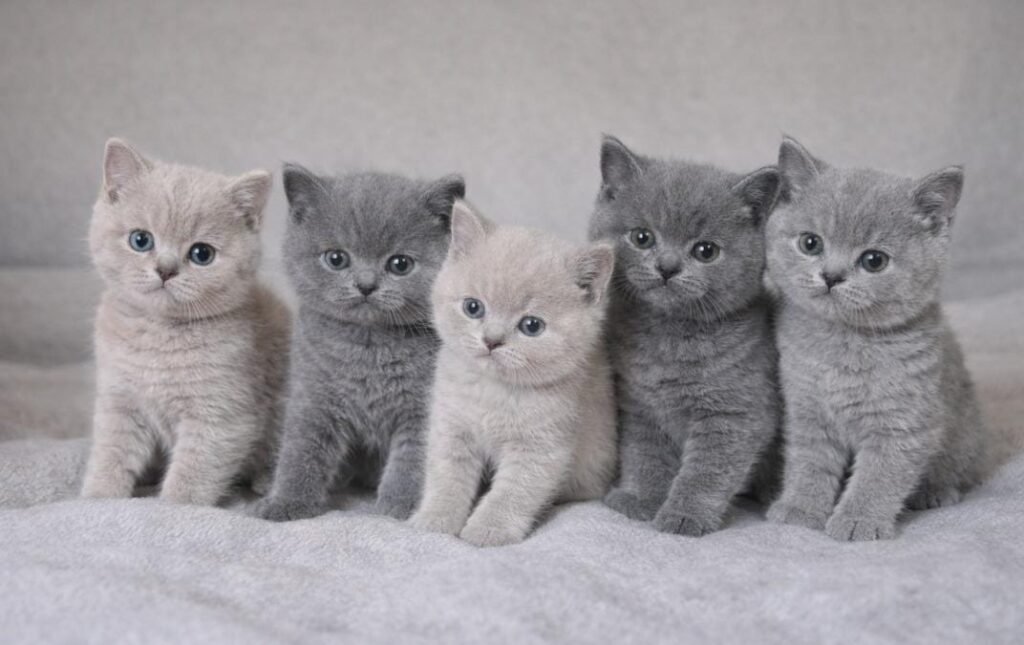
Bringing a British Shorthair kitten into your home is an exciting journey filled with joy and companionship. Known for their charming looks, sturdy build, and affectionate nature, British Shorthairs make wonderful pets for families and individuals alike. However, caring for a kitten requires knowledge and preparation to ensure a happy and healthy life for your new furry friend. This ultimate guide will provide you with essential insights on understanding the breed, preparing your home, feeding and health care, socialization tips, grooming, and addressing behavioral traits, all tailored specifically for cat owners in the USA. Whether you are a first-time kitten parent or looking to enrich your knowledge, this comprehensive resource will help you navigate the various aspects of British Shorthair kitten care with confidence.
Understanding the British Shorthair Breed
History and Origins
The British Shorthair’s roots run deep—think ancient Rome, where they were once mousers for the Romans. Thanks to their robust build and charming demeanor, they became a favorite among British cat fanciers in the late 19th century. With a lineage that boasts a rich history, these cats have evolved into the adorable, stocky furballs we know today, complete with their classic “grumpy cat” expressions.
Physical Characteristics
If you’ve ever seen a British Shorthair, you know they’re like little meatballs with fur. They have a round face, chubby cheeks, and dense, plush coats, which come in a variety of colors, from the classic blue-gray to cream, black, and even tabby patterns. Their big, round eyes are often copper or gold, adding a touch of whimsy to their otherwise sturdy appearance. And let’s not forget their thick legs and tails, which make for great cushions whenever they decide to plop down for a nap.
Temperament and Personality Traits
British Shorthairs are the gentle giants of the cat world—easygoing, affectionate, and surprisingly independent. They’re not typically the type to demand attention like a needy toddler, but they enjoy companionship and are known to follow their humans from room to room (because obviously, you need supervision). Their calm demeanor makes them fantastic family pets, and they often get along well with children and other pets. Just be prepared for a bit of stubbornness; after all, they are royalty in their own little kingdom!
Preparing Your Home for a British Shorthair Kitten
Creating a Safe and Comfortable Space
Before your new furball arrives, you’ll want to set up a cozy little nook just for them. Consider a quiet corner with a soft bed, a few blankets for extra snuggles, and maybe even some catnip for that first exciting homecoming. Make sure the space is free from hazards—sharp objects and fragile items are not a kitten’s best friends. Remember, you’re not just decorating a space; you’re crafting the ultimate feline hideout for your little buddy.
Choosing the Right Environment
British Shorthairs thrive in a balanced environment—one that’s stimulating yet not overwhelming. Consider keeping them in a room with natural light and access to toys, so they can explore while still feeling secure. If you have other pets, ensure they have a safe sanctuary where they can retreat if the excitement of the house becomes a bit too much. Remember, a happy kitten is a well-adjusted kitten!
Kitten-Proofing Your Home
Time to channel your inner home security expert! Kittens are curious little creatures, so it’s imperative to kitten-proof your home before their arrival. This means hiding cables, securing heavy furniture that could tip over, and removing anything that could pose a choking hazard. You might also want to invest in some childproof locks for cabinets, because believe me, those furry masterminds will find a way to explore every nook and cranny of your home.
Essential Supplies for Your New Kitten
Food and Water Bowls
Let’s start with the basics—a good set of food and water bowls. Stainless steel or ceramic bowls are preferable to plastic, as cats can be picky about their dining experience. Make sure they’re shallow enough for little noses to reach in comfortably. And as for placement, keep them away from the litter box; no one wants to dine too close to the bathroom!
Bed and Sleeping Areas
A comfy bed is a must for a British Shorthair kitten—after all, they’ll need a cozy spot to recharge between play sessions. Look for beds that are soft, warm, and easy to clean since kittens can be notorious for their “spills.” Bonus points if you can find one that matches your home decor—because aesthetics matter, right?
Play Equipment and Toys
Kittens are bundles of energy, and they need toys to channel that enthusiasm! Invest in a variety of toys, from feather wands to laser pointers, to keep them entertained. Scratching posts are a big plus, too; they help protect your furniture and allow your kitten to express their natural instincts. Mix it up to keep things interesting, because who wants a bored kitten plotting world domination?
Litter Box and Accessories
Every kitten needs a dedicated restroom (they’re not like us, thank goodness). Choose a litter box that’s easy to access and comes with low sides for those tiny legs. Keep the litter clean, and consider a clumping, unscented litter for optimal odor control. You can even throw in a cute little scoop—it’s the cherry on top of your kitten’s new bathroom experience!
Nutrition and Feeding Guidelines
Choosing the Right Food
When it comes to food, quality is key. Look for high-protein, grain-free options that cater specifically to kittens, as they have unique dietary needs for growth and development. Brands with real meat as the first ingredient will keep those little tummies happy and healthy. And while we all love a good treat now and then, moderation is essential! This isn’t an all-you-can-eat buffet, folks.
Feeding Schedule
Kittens thrive on routine! Establish a feeding schedule that works for you—usually, three to four small meals a day is perfect for your ball of fluff. As they grow, you can gradually transition to two meals. Remember, it’s all about timing… and maybe a little bit of bribery with their favorite kibble!
Common Nutritional Concerns
Keep an eye out for common nutritional concerns such as obesity, food allergies, or picky eating habits. A chat with your vet can guide you in the right direction. And while it’s tempting to share your dinner (who can resist those big eyes?), human food is often a no-go. Stick to kitty-approved goodies to keep their health—and your carpet—intact!
Health Care and Regular Vet Visits
Initial Vet Check-Up
Your British Shorthair kitten will need a proper welcome to the world of humans, and that starts with an initial vet check-up. Aim to schedule this visit within the first week of bringing your furry bundle home. The vet will check for any health concerns, assess growth, and provide you with insights on nutrition and care. Plus, it’s a great opportunity to ask all those burning questions you’ve got about your new roommate!
Vaccination Schedule
Vaccinations are like the superhero capes for your kitten—essential for fighting off nasty diseases. Your vet will have a vaccination schedule tailored to your British Shorthair. Typically, core vaccines include feline distemper, rabies, and feline leukemia. Keep in mind that some vaccines require boosters, so don’t forget to put those follow-up appointments on your calendar—no one wants a forgotten superhero!
Parasite Prevention
Parasites—I know, ew! Your precious fluffball is at risk of hosting unwelcome guests like fleas, ticks, and worms. To keep your home and kitten happy, consult your vet about a parasite prevention plan. This may include topical treatments, oral medications, or even a fun flea collar that will look great while keeping those pesky intruders at bay!
Spaying/Neutering Considerations
One important choice for your kitten’s health and well-being is whether to spay or neuter. This procedure not only helps control the pet population but can also prevent certain health issues and behavioral quirks down the road. Discuss the right timing for the procedure with your vet—generally, it’s recommended when your kitten is around 4-6 months old. Plus, it gives you peace of mind and a few fewer “oops, my cat had a litter” moments.
Socialization and Training Tips
Introducing Your Kitten to Family Members
Socialization is key to raising a well-adjusted British Shorthair. Start by introducing your kitten to family members one at a time, allowing them to approach at their own pace. Use treats and gentle voices to create positive associations. Remember, patience is a virtue—even your kitten needs a little time to warm up to the chaos of family life!
Basic Training Techniques
Believe it or not, training your kitten is easier than convincing them to ignore that laser pointer. Use positive reinforcement—treats, praise, and maybe even a playful belly rub—to encourage good behavior. Focus on simple commands like “sit” or “come,” but keep it light and fun. After all, who wants to be the strict cat parent?
Encouraging Positive Behavior
Your British Shorthair may be a charming ball of fluff, but they can also be mischievous! Redirect unwanted behaviors by providing a variety of toys and scratching posts. When your kitten plays nicely or uses their scratching post instead of your precious couch, shower them with praise and rewards. It’s all about celebrating the wins, no matter how small!
Grooming and Maintenance for British Shorthairs
Regular Brushing and Coat Care
British Shorthairs have a dense coat that requires regular brushing to keep it looking fabulous! Aim for a session at least once a week to minimize shedding and hairballs. Plus, it’s a great bonding time—your kitten gets pampered, and you get some quality snuggle time. Win-win!
Nail Trimming Tips
Nail trimming can sound like a horror show, but it doesn’t have to be! Get your kitten comfortable with paw handling from a young age. Use cat nail clippers or human clippers if you’re feeling daring, and take it slow. If your kitten protests, try a treat break or two—because who doesn’t love treats?
Dental and Ear Care
Dental hygiene is important for your kitten’s overall health. Introduce tooth brushing early on, using a cat-safe toothpaste, and watch as your British Shorthair pretends they’re a fierce lion while you brush. As for ears, check them regularly for dirt and wax build-up. If they’re shiny and healthy, you’re on the right track. If not, time to schedule a vet visit to tackle any pesky issues.
Common Behavioral Traits and Solutions
Understanding Playfulness
British Shorthairs are known for their playful demeanor, so expect lots of energy and antics! They love engaging with toys, especially those that mimic their hunting instincts. Interactive playtime is a must for burning off energy—after all, a tired kitten is a happy kitten. Just be prepared for an acrobatic show at a moment’s notice!
Addressing Litter Box Issues
If your kitten suddenly decides the world is their personal restroom, it’s time to investigate! Common litter box issues can stem from factors like cleanliness, litter type, or even stress. Keep the litter box clean (nobody likes a dirty bathroom) and experiment with different litter options to find what your British Shorthair prefers. If the issues persist, a vet visit might be in order.
Dealing with Separation Anxiety
Cats can experience separation anxiety just like humans—who knew? If your kitten is clingy or cries when you leave, consider creating a cozy space with their favorite toys and a blanket. Gradually get them used to short absences, rewarding them with treats upon your return. Soon enough, they’ll realize that you always come back…unless you’re sneaking off for a coffee without them, then they’re justified in their anxiety!In conclusion, caring for a British Shorthair kitten is a rewarding experience that requires commitment, love, and a good understanding of their needs. By following the guidelines outlined in this article, you can create a nurturing environment that fosters your kitten’s health and happiness. Remember that each kitten is unique, and your patience and dedication will help build a strong bond that lasts a lifetime. Enjoy every moment with your new companion, and embrace the joy they bring into your life.
Frequently Asked Questions
1. How much should I feed my British Shorthair kitten?
It’s important to follow the feeding guidelines on your kitten’s food packaging, which typically recommend amounts based on their age and weight. Consult your veterinarian for personalized advice to ensure proper nutrition and growth.
2. At what age should I start training my British Shorthair kitten?
You can begin training your British Shorthair kitten as soon as you bring them home, usually around 8-12 weeks old. Start with basic commands and litter box training to establish good habits early on.
3. How often should I take my British Shorthair kitten to the vet?
Kittens should have their first vet visit shortly after adoption, followed by vaccinations and check-ups every few weeks until they are around 16 weeks old. After that, annual visits are recommended for health check-ups and vaccinations.
4. Do British Shorthairs require a lot of grooming?
British Shorthairs have a dense coat that requires regular brushing, typically once a week, to minimize shedding and keep their fur healthy. However, they do not require as much grooming as long-haired breeds.