
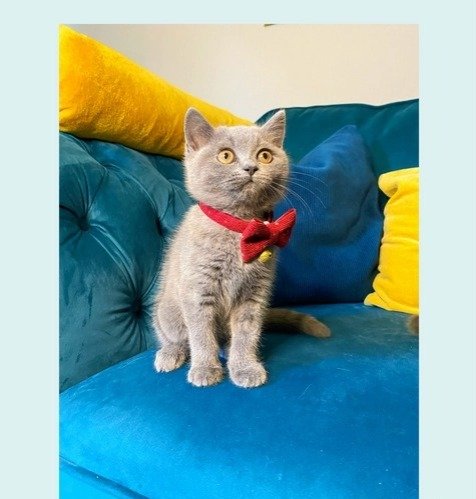
British Shorthair cats, renowned for their captivating charm and robust stature, have garnered a devoted following among feline enthusiasts across the globe. With their plush, dense coats and round faces, these cats exude a unique blend of regal elegance and playful affection. As their popularity continues to rise, American cat lovers are increasingly seeking out these exclusive breeds to bring a touch of British charm into their homes. In this article, we will explore the allure of British Shorthairs, guide you on finding reputable sources for purchasing them, and provide essential care tips to ensure a happy and healthy life for your new feline companion.
Introduction to British Shorthair Cats
British Shorthair cats are like the cozy tea shops of the feline world—inviting, charming, and oh-so-comfortable to be around. With their round faces and plush coats, they bring a touch of British elegance (and perhaps a hint of royalty) to any home. These delightful furballs are not just about looks; they have a rich history and a personality that makes them a favorite among cat enthusiasts.
History and Origins
The British Shorthair has a backstory that could rival a good period drama. Originating in Britain, these cats are descendants of the domestic cats brought over by the Romans in the first century AD. Over the years, they’ve been bred for their stocky build and gentle temperament. The breed truly gained popularity in the late 19th century, showcasing their charm in the first cat show held in London. So, not only do they have royal looks, but they also have a legacy to match!
Distinctive Traits and Characteristics
What sets the British Shorthair apart? Let’s start with that adorable round face, complete with chubby cheeks and a button-like nose—seriously, who can resist that? They sport a dense, plush coat that feels like touching a cloud (if clouds were made of coziness). Their robust build and muscular frame make them look like they could be the bodyguards of the feline world. Plus, with their gentle eyes and calm demeanor, these cats embody the quintessential British charm.
The Allure of British Charm
The British Shorthair isn’t just a pretty face; they’ve got personality for days! This breed has become a favorite for those looking for a loving companion without too much drama. With their laid-back approach to life, they bring a sense of tranquility to any household while still being playful enough to keep you entertained.
Personality and Temperament
Think of the British Shorthair as the reliable best friend who’s always up for a movie night (or a nap). They’re known for their easygoing nature, making them perfect companions for families and singles alike. These cats are social but not overly demanding, allowing them to maintain their independence while still enjoying human company. Plus, they have a knack for being calm and patient—qualities that make them excellent for households with kids or other pets.
Physical Appearance and Color Variations
Looking for a cat that can rock any look? The British Shorthair has got you covered! While the classic blue-gray coat is the most recognized, these cats come in various colors and patterns—think cream, black, white, and even tabby! Their round faces, stocky bodies, and plush coats create an irresistible combination that makes them a top choice for cat lovers everywhere.
Why Choose a British Shorthair?
Choosing a cat is like selecting a new best friend—it’s a big decision! Fortunately, when it comes to British Shorthairs, you know you’re signing up for a charming, loving, and relatively easy-going companion.
Compatibility with Families
British Shorthairs are like that one friend who gets along with everyone. Their gentle temperament makes them ideal for families with kids, as they are tolerant and enjoy a bit of playful interaction without getting too riled up. They can fit into busy households or quieter settings, adapting as needed while still sharing their delightful personality.
Low Maintenance Needs
If you’re looking for a cat that doesn’t require constant upkeep, the British Shorthair is practically a low-maintenance superstar. Their short, dense coat only needs occasional brushing to keep it looking its best, and they are generally healthy cats with fewer genetic issues. This means more cuddles and less time worrying about grooming—win-win!
Finding Exclusive British Shorthair Cats for Sale
Now that you’ve decided a British Shorthair is the purr-fect addition to your home, where do you find one? Thankfully, there are plenty of avenues to explore when hunting for these charming felines!
Online Marketplaces and Classifieds
The internet is your friend when searching for British Shorthair cats! Websites like Petfinder and local classifieds can connect you with reputable breeders and shelters. Just remember to do your homework—check reviews and ask for references to ensure you’re getting a healthy and happy kitty who’s ready to become your new best buddy.
Local Pet Shows and Exhibitions
If you want the full experience, head to a local pet show or cat exhibition! These events are not only fun to attend, but they also provide a fantastic opportunity to meet British Shorthairs up close and personal. You can interact with breeders, ask questions, and maybe even spot your future feline friend strutting their stuff in the show ring! So, grab your catnip and get ready for a day of feline fun!
Care and Maintenance of British Shorthairs
Feeding and Nutrition Tips
Feeding a British Shorthair is like ensuring a proper tea time—balance is key! These chunky beauties need a diet rich in high-quality protein to maintain their luscious coats and robust bodies. Aim for a mix of wet and dry food, ideally formulated for their age, weight, and lifestyle. And remember, while they may look like they could tackle a whole fish, portion control is important. Treats are okay, but let’s keep those kitty calories in check to prevent obesity!
Grooming and Hygiene Practices
British Shorthairs have a dense, plush coat that could make a cloud jealous. Luckily, grooming isn’t a full-time job! A weekly brush will help keep their fur looking pristine and minimize shedding. This breed is not particularly prone to matting, but the occasional fluff-off will help you bond while keeping your home hair-free. Don’t forget to check their ears and trim those nails too—you’ll want them to keep that classy demeanor!
Top Breeders and Adoption Resources in America
Reputable Breeders to Consider
If you’re on the hunt for a British Shorthair, look for breeders who prioritize health, temperament, and socialization. Notable ones include the Cat Fanciers’ Association (CFA) accredited breeders and those boasting stellar reviews from happy cat parents. Make sure to ask about health clearances and visit the cattery if possible; nothing beats meeting the fluff firsthand!
Adoption Shelters and Rescue Organizations
Adopting a British Shorthair can be as rewarding as a perfect cup of Earl Grey! Consider checking local rescue organizations or breed-specific rescues. Websites like Petfinder or Adopt-a-Pet are great places to start your search. Sometimes, you can find a delightful British Shorthair in need of a forever home, proving that love truly can come from unexpected places (like an adorable little furball at the shelter!).
Potential Health Considerations
Common Health Issues in British Shorthairs
Like any aristocrat, British Shorthairs can have their quirks. Be aware of common health issues such as hypertrophic cardiomyopathy (a heart condition), obesity, and dental problems. Regular vet check-ups can help catch these issues early, letting your cat lead a long, happy life. After all, we want our charming companions to strut around with royal poise, not spend their time at the vet!
Preventative Care and Regular Check-ups
Prevention is better than cure, especially when it comes to our fluffy friends. Schedule annual vet visits and keep up with vaccinations and dental check-ups. Invest in quality cat food and consider pet insurance—think of it as a safety net for those unexpected vet bills. Regular exercise is also crucial; let that kitty explore and play. Keeping them active helps ward off those nagging health issues and keeps their British charm on full display!
Conclusion: Embrace the British Shorthair Experience
Final Thoughts on Owning a British Shorthair
Owning a British Shorthair is like bringing a little royal charm into your home. With their loving demeanor, playful antics, and dignified attitude, they make fantastic companions. So, whether you’re sipping tea or just lounging around, your British Shorthair will be your steadfast sidekick, ready to add a dose of joy to your day.
Encouraging Responsible Ownership
Before you rush out to adopt or buy your very own British Shorthair, remember the importance of responsible ownership. Be prepared for the commitment of providing love, care, and a good chunk of your sofa space! Whether you’re adopting or purchasing, always prioritize the well-being of your new feline friend. After all, they might just end up ruling your roost!In conclusion, welcoming a British Shorthair into your home can be a rewarding experience filled with companionship and joy. By understanding their unique traits, finding reputable breeders or adoption resources, and providing proper care, you can ensure that your British Shorthair thrives in your loving environment. Embrace the charm and elegance of this remarkable breed, and enjoy the many moments of happiness they bring into your life.
Frequently Asked Questions
1. Are British Shorthair cats good with children and other pets?
Yes, British Shorthairs are known for their gentle and friendly temperament, making them great companions for children and other pets. Their easygoing nature allows them to adapt well to family dynamics.
2. How much do British Shorthair cats typically cost?
The price of British Shorthair cats can vary widely based on factors such as lineage, breeder reputation, and location. On average, you can expect to pay anywhere from $1,500 to $3,000 for a purebred British Shorthair.
3. What kind of grooming do British Shorthairs require?
British Shorthairs have dense coats that require regular grooming to prevent matting and reduce shedding. Weekly brushing is generally sufficient to keep their fur healthy and looking its best.
4. What health issues should I be aware of with British Shorthair cats?
While British Shorthairs are generally healthy, they can be prone to certain genetic conditions such as hypertrophic cardiomyopathy (a heart condition) and obesity. Regular veterinary check-ups and a balanced diet are essential for their well-being.